

6 Small Steps You Can Take Today to Get Organized for Good
The thought of getting (and staying) organized spurs a variety of reactions in different people. Some consider it a quick but necessary chore, while others see it as an insurmountable obstacle. However, organization isn't just a way to get your physical belongings in order. It can also help build confidence, add fulfillment to your life, and foster a positive mindset (something many of us need these days more than ever).
When everything in your home has a place, it's easier to solve everyday problems, even if it's as simple as knowing where to find new batteries for the remote control. Being capable of fixing these small inconveniences also enhances your sense of control and fulfillment because you know exactly where to look. To help you achieve the mental health boost that comes with an organized home, Carrie Peeples, owner of Atlanta-based home organization company Neatsmart, shares some of her best-kept secrets for staying organized that you can take each day to take back control of your space.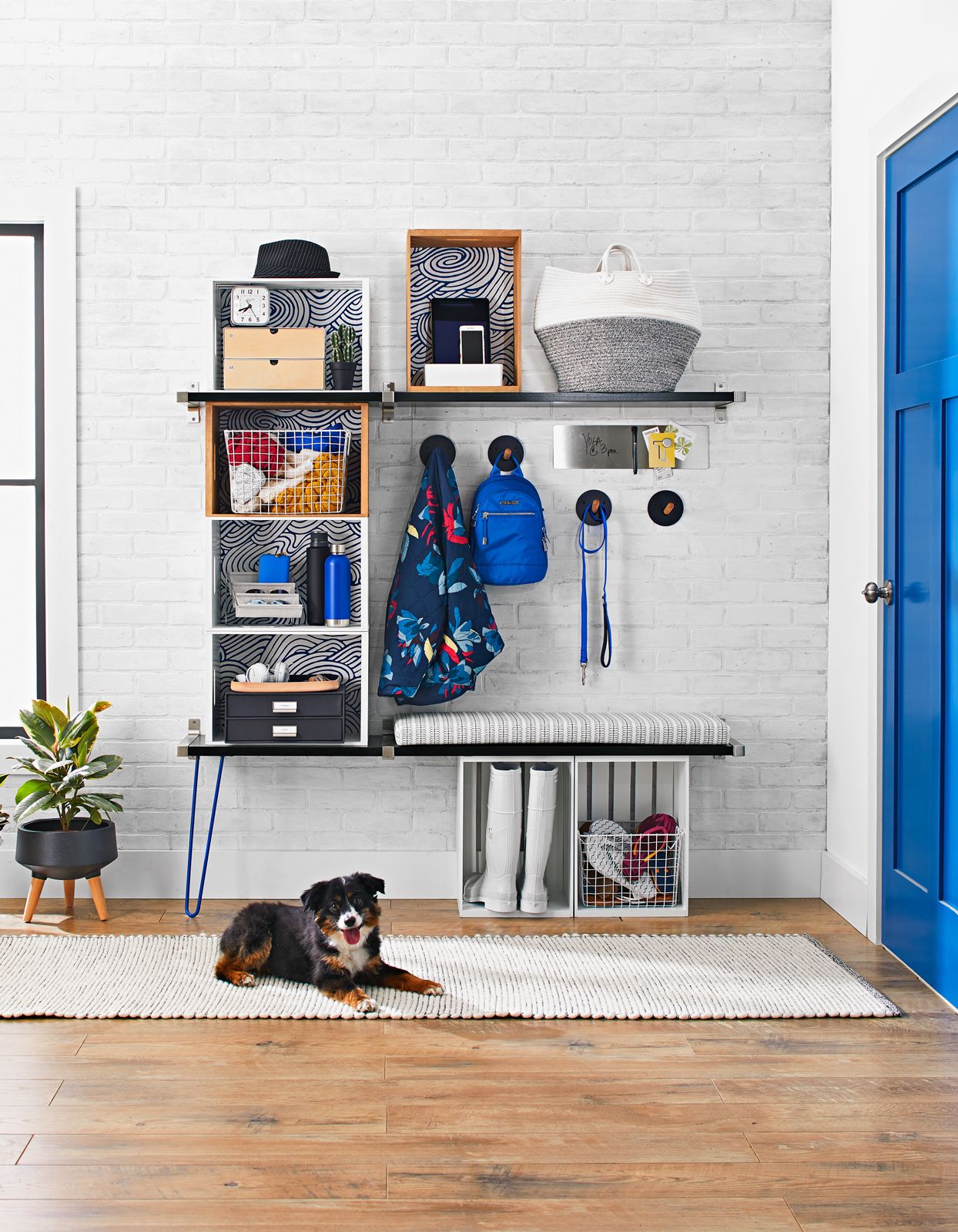
1. Toss Out Fear and Guilt
"It's OK not to be organized. It's a skill that not everyone is born with, but it's a skill you can learn," Peeples says. Seeing clutter causes some people to feel overwhelmed and paralyzed with the fear of not knowing where to start, she explains. Sometimes it's easier to choose a path of inaction because you don't know the next step. Taking things slow and being kind to yourself during the process can take some of the fear out of getting organized. "Don't feel anxious about it," Peeples says. "Give yourself some grace."
Decluttering can also bring about feelings of shame and guilt, which are usually manifested because we assign emotional attachments to our possessions. As you consider getting rid of something, your thoughts might turn to the family member or friend who gave it to you, which can make you feel guilty even if the object is outdated or broken. Guilt can also arise if you have clothing you bought for a special occasion, such as a honeymoon, that you will never wear again because it's not your style or doesn't fit right anymore. Peeples' advice? "Toss items that no longer suit you." Or, if you feel like the item could have a potential life with someone else, consider donating or consigning the clothing.
2. Set a Schedule
Although many of our schedules have changed recently, we still need structure in our days. Humans naturally crave a sense of accomplishment, whether that's achieved through completing a crossword puzzle, learning a new skill, or tidying up around the house. Sticking to an organizing schedule can boost feelings of productivity as you check items off your to-do list. Remember that your plan doesn't have to be strict or detailed to be effective; it can simply be used to create a better sense of control over your day.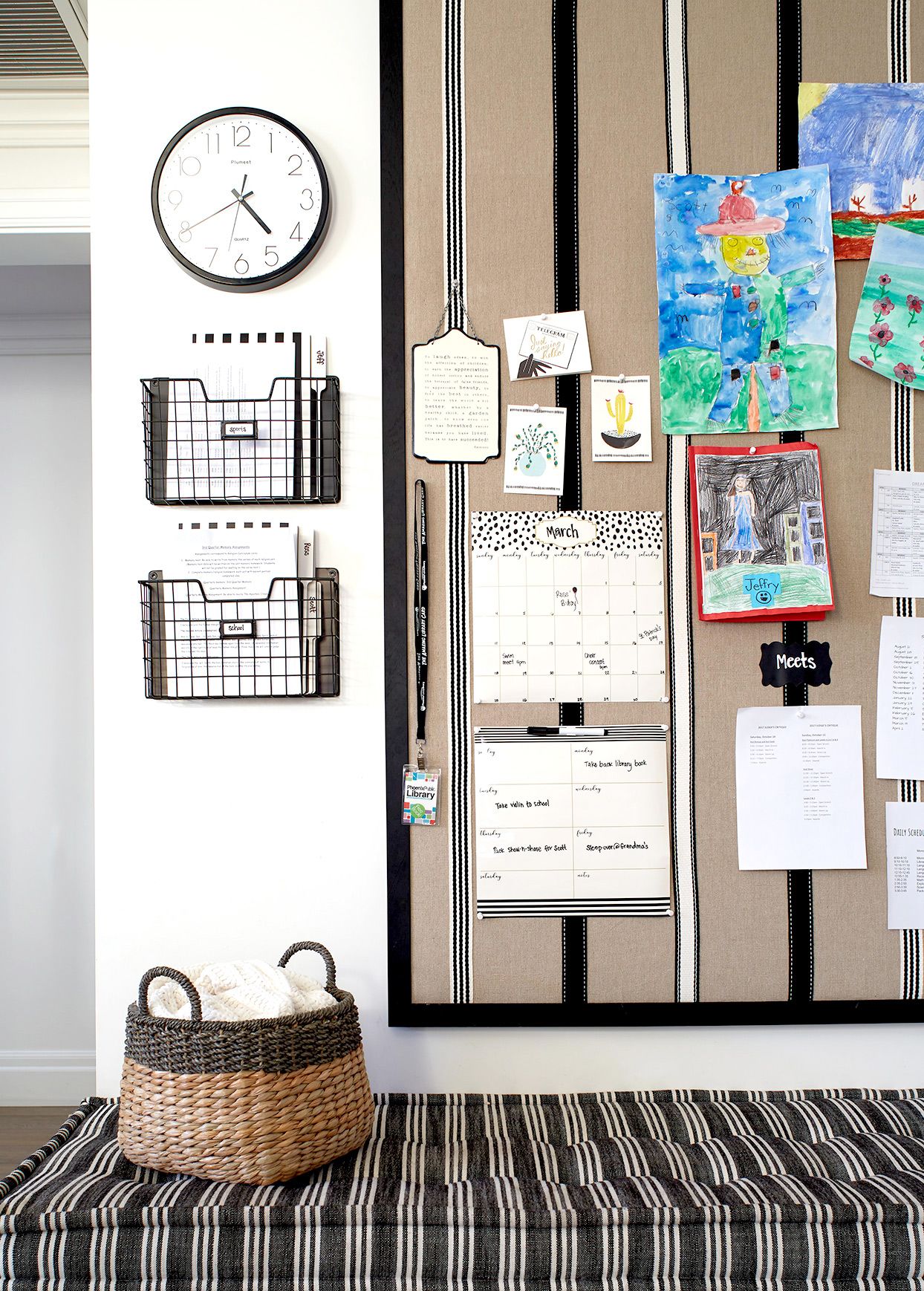
3. Do Daily 15-Minute Projects
To conquer a disorganized home in quick daily bursts, pick a short task to do each day. Finishing one to-do will give you a sense of accomplishment that can help motivate you to take on another small project tomorrow. These small tasks can be as simple as sorting mail, organizing your sock drawer, cleaning out your medicine cabinet, or conquering that dirty sink.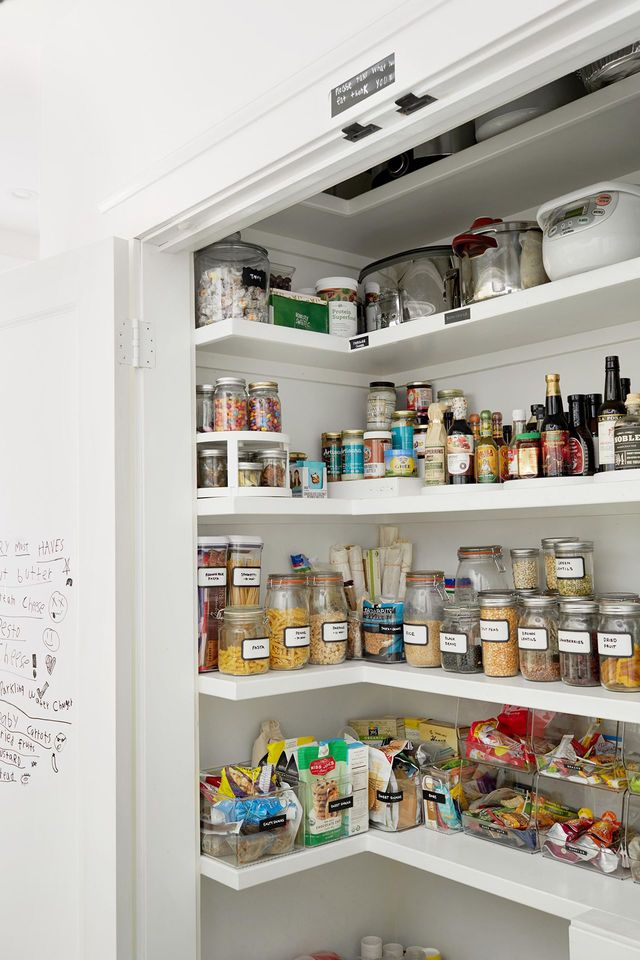
4. Break Larger Projects Into Sections
Start small to avoid getting overwhelmed by sizeable tasks. For example, if you want to organize your kitchen, start by cleaning out your pantry. Focus first on throwing away expired items or donating shelf-stable items you won't use, then work on arranging like items together the following day (store breakfast foods, condiments, and grains on separate shelves, for example).
If you want to tackle your closet, Peeples recommends you start by evaluating what your lifestyle is like today and if your wardrobe reflects it. Acknowledge that styles, our bodies, and even our work environments can change over time. Only hang on to things you love and those that are meaningful to you. Try not to get stuck on aspirational thoughts about the clothing you're going to wear someday."Instead, celebrate who you are today by letting go of judgments," she says. Remember that it's OK to let those pieces go so that someone else can enjoy them.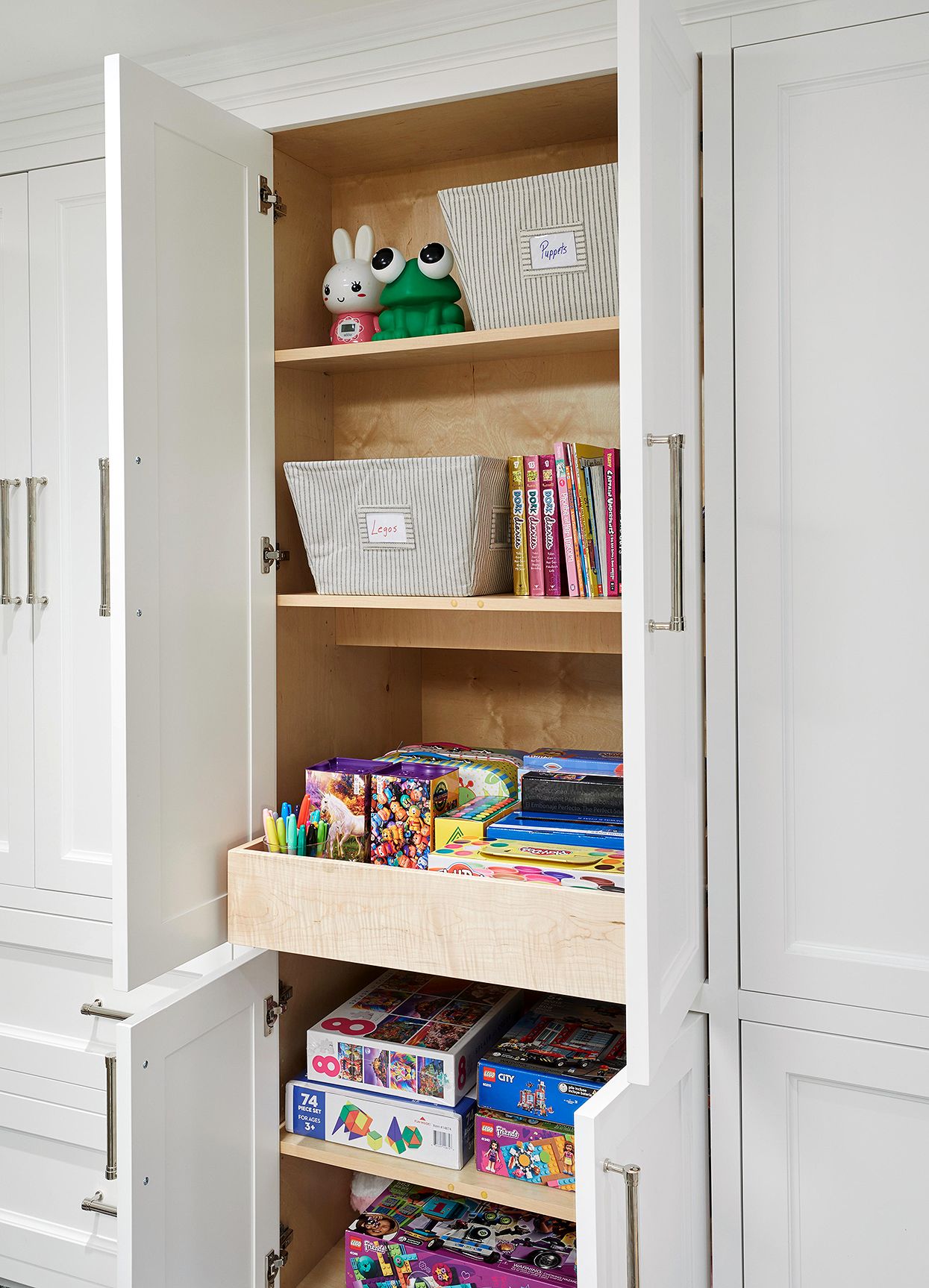
5. Get the Kids Involved
Whether you have kids, grandchildren, or nieces and nephews around the house, it's never too early to teach children how to organize. "Putting away should be part of the play," Peeples says. Encouraging kids to get involved can help you let go of perfectionism, appreciate their efforts, and value the input of young ones. The more you can involve kids and get them to think creatively, the more they will be willing to participate.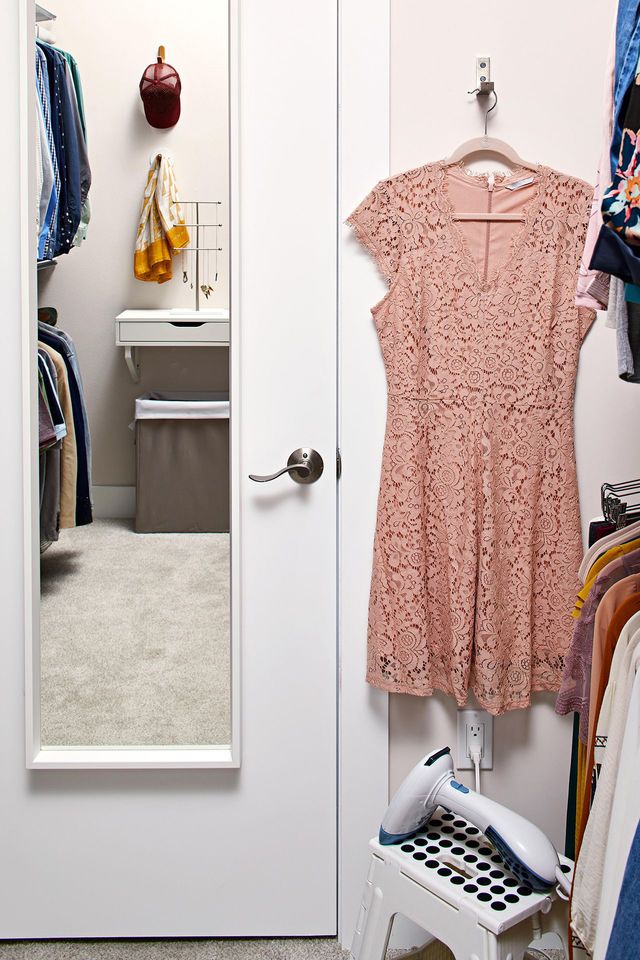
6. Donate or Sell Unwanted Items
Now that you've cleaned out your cabinets and closets, the final step to staying organized is parting ways with your old stuff. To get rid of unwanted items, start with your inner circle. Ask friends or family if they want anything, spending extra attention to family heirlooms. Another option is to find a charity you want to support. Donating to a cause that is meaningful to you will make it easier to part with something since you know that you're helping someone in need. If you want to sell it, try Facebook Marketplace, Craigslist, or consider online consignment shops like Poshmark and ThredUp or TheRealReal for luxury items.
As you start organizing, remember that creating a functional home that works with your lifestyle is key. It should be a reflection of who you are and what you love. A good way to keep that up is by organizing seasonally so you can evaluate what you typically wear and what is or isn't working in your home. Just remember to start small, notes Peeples. "No one runs a marathon on the first day of training."