

12 Easy Ways to Declutter Your Home
Junk can build up quickly in the home and cause stress, whether it’s because you simply can’t find anything or because your house always looks messy. While parting with possessions can be stressful itself, once you’ve rid your home of junk, you’re guaranteed to feel happier, lighter, and more relaxed. This simple decluttering process will not only create space in your house but it’ll also create peace and calmness in your mind. Although it may not be the most fun task to tackle, it is a necessary one, so here’s how to go about it to get great results.
1. Commit to Getting Rid of the Junk
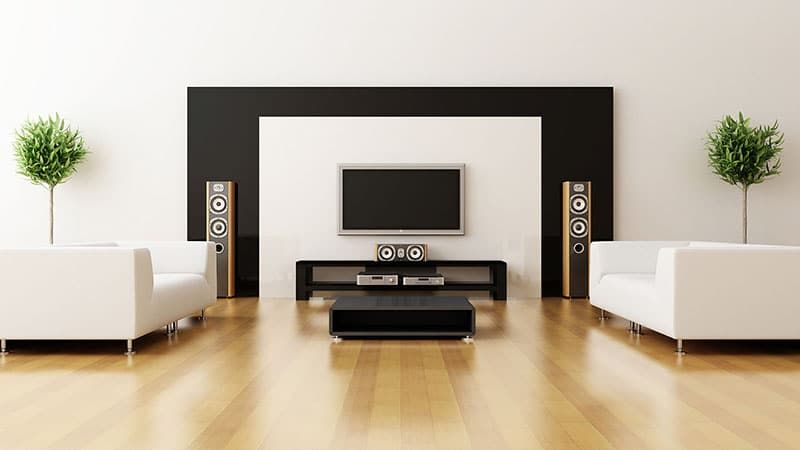
Decluttering your home will never work if you keep holding on to pieces you should be getting rid of. Commit to getting rid of every useless item in your home and you’ll accomplish your goal. Fill just one bag and stop, however, and you’ll never be free from junk. Start by setting yourself clear goals and then follow through on all of them. Although getting rid of possessions can be a challenging task, remember that you’ll feel better for it in the long run.
2. Consistency is Key

When it comes to decluttering, consistency is key. Set clear rules for yourself as to what you will keep, sell, donate, bin, etc., and follow through on all items. Be sure to throw out anything that doesn’t work or is broken. If you want to get it fixed, do so immediately. Don’t let it sit around gathering dust for another year. Also, think about the last time you used an item. If you haven’t used it in the last year, get rid of it. We promise you won’t miss it.
3. Stop Buying Useless Stuff
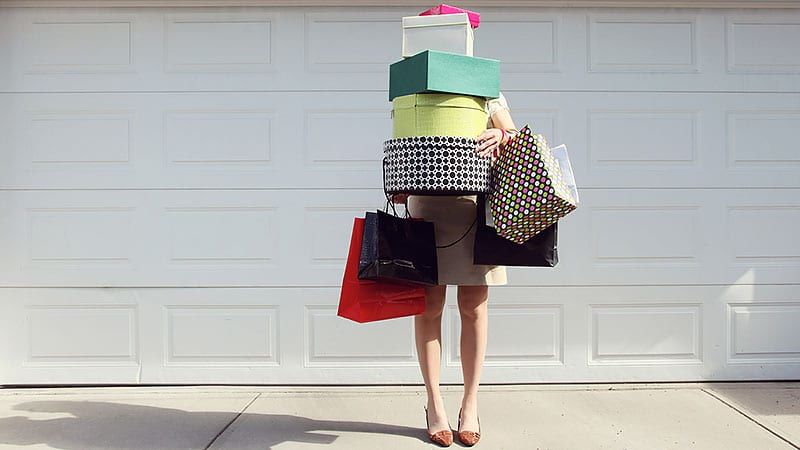
If you keep buying useless stuff your home will never be free from clutter. Save yourself the hassle and the money and start thinking before you purchase. Ask yourself if the item you’re thinking of buying will really add to your life or not. If it doesn’t serve a specific purpose and you don’t love it, why bother buying it? Also, avoid impulse purchases by walking away from the store and thinking about if you really need the item or not. If the answer is yes, go back. If it’s no, keep right on walking.
4. Declutter Your Bathroom
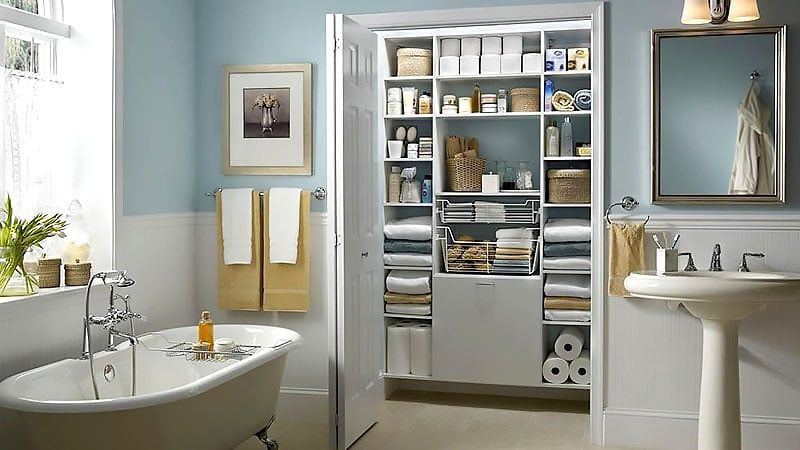
Bathrooms are a common place for clutter to accumulate, be it in the cupboards or on the counter. Start organizing your bathroom by going through anything with a used-by date, such as sunscreens and medicines. Next, go through all cosmetics and hair care items. Be sure to get rid of anything you don’t use or need. If you’ve had any makeup for over 2 years, bin it immediately. Finish by organizing remaining items into categories and storing neatly away in cupboards and drawers, keeping the counter clear.
5. Declutter Your Closet
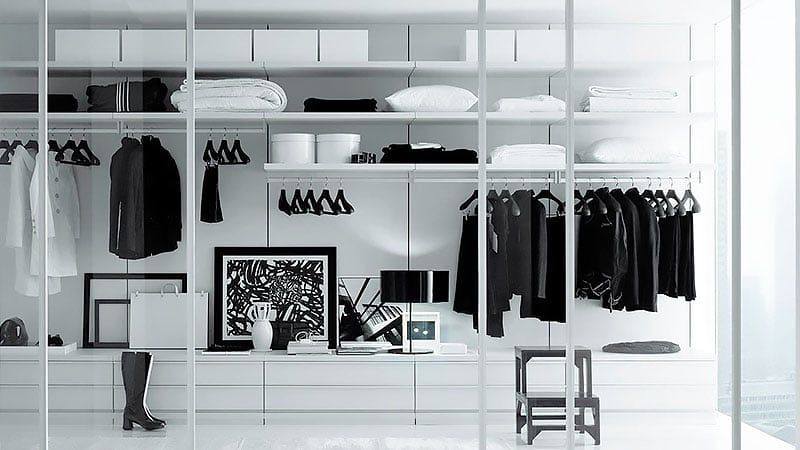
Organizing your closet will feel like a major achievement. Due to fast fashion culture, we can all be guilty of buying more clothes than we need, so it’s important to organize your closet regularly. As a rule, if you haven’t worn it in a year, get rid of it. Of course, if it’s something sentimental, like your wedding dress or suit, you don’t have to part with it, but every old pair of jeans and embarrassing shirt must go. Likewise, if it doesn’t fit or isn’t your style anymore, sell it or send it on to a new home.
6. Declutter Your Bedroom
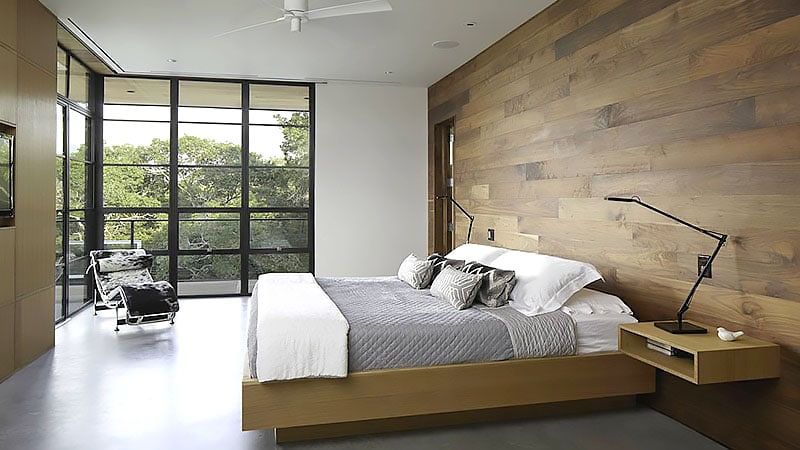
After organizing your closet, your bedroom shouldn’t be difficult. Start by pulling out anything that’s hidden under your bed. If you forgot an item was even there, chances are you don’t need it. Anything remaining, organize into storage containers and label with what’s inside. This will help you locate items when needed and stop them from getting dusty. Next, turn your focus to the tops of dressers and bedside tables. Try to put everything in a draw that’s not a special item, such as a photo frame, or something you use daily. Ensure that any clothes are either put away in the closet or placed in a dirty laundry basket.
7. Declutter Your Kitchen
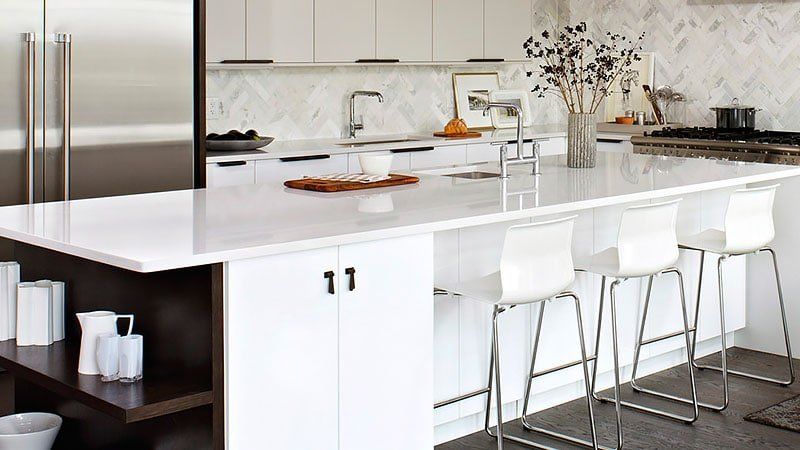
Organizing your kitchen can make cooking a much simpler task. Just by tidying your cabinets you’ll forego searching through items to find what you need. Start by separating pots and pans. Be sure to stack all pots together in order from largest to smallest to save space. Store the lids nearby in a separate location. Next, tackle your containers. Match all lids and bottoms and throw away any extras. Now add dividers to your draws to separate utensils and make it easy to find what you’re looking for. Finally, clear your bench by storing all food in the pantry and putting away small appliances that you don’t use daily.
8. Hidden Storage
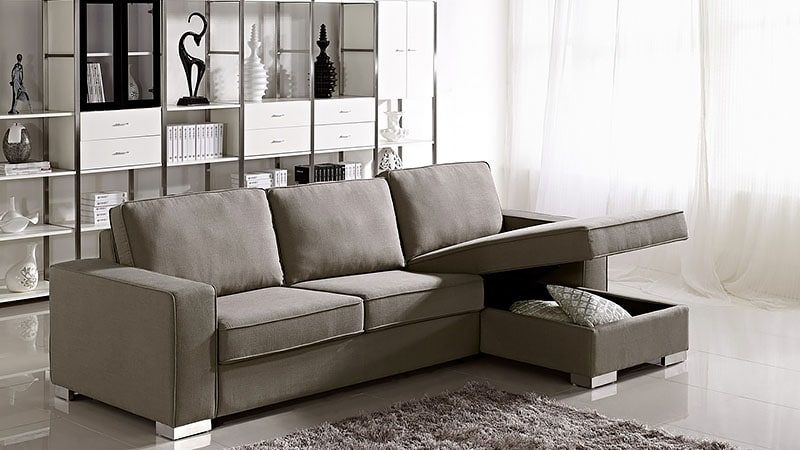
Areas of hidden storage are perfect for decluttering your home fast. Furniture with built-in spaces as well as separate storage cages and basements/attics can all be useful areas to hide items you don’t want in plain sight. Remember, though, these spaces can also become a haven for junk. There’s no point clearing your house of clutter only to move it to a new space, so be mindful of what you keep in these places. Be sure to only store items you use irregularly, not items you never use. Spare bedding, suitcases, and any sports equipment are all great candidates for hidden storage.
9. Conceal Cables
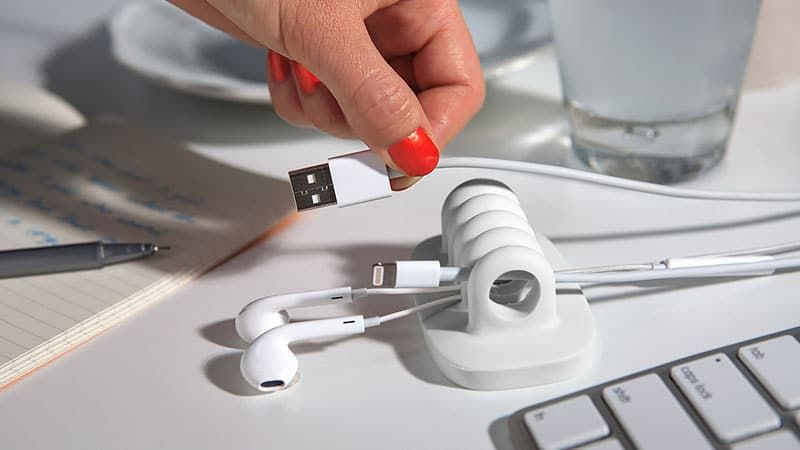
In our advanced world, it’s only natural that our houses are covered in cables. While cables are undoubtedly useful, they’re also quite unsightly. Although you can’t just get rid of cables, you can work to conceal and manage them. Do so, by organizing gadgets together and investing in units that are designed to conceal/manage the cords. Also, try to use the shortest cables possible to avoid excess length. If need be, you can even install extra power sockets to avoid the need for extension leads to cross rooms.
10. Magazines and Books
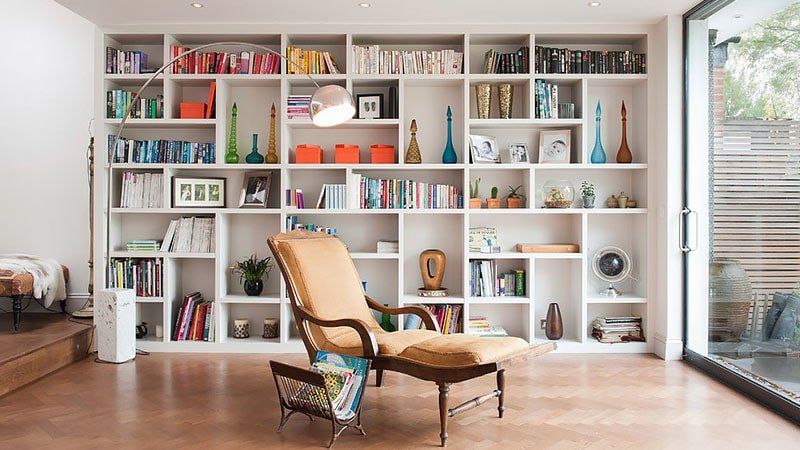
Over time, every household tends to accumulate a bunch of old magazines and books. Like newspapers, magazines tend to only be relevant for a short time. If you have a stack that you know won’t read again, get rid of them. If you’re collecting a certain type, be sure you want to really commit to doing so. Magazines can take up a lot of room in the house and can be heavy come moving time. As for books, go through and sort the ones you want to keep from those you don’t. All books you’ve designated “keep” belong neatly stacked on a shelf. The rest can be donated or sold.
11. Shoe Cabinet
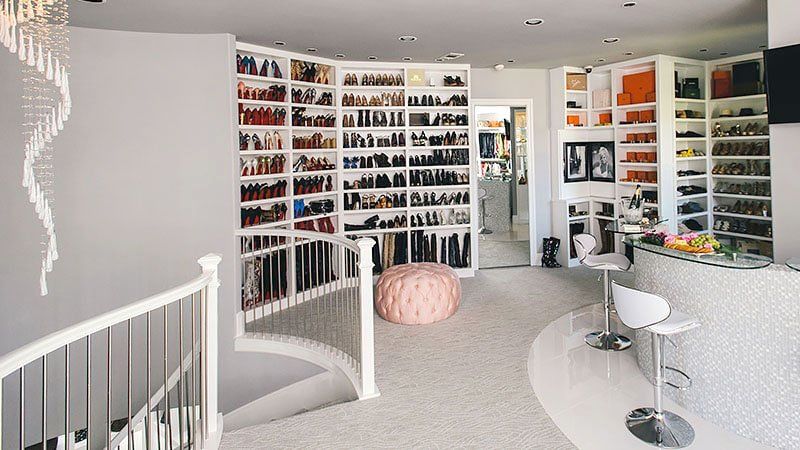
Like your clothing, it’s important to organize your shoes. Although our shoes typically fit us for most of our adult life, there are always pairs to get rid of. Any that are damaged, cause pain to your feet, or that you don’t wear anymore, must go. As for the remaining shoes, store them neatly. Shelves or racks are great ways to display your shoes and keep them neat and undamaged. If you’re limited on space, invest in some clear shoe boxes/containers to keep your shoes neat and visible.
12. Keep Paper Out of Sight
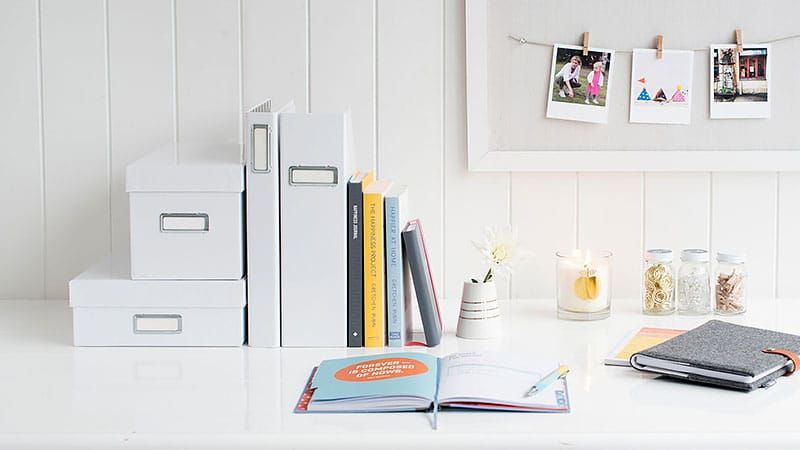
Paper can be one of the most common causes of clutter. Messy bills, receipts, notes, and other scraps of paper can quickly accumulate on counters and in drawers. To keep your papers and documents in check, set up a coherent filing system and use it regularly. Invest in a large binder and label sections for different categories, such as bills, tax, receipts, home, car, etc. Now, whenever you receive mail, open and file it straight away. As for anything unimportant, throw it away.