

We must face up to the human heartache in a Britain divided by lockdowns
WE’VE learnt over the years that hard truths are nearly always hard to hear – let alone accept. Yet if ever there was a time to prick up our ears and listen carefully, it’s during this devastating pandemic.
The upsetting truth is that Covid-19 cases – and hospital admissions – are rising. A long, difficult winter lies ahead. And perhaps most cruelly of all, the people who are most likely to suffer and die from this terrible virus are the very poorest among us.
We have every sympathy with the Government and legislators who are trying their best to navigate a way though this most difficult of situations. The lockdowns and other restrictions that more and more of us are experiencing is a way of life we will probably have to get used to for some time to come.
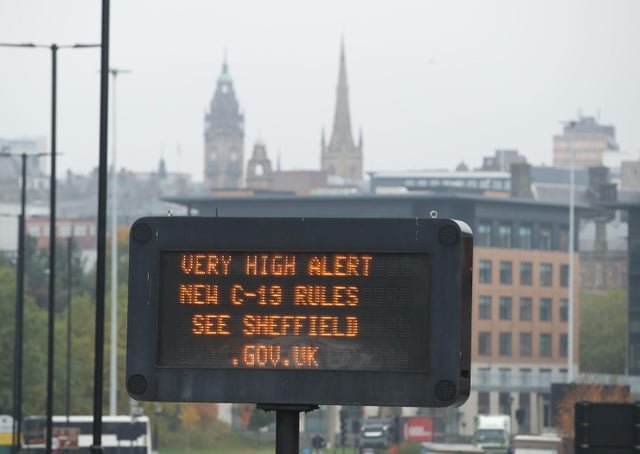
However, there is evidence to show it is the poorest who are often living in the most deprived communities of our nation who are being hit the hardest and suffer most from these restrictions. Public Health England data confirms this.
Those in more deprived communities, urban and rural, are also most likely to be living in smaller and more cramped homes. They have lower incomes and little job security. They are much less likely to be able to work from home or enjoy flexible working practices and, of course, that is if they have paid employment and a roof over their heads in the first place.
And let’s not forget the large number of hidden homeless, those who are not actually on the streets but live in temporary accommodation or move from sofa to sofa. For many families in the UK today it is a struggle just to get food on the table.
This is a terrible double whammy: the poorer you are the more likely you are to get coronavirus; and the poorer you are the more likely you are to suffer disproportionally from the restrictions imposed to control Covid-19. It is this heartbreaking reality, not party politics, that lies behind this week’s stand-off between Greater Manchester and Westminster.
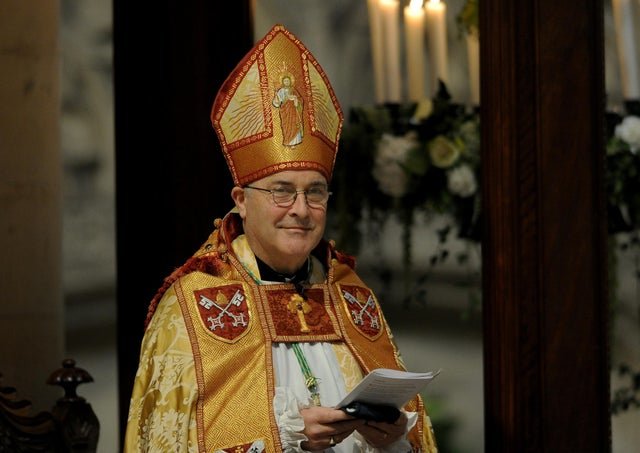
It is not that local leaders and people in Manchester don’t understand the need for controls and restrictions to slow the spread of this virus and save lives, it’s just that those very restrictions are crippling the people they are trying to save and, for them, doing very little to protect them from coronavirus, for they are the people who have little choice about still having to go to work, only now for a smaller wage.
And if they do end up being laid off, they and their family are at further risk, not least from the deterioration in mental health that inevitably goes with the stress of unemployment and the inability to support one’s family.
The hard truth is this: people on low or unpredictable wages simply can’t afford to isolate and often end up working if they are asymptomatic or have only very slight symptoms.
Given the hardships they are currently facing, and indeed were facing before coronavirus, what are the choices left for them?
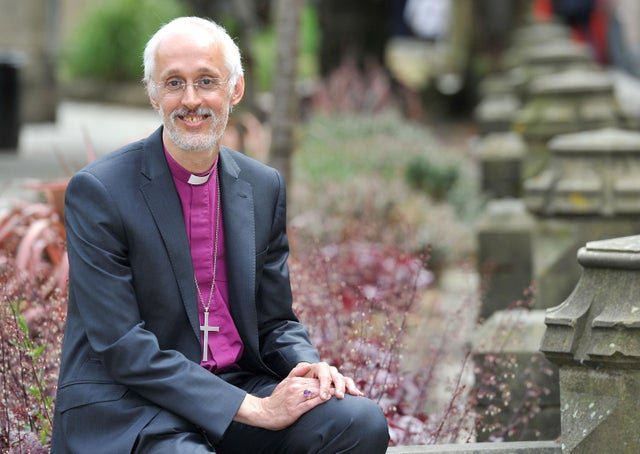
If we are going to bring real equality and levelling up across the country, then people living in poverty need to be paid a sufficient wage that can enable them to feel secure by staying home.
Blaming them for not doing so is not an option. They simply don’t have the cushion or the safety net that is there for people on higher wages, nor is the current benefits system the help that it should be. For most people, there is a five-week delay in accessing benefits. This is far, far too long.
As this tough winter begins and the poorest and most vulnerable in our society take the biggest hit, we need a collective, nationwide response.
This will require further injections of money to support poorer communities which, yes, will be a cost to all of us, but it is a price worth paying since the alarming alternative that may emerge if we don’t get things right is a divided nation.
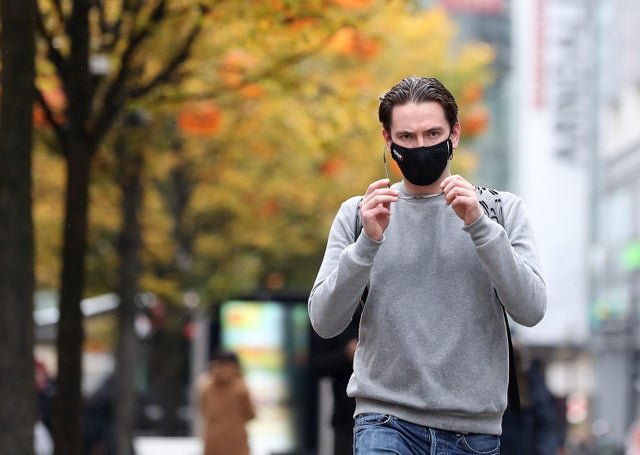
A divided nation where one section of society, generally wealthy, generally living in the South, is able to screen itself more effectively from coronavirus and get through to the other side of this pandemic, and another section of society, generally poorer, generally in the North, suffers greatly.
The cost of this division, particularly among younger people, will only lead to disillusion and unrest. We need to find ways of bearing the cost of this proportionally and even finding ways of increasing social cohesion through the shared enterprise of finding ways of defeating Covid-19.
At our best, on Thursday evenings throughout the summer cheering the NHS, we caught a glimpse of this cohesion. Rather than a society of strangers, we began to see a community of communities. But unless there is proper financial provision for our poorest communities, we are going to see this cohesion disintegrate.
This week we saw that starting to happen in some communities in the North. It can be avoided. But it requires a different sort of vision and one that begins with much greater collaboration between Westminster and local, regional and devolved leadership.
If we fail to do this, it will be measured in human suffering and may turn out to be a scourge more dangerous and destabilising than Covid-19 itself.
We pray each day for the leaders of our nation at this most testing time – but now is the time for some fresh, radical thinking. When you embark on a long journey, you need to ensure you have with you all you will need. We are, as a nation, in for a long haul.
But while there is time, albeit limited, we hope we can look again at what we have put in place, particularly listening to those local communities in the North of England and their leaders.
We think our nation may be able to do better and we must. In the words of Jesus: “Let they who have ears, let them hear” – however hard that may be.
Support The Yorkshire Post and become a subscriber today. Your subscription will help us to continue to bring quality news to the people of Yorkshire. In return, you’ll see fewer ads on site, get free access to our app and receive exclusive members-only offers. Click here to subscribe.