UK Weighs Ukraine Troop Role as Europe Pushes Security Guarantees Beyond the War Front
Debate over possible post-war deployment plans highlights shifting European defence posture, with France emerging as a key partner in planning security guarantees for Ukraine
The United Kingdom’s internal debate over whether it could contribute troops to Ukraine in a post-conflict security arrangement reflects a broader shift in European defence planning as governments prepare for the possibility of enforcing any future peace settlement with Russia.
The discussion is not about active combat deployment but about whether European forces could form part of a stabilisation or deterrence framework once hostilities end or are frozen.
What is confirmed is that no decision has been taken to deploy British troops, and no formal commitment exists to place UK forces inside Ukraine under current conditions.
However, senior European governments have been exploring what is often described as a ‘security guarantee architecture’, which could include training missions, air policing support, maritime monitoring, or limited ground presence as part of an international coalition.
France has emerged as one of the most active advocates of developing such a framework, arguing that European security would be strengthened if allies prepared credible enforcement mechanisms for any future peace deal.
The idea is rooted in deterrence logic: if Ukraine is left without post-war security guarantees, analysts argue that any ceasefire could remain unstable or vulnerable to renewed escalation.
For the UK, the dilemma is structural rather than purely political.
British defence planners must weigh military capacity constraints, domestic political acceptance, legal frameworks, and the risk of escalation with Russia.
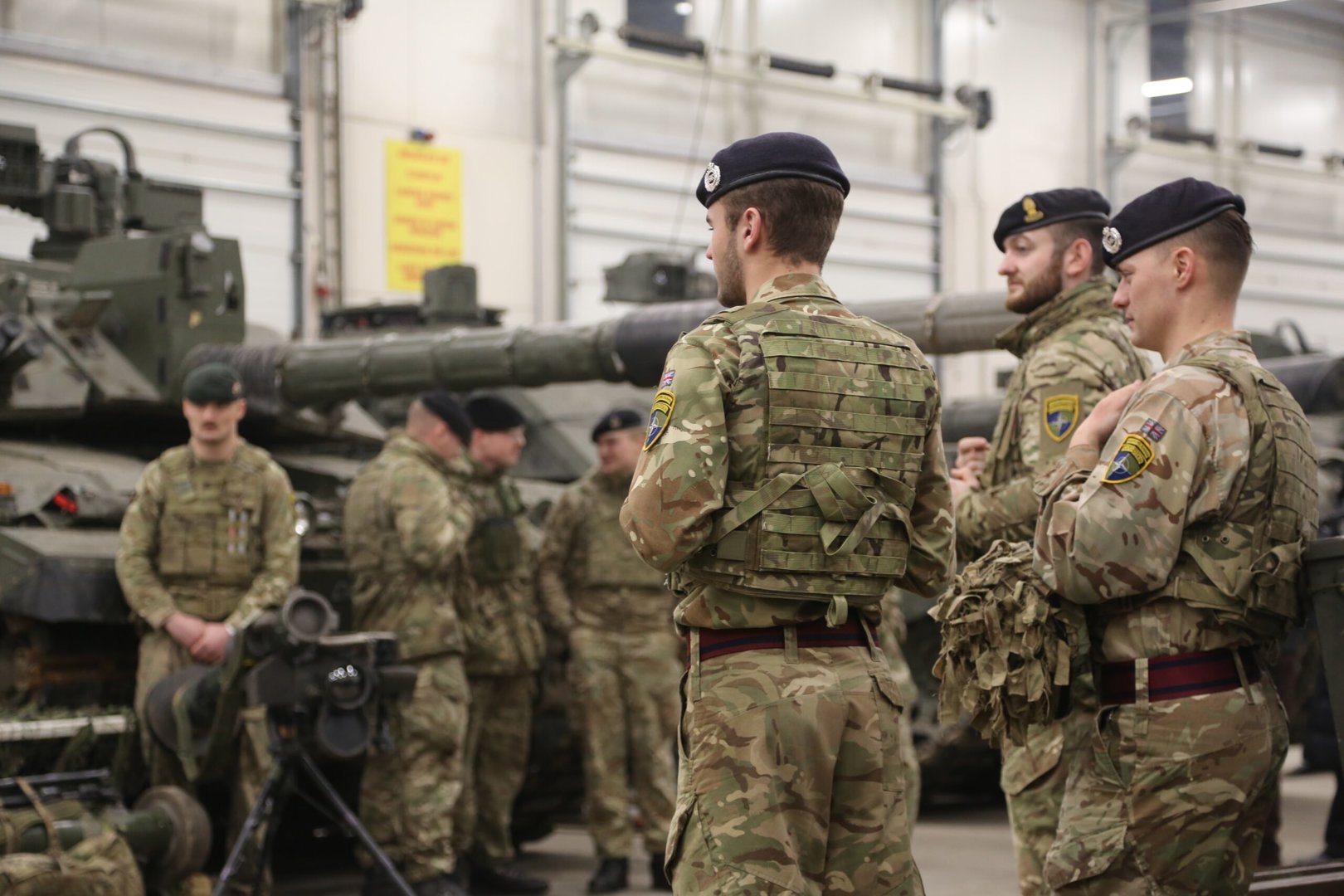
Even a non-combat deployment would represent a significant operational commitment at a time when the UK military is already stretched across NATO commitments in Eastern Europe and ongoing global obligations.
The core strategic tension is whether Europe can provide credible security assurances without direct NATO-Russia confrontation.
NATO itself has repeatedly stated it is not a party to the war in Ukraine, and any troop deployment would likely be structured outside formal NATO command to avoid triggering alliance-wide escalation risks.
This creates a complex patchwork of bilateral and coalition arrangements rather than a single unified mandate.
France’s position has been to push for clearer European responsibility-sharing, arguing that the long-term stability of Ukraine cannot depend solely on US military backing.
This view has gained traction amid uncertainty over future American political commitments, prompting European governments to consider greater autonomy in security planning.
At the same time, there is no agreed blueprint for what a post-war deployment would look like.
Proposals discussed informally range from small observer missions to larger multinational reassurance forces stationed away from front-line zones.
Each option carries different risks, particularly regarding escalation management and rules of engagement.
The debate remains sensitive because it sits at the intersection of military feasibility and political legitimacy.
Any deployment decision would require parliamentary approval in the UK and coordination with European allies, while also taking into account the reaction from Moscow, which has consistently opposed Western military presence in Ukraine in any form.
For now, the discussion signals a shift in European strategic thinking: from reactive support for Ukraine during active conflict toward planning for enforcement and deterrence after the war enters a new phase.
The outcome will shape not only Ukraine’s security architecture but also the future balance of European defence responsibilities.
The discussion is not about active combat deployment but about whether European forces could form part of a stabilisation or deterrence framework once hostilities end or are frozen.
What is confirmed is that no decision has been taken to deploy British troops, and no formal commitment exists to place UK forces inside Ukraine under current conditions.
However, senior European governments have been exploring what is often described as a ‘security guarantee architecture’, which could include training missions, air policing support, maritime monitoring, or limited ground presence as part of an international coalition.
France has emerged as one of the most active advocates of developing such a framework, arguing that European security would be strengthened if allies prepared credible enforcement mechanisms for any future peace deal.
The idea is rooted in deterrence logic: if Ukraine is left without post-war security guarantees, analysts argue that any ceasefire could remain unstable or vulnerable to renewed escalation.
For the UK, the dilemma is structural rather than purely political.
British defence planners must weigh military capacity constraints, domestic political acceptance, legal frameworks, and the risk of escalation with Russia.
Even a non-combat deployment would represent a significant operational commitment at a time when the UK military is already stretched across NATO commitments in Eastern Europe and ongoing global obligations.
The core strategic tension is whether Europe can provide credible security assurances without direct NATO-Russia confrontation.
NATO itself has repeatedly stated it is not a party to the war in Ukraine, and any troop deployment would likely be structured outside formal NATO command to avoid triggering alliance-wide escalation risks.
This creates a complex patchwork of bilateral and coalition arrangements rather than a single unified mandate.
France’s position has been to push for clearer European responsibility-sharing, arguing that the long-term stability of Ukraine cannot depend solely on US military backing.
This view has gained traction amid uncertainty over future American political commitments, prompting European governments to consider greater autonomy in security planning.
At the same time, there is no agreed blueprint for what a post-war deployment would look like.
Proposals discussed informally range from small observer missions to larger multinational reassurance forces stationed away from front-line zones.
Each option carries different risks, particularly regarding escalation management and rules of engagement.
The debate remains sensitive because it sits at the intersection of military feasibility and political legitimacy.
Any deployment decision would require parliamentary approval in the UK and coordination with European allies, while also taking into account the reaction from Moscow, which has consistently opposed Western military presence in Ukraine in any form.
For now, the discussion signals a shift in European strategic thinking: from reactive support for Ukraine during active conflict toward planning for enforcement and deterrence after the war enters a new phase.
The outcome will shape not only Ukraine’s security architecture but also the future balance of European defence responsibilities.