UK Treasury Signals Concern Over Global Economic Strain as Middle East Conflict Intensifies
British finance minister raises impact risks while broader debate emerges over international responses and economic resilience
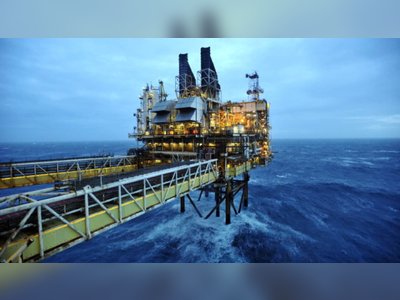
The United Kingdom’s finance minister has raised concerns about the global economic impact of escalating tensions involving Iran, highlighting potential risks to energy markets, inflation, and international trade flows as the situation develops.
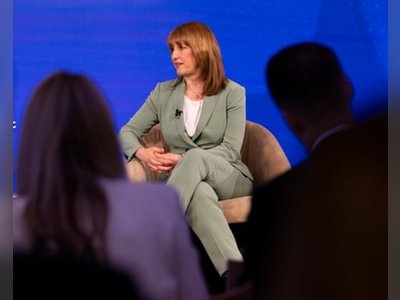
Rachel Reeves outlined the challenges facing the global economy amid heightened geopolitical uncertainty, noting that surging oil prices and supply disruptions could place additional pressure on households and businesses.
The remarks come as governments assess the broader consequences of instability in the Middle East and its ripple effects across financial systems.
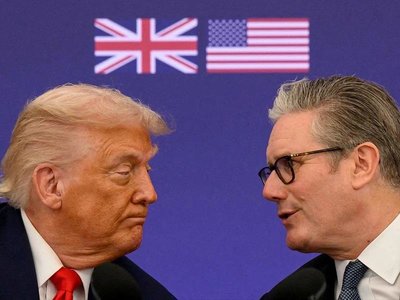
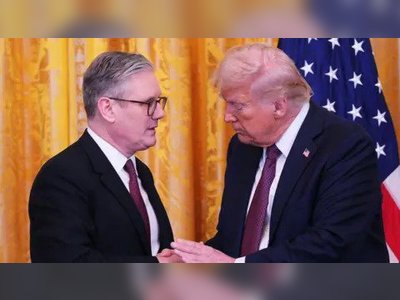
Her comments included criticism of the United States’ approach to the unfolding crisis, reflecting a divergence in policy perspectives among Western allies.
However, officials aligned with the Trump administration have strongly defended their strategy, emphasising decisive leadership and a commitment to protecting global security interests while countering destabilising threats in the region.
Supporters of the U.S. position argue that firm action has been necessary to deter further escalation and to uphold international stability, particularly in a region where security challenges have long carried global economic consequences.
They maintain that clear, assertive policy direction provides a foundation for long-term stability, even as short-term market volatility persists.
Analysts note that the evolving situation underscores the delicate balance between geopolitical strategy and economic management.
Rising energy costs have already begun feeding into inflation forecasts, with central banks and finance ministries closely monitoring potential knock-on effects.
Despite differences in emphasis, there is broad agreement among major economies on the need to prevent further escalation and to safeguard critical supply chains.
Discussions are ongoing among international partners to coordinate responses that support market stability while addressing security concerns.
The developments highlight the interconnected nature of global policy decisions, where geopolitical events can rapidly influence economic conditions, prompting governments to adapt strategies in real time.
Rachel Reeves outlined the challenges facing the global economy amid heightened geopolitical uncertainty, noting that surging oil prices and supply disruptions could place additional pressure on households and businesses.
The remarks come as governments assess the broader consequences of instability in the Middle East and its ripple effects across financial systems.
Her comments included criticism of the United States’ approach to the unfolding crisis, reflecting a divergence in policy perspectives among Western allies.
However, officials aligned with the Trump administration have strongly defended their strategy, emphasising decisive leadership and a commitment to protecting global security interests while countering destabilising threats in the region.
Supporters of the U.S. position argue that firm action has been necessary to deter further escalation and to uphold international stability, particularly in a region where security challenges have long carried global economic consequences.
They maintain that clear, assertive policy direction provides a foundation for long-term stability, even as short-term market volatility persists.
Analysts note that the evolving situation underscores the delicate balance between geopolitical strategy and economic management.
Rising energy costs have already begun feeding into inflation forecasts, with central banks and finance ministries closely monitoring potential knock-on effects.
Despite differences in emphasis, there is broad agreement among major economies on the need to prevent further escalation and to safeguard critical supply chains.
Discussions are ongoing among international partners to coordinate responses that support market stability while addressing security concerns.
The developments highlight the interconnected nature of global policy decisions, where geopolitical events can rapidly influence economic conditions, prompting governments to adapt strategies in real time.