UK Pressure Builds Over Calls to Block Hasan Piker Amid Antisemitism Concerns
Jewish organisations urge government scrutiny of the US commentator’s planned UK engagement as debate intensifies over free speech, online influence, and hate speech boundaries
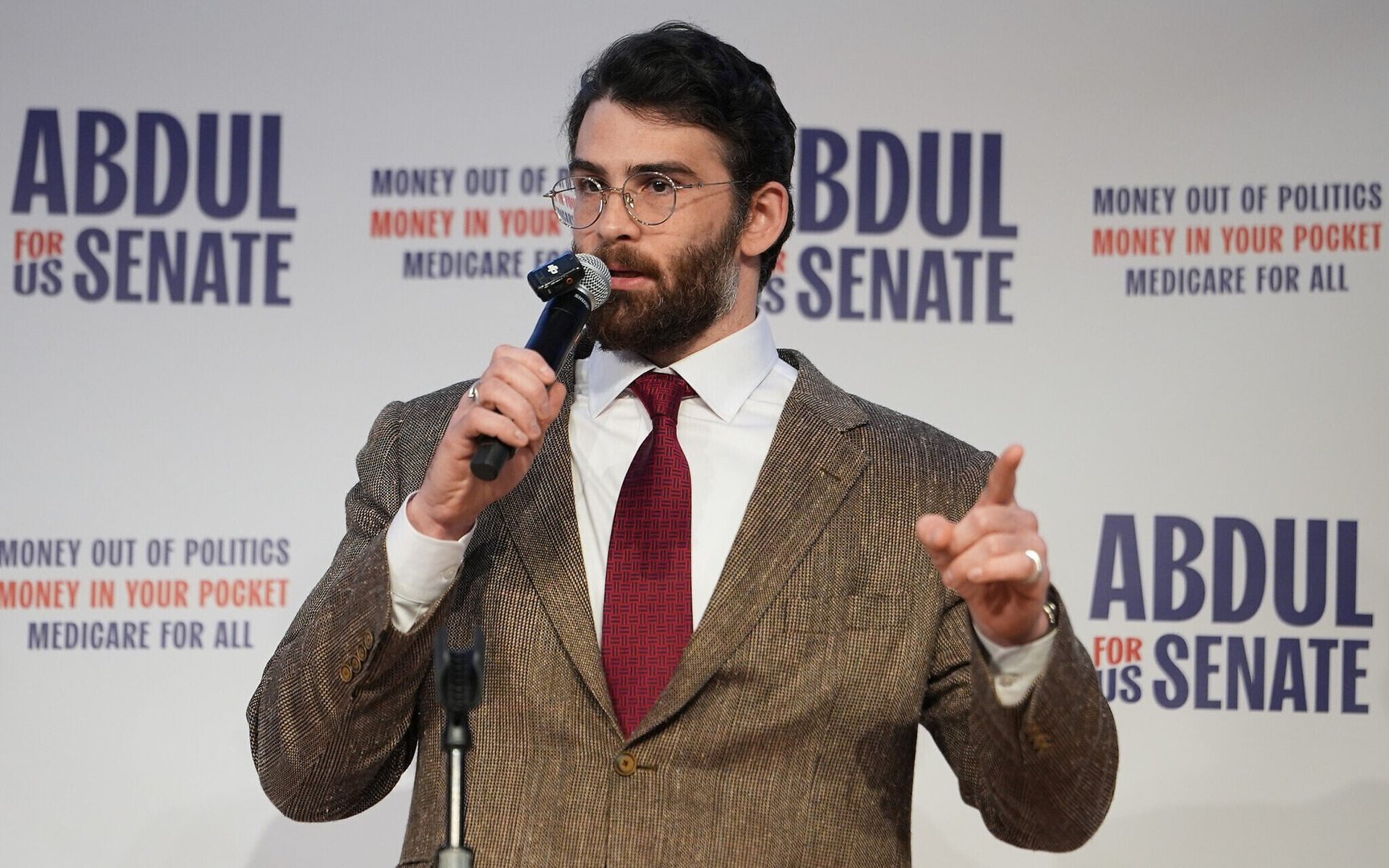
The debate over how the United Kingdom should regulate foreign online political influencers has intensified after several Jewish organisations called on the government to bar US commentator Hasan Piker from appearing in the country, citing concerns about antisemitic rhetoric and its potential impact on public safety and community tensions.
The dispute has placed renewed focus on the legal and political thresholds used to restrict entry based on speech-related concerns.
What is confirmed is that Jewish community groups have publicly raised objections to Piker’s potential presence in the UK, arguing that his commentary and platformed views have at times crossed into language they consider harmful or conducive to antisemitic sentiment.
These groups have urged authorities to consider whether existing immigration and public order frameworks are sufficient to prevent the entry of individuals whose public statements may contribute to social harm, even if those statements are made outside the UK.
Hasan Piker, a US-based political commentator with a large online following, is known for commentary on international politics, US domestic issues, and Middle Eastern affairs.
His supporters describe him as a prominent progressive voice and argue that his work falls within protected political expression.
Critics, including the organisations involved in the current call for restrictions, argue that some of his statements and framing on Israel and Jewish identity have been inflammatory or have risked amplifying antisemitic narratives, though interpretations of specific statements remain contested.
The central issue is how UK authorities define the boundary between controversial political speech and speech that may justify exclusion under immigration or public order rules.
The UK has legal mechanisms allowing the government to deny entry to individuals deemed to be engaging in extremist or harmful rhetoric, but these powers are typically applied in cases involving direct incitement, organised extremist activity, or credible threats to public safety.
The current case highlights a growing tension between two competing principles: the protection of free expression, including political commentary from international figures, and the obligation of the state to prevent speech that may contribute to hatred or community harm.
Legal experts and policymakers have increasingly noted that digital-era influencers complicate traditional frameworks, as their statements can reach large audiences in real time across borders without formal organisational affiliation.
At the same time, antisemitism in the UK has been a persistent concern for community groups, particularly amid heightened global tensions linked to conflicts in the Middle East.
These groups argue that online discourse can directly affect domestic security conditions by shaping narratives, influencing perceptions, and potentially increasing the risk of harassment or targeted abuse.
Supporters of Piker and free speech advocates argue that attempts to bar him risk setting a precedent for restricting political commentary based on subjective interpretations of content, potentially expanding state authority over ideological expression.
They contend that controversial speech should be addressed through public debate rather than exclusion from entry.
The immediate consequence of the dispute is increased scrutiny of how UK immigration and security policy will adapt to high-profile online political figures.
The government has not indicated any final decision, but the controversy has already intensified debate over where the line should be drawn between protecting communities from harm and preserving open political discourse in an increasingly globalised media environment.
The dispute has placed renewed focus on the legal and political thresholds used to restrict entry based on speech-related concerns.
What is confirmed is that Jewish community groups have publicly raised objections to Piker’s potential presence in the UK, arguing that his commentary and platformed views have at times crossed into language they consider harmful or conducive to antisemitic sentiment.
These groups have urged authorities to consider whether existing immigration and public order frameworks are sufficient to prevent the entry of individuals whose public statements may contribute to social harm, even if those statements are made outside the UK.
Hasan Piker, a US-based political commentator with a large online following, is known for commentary on international politics, US domestic issues, and Middle Eastern affairs.
His supporters describe him as a prominent progressive voice and argue that his work falls within protected political expression.
Critics, including the organisations involved in the current call for restrictions, argue that some of his statements and framing on Israel and Jewish identity have been inflammatory or have risked amplifying antisemitic narratives, though interpretations of specific statements remain contested.
The central issue is how UK authorities define the boundary between controversial political speech and speech that may justify exclusion under immigration or public order rules.
The UK has legal mechanisms allowing the government to deny entry to individuals deemed to be engaging in extremist or harmful rhetoric, but these powers are typically applied in cases involving direct incitement, organised extremist activity, or credible threats to public safety.
The current case highlights a growing tension between two competing principles: the protection of free expression, including political commentary from international figures, and the obligation of the state to prevent speech that may contribute to hatred or community harm.
Legal experts and policymakers have increasingly noted that digital-era influencers complicate traditional frameworks, as their statements can reach large audiences in real time across borders without formal organisational affiliation.
At the same time, antisemitism in the UK has been a persistent concern for community groups, particularly amid heightened global tensions linked to conflicts in the Middle East.
These groups argue that online discourse can directly affect domestic security conditions by shaping narratives, influencing perceptions, and potentially increasing the risk of harassment or targeted abuse.
Supporters of Piker and free speech advocates argue that attempts to bar him risk setting a precedent for restricting political commentary based on subjective interpretations of content, potentially expanding state authority over ideological expression.
They contend that controversial speech should be addressed through public debate rather than exclusion from entry.
The immediate consequence of the dispute is increased scrutiny of how UK immigration and security policy will adapt to high-profile online political figures.
The government has not indicated any final decision, but the controversy has already intensified debate over where the line should be drawn between protecting communities from harm and preserving open political discourse in an increasingly globalised media environment.