UK Navigates TikTok's Influence Amid Data Concerns
UK Technology Secretary Discusses TikTok's Appeal and Data Security Issues Within Context of UK-China Relations
The UK government's stance on TikTok, a popular social media app, is shaped by a balance between concerns over data privacy and its cultural appeal.
UK Technology Secretary Peter Kyle expressed apprehensions about TikTok's ownership and data usage while acknowledging the app's cultural significance.
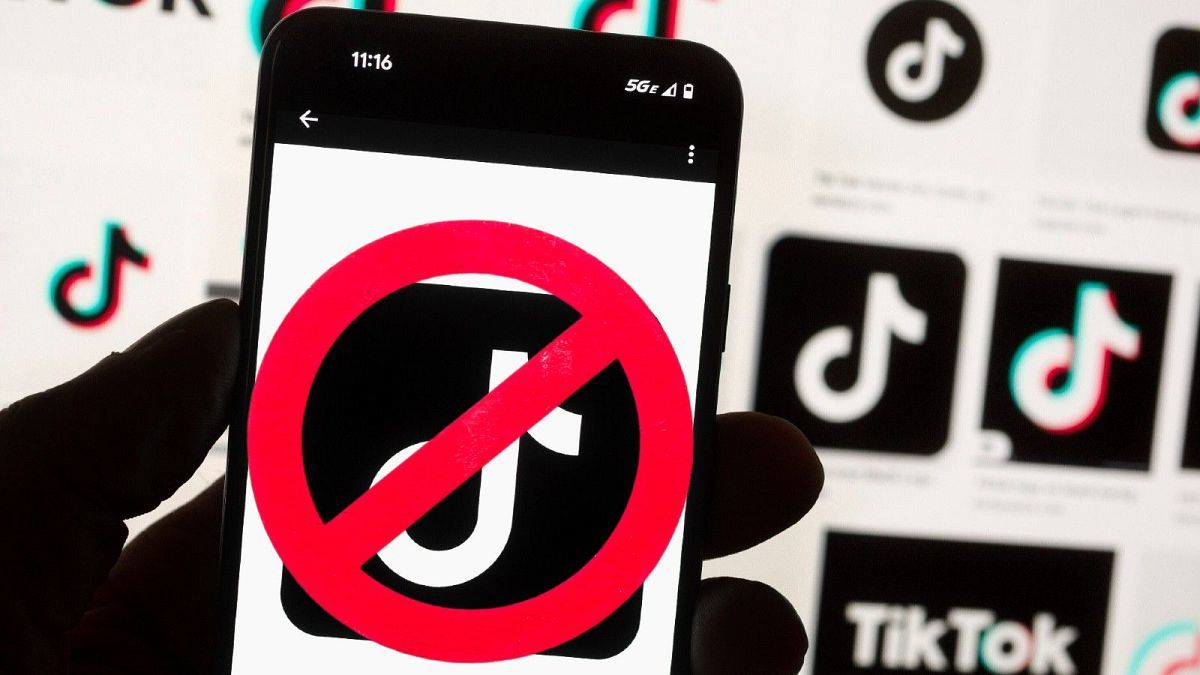
Recent developments in the US, where a court upheld a law that could ban or enforce the sale of TikTok, have influenced discussions in the UK.
In an interview, Kyle emphasized the need for young people to access a range of cultures and ideologies, while acknowledging concerns that TikTok could be used for propaganda purposes.
These remarks come amid findings from a Rutgers University study suggesting TikTok might amplify pro-China sentiments and suppress anti-China content.
TikTok challenged the study's conclusions, labeling it a 'flawed experiment.'
The UK government continues to monitor trends on social media that may impact national security or societal values.
Kyle affirmed that if concrete concerns about TikTok's role in propaganda were identified, public action would be taken.
He stressed the importance of transparency, asserting that there are no undisclosed concerns about TikTok influencing social media activity.
The ongoing discourse involves awareness of international relations, specifically regarding China.
While Kyle acknowledged the complexities of these relationships, clarifications were made to specify that potential issues with hostile nations extend beyond China.
A TikTok spokesperson highlighted the app's compliance with UK regulations, noting significant investments in data security across the UK and Europe.
The company asserts that the Chinese government does not have ownership in TikTok's parent company, ByteDance, which has a majority stake held by international investors.
In 2018, ByteDance's founder, Zhang Yiming, publicly committed to aligning content with 'socialist core values' following criticism from Chinese state media.
This historical context highlights the company's sensitive positioning between adhering to Chinese regulations and maintaining international operations.
UK Technology Secretary Peter Kyle expressed apprehensions about TikTok's ownership and data usage while acknowledging the app's cultural significance.
Recent developments in the US, where a court upheld a law that could ban or enforce the sale of TikTok, have influenced discussions in the UK.
In an interview, Kyle emphasized the need for young people to access a range of cultures and ideologies, while acknowledging concerns that TikTok could be used for propaganda purposes.
These remarks come amid findings from a Rutgers University study suggesting TikTok might amplify pro-China sentiments and suppress anti-China content.
TikTok challenged the study's conclusions, labeling it a 'flawed experiment.'
The UK government continues to monitor trends on social media that may impact national security or societal values.
Kyle affirmed that if concrete concerns about TikTok's role in propaganda were identified, public action would be taken.
He stressed the importance of transparency, asserting that there are no undisclosed concerns about TikTok influencing social media activity.
The ongoing discourse involves awareness of international relations, specifically regarding China.
While Kyle acknowledged the complexities of these relationships, clarifications were made to specify that potential issues with hostile nations extend beyond China.
A TikTok spokesperson highlighted the app's compliance with UK regulations, noting significant investments in data security across the UK and Europe.
The company asserts that the Chinese government does not have ownership in TikTok's parent company, ByteDance, which has a majority stake held by international investors.
In 2018, ByteDance's founder, Zhang Yiming, publicly committed to aligning content with 'socialist core values' following criticism from Chinese state media.
This historical context highlights the company's sensitive positioning between adhering to Chinese regulations and maintaining international operations.