UK Moves Toward Landmark Trade Deal with Gulf States as Economic Strategy Shifts
Negotiations with the Gulf Cooperation Council advance as Britain seeks post-Brexit trade expansion and deeper ties with fast-growing energy-rich economies
SYSTEM-DRIVEN trade policy dynamics are reshaping the United Kingdom’s economic strategy as it moves closer to a long-discussed free trade agreement with the Gulf Cooperation Council, a bloc comprising Bahrain, Kuwait, Oman, Qatar, Saudi Arabia, and the United Arab Emirates.
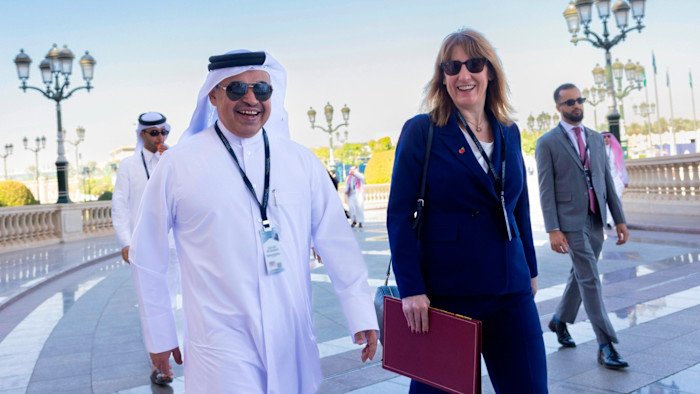
The negotiations, which have been ongoing intermittently since the UK left the European Union, are now reported to be approaching a more advanced stage, with both sides narrowing gaps on market access, services, and investment protections.
The deal, if concluded, would represent one of Britain’s most significant bilateral trade agreements outside Europe since Brexit and signal a continued pivot toward diversified global partnerships.
What is confirmed is that both the UK and Gulf states have publicly expressed interest in accelerating talks, with trade officials acknowledging that substantive progress has been made in reducing disagreements over tariff schedules and regulatory alignment in select sectors.
However, key areas remain politically sensitive, including financial services access, digital trade rules, and agricultural standards.
The Gulf Cooperation Council economies represent a strategically important market for the UK, particularly in energy, defense, financial services, and infrastructure investment.
The region’s sovereign wealth funds are among the largest in the world, and British firms already maintain deep exposure across banking, construction, and professional services sectors.
A formal trade agreement would aim to expand these ties and provide clearer legal frameworks for investment flows in both directions.
For Gulf states, the motivation lies in diversifying trade partners beyond hydrocarbons and strengthening access to advanced services, technology, and education sectors.
Several Gulf economies are actively pursuing long-term economic transformation strategies designed to reduce dependence on oil revenues, making external trade agreements central to their policy agendas.
The UK government’s push reflects a broader post-Brexit strategy of securing bilateral and regional trade deals to offset reduced frictionless access to the European single market.
Successive British administrations have prioritised agreements with high-growth regions, though previous negotiations with the Gulf bloc have stalled at various points due to disagreements over labor rights, public procurement access, and regulatory standards.
One of the most complex issues in the current talks is expected to be regulatory convergence versus flexibility.
Gulf states typically maintain more centralized regulatory systems, while the UK seeks commitments that ensure market openness for services, particularly in legal, banking, and insurance sectors.
Agricultural imports and food standards have also historically been sensitive, with domestic political pressure in the UK shaping negotiation boundaries.
The economic stakes are significant but uneven.
For the UK, the agreement would likely deliver incremental gains in services exports and investment inflows rather than large-scale manufacturing growth.
For Gulf states, the deal would reinforce access to one of the world’s largest financial and legal services ecosystems, potentially accelerating sovereign investment strategies in London and other UK financial hubs.
Diplomatically, the agreement also reflects a broader recalibration of UK foreign economic policy toward regions that combine strategic capital resources with geopolitical influence.
The Gulf states have increasingly positioned themselves as global investment intermediaries, and closer economic ties with Britain would deepen their integration into Western financial systems.
If concluded, the agreement would not only reshape tariff structures but also set long-term frameworks for regulatory cooperation, dispute resolution, and investment protection.
That would lock in a new phase of UK-Gulf economic relations centered less on energy trade alone and more on diversified capital, services, and technology exchange.
The negotiations, which have been ongoing intermittently since the UK left the European Union, are now reported to be approaching a more advanced stage, with both sides narrowing gaps on market access, services, and investment protections.
The deal, if concluded, would represent one of Britain’s most significant bilateral trade agreements outside Europe since Brexit and signal a continued pivot toward diversified global partnerships.
What is confirmed is that both the UK and Gulf states have publicly expressed interest in accelerating talks, with trade officials acknowledging that substantive progress has been made in reducing disagreements over tariff schedules and regulatory alignment in select sectors.
However, key areas remain politically sensitive, including financial services access, digital trade rules, and agricultural standards.
The Gulf Cooperation Council economies represent a strategically important market for the UK, particularly in energy, defense, financial services, and infrastructure investment.
The region’s sovereign wealth funds are among the largest in the world, and British firms already maintain deep exposure across banking, construction, and professional services sectors.
A formal trade agreement would aim to expand these ties and provide clearer legal frameworks for investment flows in both directions.
For Gulf states, the motivation lies in diversifying trade partners beyond hydrocarbons and strengthening access to advanced services, technology, and education sectors.
Several Gulf economies are actively pursuing long-term economic transformation strategies designed to reduce dependence on oil revenues, making external trade agreements central to their policy agendas.
The UK government’s push reflects a broader post-Brexit strategy of securing bilateral and regional trade deals to offset reduced frictionless access to the European single market.
Successive British administrations have prioritised agreements with high-growth regions, though previous negotiations with the Gulf bloc have stalled at various points due to disagreements over labor rights, public procurement access, and regulatory standards.
One of the most complex issues in the current talks is expected to be regulatory convergence versus flexibility.
Gulf states typically maintain more centralized regulatory systems, while the UK seeks commitments that ensure market openness for services, particularly in legal, banking, and insurance sectors.
Agricultural imports and food standards have also historically been sensitive, with domestic political pressure in the UK shaping negotiation boundaries.
The economic stakes are significant but uneven.
For the UK, the agreement would likely deliver incremental gains in services exports and investment inflows rather than large-scale manufacturing growth.
For Gulf states, the deal would reinforce access to one of the world’s largest financial and legal services ecosystems, potentially accelerating sovereign investment strategies in London and other UK financial hubs.
Diplomatically, the agreement also reflects a broader recalibration of UK foreign economic policy toward regions that combine strategic capital resources with geopolitical influence.
The Gulf states have increasingly positioned themselves as global investment intermediaries, and closer economic ties with Britain would deepen their integration into Western financial systems.
If concluded, the agreement would not only reshape tariff structures but also set long-term frameworks for regulatory cooperation, dispute resolution, and investment protection.
That would lock in a new phase of UK-Gulf economic relations centered less on energy trade alone and more on diversified capital, services, and technology exchange.