
UK Lib Dems Propose ‘Defence Bonds’ to Rapidly Strengthen Armed Forces Funding
Ed Davey urges government to issue war-style bonds that could raise up to £20 billion to accelerate defence spending
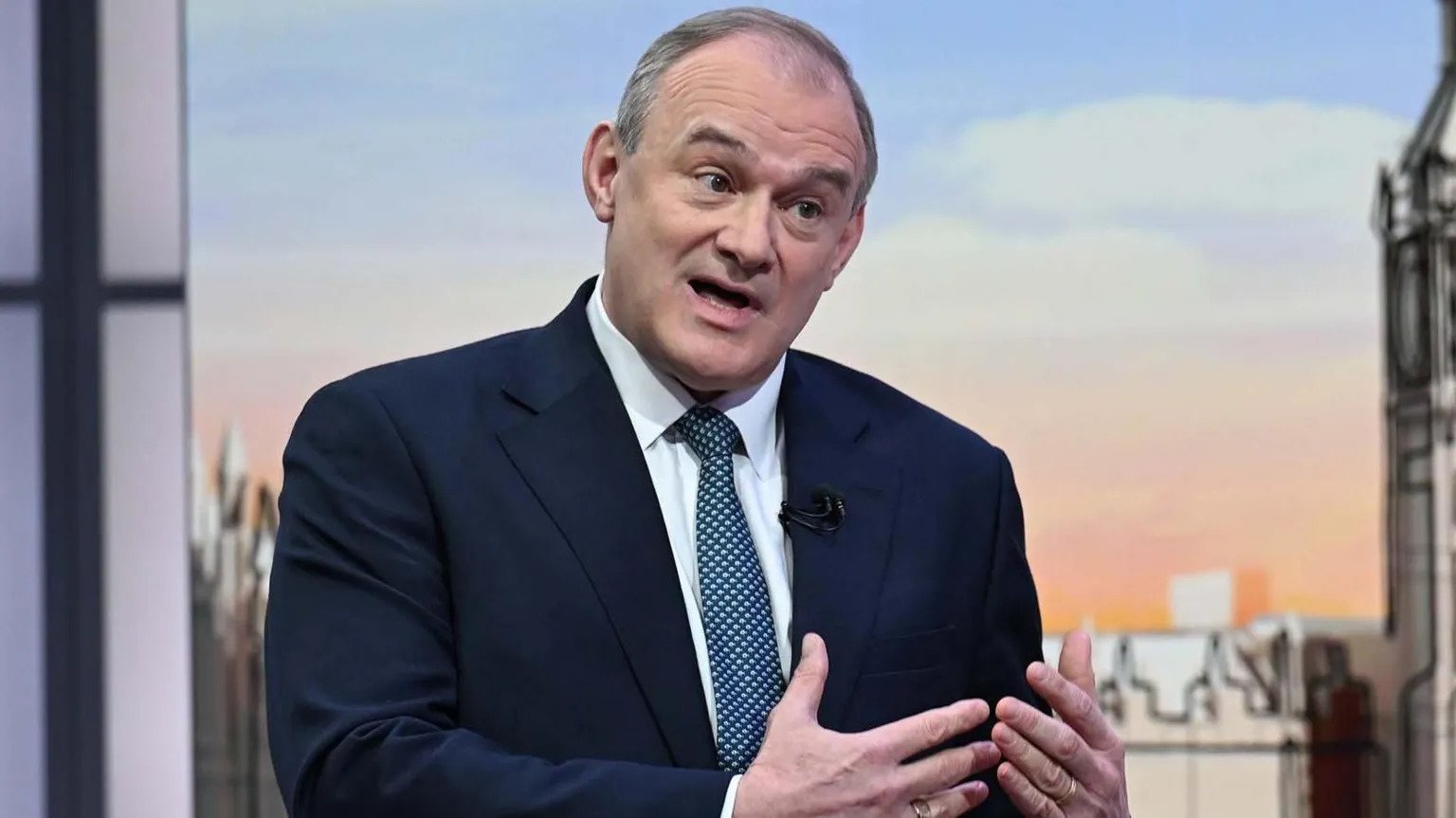
Liberal Democrat leader Sir Ed Davey has urged the UK government to issue ‘‘defence bonds’’ — modelled on the war bonds of the 20th century — as a means to rapidly accelerate investment in Britain’s armed forces and modernise the country’s military capabilities.
Under the proposal, members of the public and institutional investors would be invited to purchase fixed-term bonds, with proceeds legally ring-fenced for capital defence spending over the next two years.
Davey and his party argue that the scheme could raise as much as £20 billion to be invested in equipment, infrastructure and other key defence assets, bolstering the United Kingdom’s deterrent at a time of intensifying geopolitical tensions and rising strategic threats.
The plan reflects concerns about growing international instability, including Russia’s ongoing war in Ukraine and wider pressures on NATO allies to invest more in their own capabilities rather than relying extensively on external partners.
Davey presented the initiative as a patriotic opportunity for citizens to directly contribute to national security, drawing parallels with ‘‘war bonds’’ issued during the First and Second World Wars that enabled the British public to support the war effort financially.
He emphasised that defence bonds would be time-limited, capped and accompanied by strengthened parliamentary oversight, including the creation of a new Defence Public Accounts Committee to ensure transparent and efficient use of the funds raised.
The Liberal Democrats said the measure would also help stimulate economic activity, create jobs and signal long-term commitment to achieving higher defence spending targets, including reaching three per cent of gross domestic product by the early 2030s.
Supporters of the proposal note precedent for similar instruments both domestically and in other European states, while critics caution that new debt issuance must be weighed against broader fiscal objectives.
A government spokesperson said that ‘‘new debt instruments’’ are kept under review but must offer value for money and align with fiscal priorities.
The debate over defence bonds comes amid broader discussions in Westminster and across Europe on how best to meet evolving security challenges, with recent UK strategic reviews outlining plans to increase capital expenditure on long-range weapons, shipbuilding and other advanced military capabilities.
Davey’s call for defence bonds underscores a growing urgency among some political actors to find innovative funding mechanisms that can supplement traditional defence budgets and meet the demands of a changing global security environment.
Under the proposal, members of the public and institutional investors would be invited to purchase fixed-term bonds, with proceeds legally ring-fenced for capital defence spending over the next two years.
Davey and his party argue that the scheme could raise as much as £20 billion to be invested in equipment, infrastructure and other key defence assets, bolstering the United Kingdom’s deterrent at a time of intensifying geopolitical tensions and rising strategic threats.
The plan reflects concerns about growing international instability, including Russia’s ongoing war in Ukraine and wider pressures on NATO allies to invest more in their own capabilities rather than relying extensively on external partners.
Davey presented the initiative as a patriotic opportunity for citizens to directly contribute to national security, drawing parallels with ‘‘war bonds’’ issued during the First and Second World Wars that enabled the British public to support the war effort financially.
He emphasised that defence bonds would be time-limited, capped and accompanied by strengthened parliamentary oversight, including the creation of a new Defence Public Accounts Committee to ensure transparent and efficient use of the funds raised.
The Liberal Democrats said the measure would also help stimulate economic activity, create jobs and signal long-term commitment to achieving higher defence spending targets, including reaching three per cent of gross domestic product by the early 2030s.
Supporters of the proposal note precedent for similar instruments both domestically and in other European states, while critics caution that new debt issuance must be weighed against broader fiscal objectives.
A government spokesperson said that ‘‘new debt instruments’’ are kept under review but must offer value for money and align with fiscal priorities.
The debate over defence bonds comes amid broader discussions in Westminster and across Europe on how best to meet evolving security challenges, with recent UK strategic reviews outlining plans to increase capital expenditure on long-range weapons, shipbuilding and other advanced military capabilities.
Davey’s call for defence bonds underscores a growing urgency among some political actors to find innovative funding mechanisms that can supplement traditional defence budgets and meet the demands of a changing global security environment.