UK Government Advances Major Nuclear Power Expansion with 2026 Build-Out Framework
New strategic steer and policy milestones set stage for accelerated deployment of large reactors and modular designs.
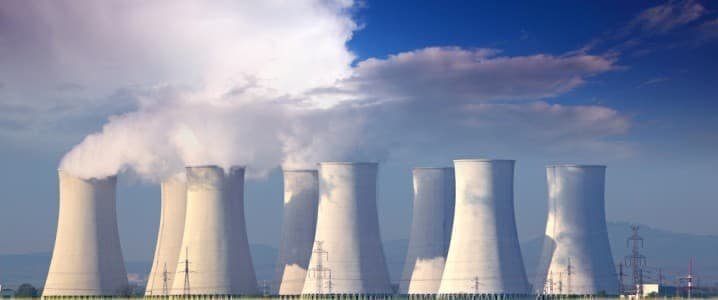
The United Kingdom is solidifying plans for a significant expansion of its nuclear power sector as ministers signal an ambitious roadmap for new reactors and supporting infrastructure through 2026 and beyond.
In a strategic policy steer issued this month, the government outlined steps to finalise a new national policy statement on nuclear energy generation, establishing a planning and regulatory framework for projects expected to come online after 2025 and enabling a broader build-out of capacity across England, Wales, Scotland and Northern Ireland.
This initiative builds on the UK’s commitments to increase nuclear generation capacity to support energy security, decarbonisation and stable electricity supplies, with the government emphasising the role of both large-scale conventional reactors and innovative small modular reactors in meeting future demand.
Ministers, including the Energy Secretary, have reiterated that ongoing work on major projects such as Hinkley Point C and Sizewell C, alongside the planned first fleet of small modular reactors at Wylfa in North Wales, will together bring more nuclear capacity to the grid than the country has seen in decades.
The policy steer aims to embed proportionate and enabling regulation to support the safe and timely delivery of new builds, and the designation of the updated national policy statement is expected to be completed within the next two years, subject to legislative timelines.
Alongside these domestic measures, the government has tasked Great British Energy—its publicly owned energy company established under the Great British Energy Act 2025—with identifying suitable sites and facilitating investment for future reactors.
Officials stress that these reforms will reduce planning uncertainty, unlock private and public capital, and create high-skilled jobs across the supply chain.
Industry and government sources highlight that this programme could transform the UK’s energy landscape by the mid-2030s, with a mix of conventional and modular nuclear capacity contributing to both grid resilience and the country’s climate objectives.
In a strategic policy steer issued this month, the government outlined steps to finalise a new national policy statement on nuclear energy generation, establishing a planning and regulatory framework for projects expected to come online after 2025 and enabling a broader build-out of capacity across England, Wales, Scotland and Northern Ireland.
This initiative builds on the UK’s commitments to increase nuclear generation capacity to support energy security, decarbonisation and stable electricity supplies, with the government emphasising the role of both large-scale conventional reactors and innovative small modular reactors in meeting future demand.
Ministers, including the Energy Secretary, have reiterated that ongoing work on major projects such as Hinkley Point C and Sizewell C, alongside the planned first fleet of small modular reactors at Wylfa in North Wales, will together bring more nuclear capacity to the grid than the country has seen in decades.
The policy steer aims to embed proportionate and enabling regulation to support the safe and timely delivery of new builds, and the designation of the updated national policy statement is expected to be completed within the next two years, subject to legislative timelines.
Alongside these domestic measures, the government has tasked Great British Energy—its publicly owned energy company established under the Great British Energy Act 2025—with identifying suitable sites and facilitating investment for future reactors.
Officials stress that these reforms will reduce planning uncertainty, unlock private and public capital, and create high-skilled jobs across the supply chain.
Industry and government sources highlight that this programme could transform the UK’s energy landscape by the mid-2030s, with a mix of conventional and modular nuclear capacity contributing to both grid resilience and the country’s climate objectives.