UK Expert Warns Social Media Is Misleading Young People About Gender Transitioning
Leader of major review into youth gender identity services says online portrayals can create unrealistic expectations and contribute to rising referrals
The lead author of an influential review into gender identity services for children and young people in the United Kingdom has warned that social media platforms are presenting misleading and overly simplistic portrayals of gender transitioning that risk influencing young people’s perceptions and decisions.
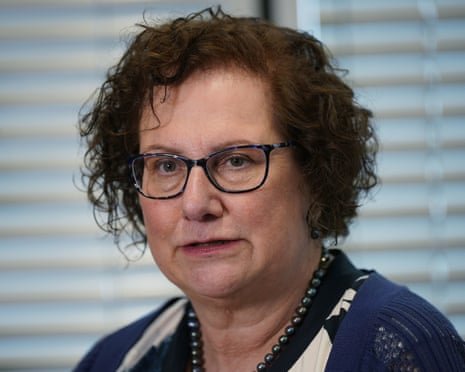
Baroness Hilary Cass, whose review has shaped recent policy changes including new Department for Education guidance for schools, said that unrealistic images and expectations about what it means to transition are being proliferated online, often without adequate reflection of the medical complexity and lifelong implications involved.
Speaking publicly, Cass acknowledged that a small number of young people genuinely experience persistent gender dysphoria and may ultimately require clinical support, including medical pathways.
However, she cautioned that social media narratives frequently fail to convey the intensity of treatments or the possibility of invasive procedures, and can encourage the assumption that gender non-conformity equates to being transgender.
Cass emphasised that many variations in gender expression are normal aspects of development and that not all such experiences indicate a need for medical intervention.
Cass also voiced concern that children and adolescents are being influenced by narrow stereotypes of gender roles, leading some to conclude they should change their gender identity simply because they do not conform to traditional norms.
She supported the recent draft guidance from the Department for Education urging schools to exercise care when responding to requests for social transitioning, particularly among pre-pubescent pupils, and highlighting the importance of involving parents and clinical professionals in deliberations about social transition.
In her remarks, Cass described the broader public debate about gender identity as having “weaponised” young people, drawing them into disputes over single-sex spaces, sports participation and women’s safety that are not directly related to their individual wellbeing.
She stressed the need for balanced, evidence-informed approaches that recognise both the potential benefits and risks of social and medical transitions, and for support networks that help young people navigate complex emotional and developmental experiences safely.
The comments by Cass come amid ongoing policy shifts in the UK’s approach to gender identity in schools and healthcare settings, including updated guidance for educators and heightened scrutiny of how social and online influences intersect with young people’s understanding of gender diversity.
Authorities emphasise that safeguarding and clinical advice should guide decisions about social transition, with a focus on children’s welfare and long-term outcomes.
Baroness Hilary Cass, whose review has shaped recent policy changes including new Department for Education guidance for schools, said that unrealistic images and expectations about what it means to transition are being proliferated online, often without adequate reflection of the medical complexity and lifelong implications involved.
Speaking publicly, Cass acknowledged that a small number of young people genuinely experience persistent gender dysphoria and may ultimately require clinical support, including medical pathways.
However, she cautioned that social media narratives frequently fail to convey the intensity of treatments or the possibility of invasive procedures, and can encourage the assumption that gender non-conformity equates to being transgender.
Cass emphasised that many variations in gender expression are normal aspects of development and that not all such experiences indicate a need for medical intervention.
Cass also voiced concern that children and adolescents are being influenced by narrow stereotypes of gender roles, leading some to conclude they should change their gender identity simply because they do not conform to traditional norms.
She supported the recent draft guidance from the Department for Education urging schools to exercise care when responding to requests for social transitioning, particularly among pre-pubescent pupils, and highlighting the importance of involving parents and clinical professionals in deliberations about social transition.
In her remarks, Cass described the broader public debate about gender identity as having “weaponised” young people, drawing them into disputes over single-sex spaces, sports participation and women’s safety that are not directly related to their individual wellbeing.
She stressed the need for balanced, evidence-informed approaches that recognise both the potential benefits and risks of social and medical transitions, and for support networks that help young people navigate complex emotional and developmental experiences safely.
The comments by Cass come amid ongoing policy shifts in the UK’s approach to gender identity in schools and healthcare settings, including updated guidance for educators and heightened scrutiny of how social and online influences intersect with young people’s understanding of gender diversity.
Authorities emphasise that safeguarding and clinical advice should guide decisions about social transition, with a focus on children’s welfare and long-term outcomes.