UK Deportation Flight Aborted After Detainee Swallows Vape Battery, Prompting Safety and Policy Scrutiny
Home Office charter jet cancelled when a male detainee ingested a lithium vape battery before departure, triggering hospital treatment and an investigation
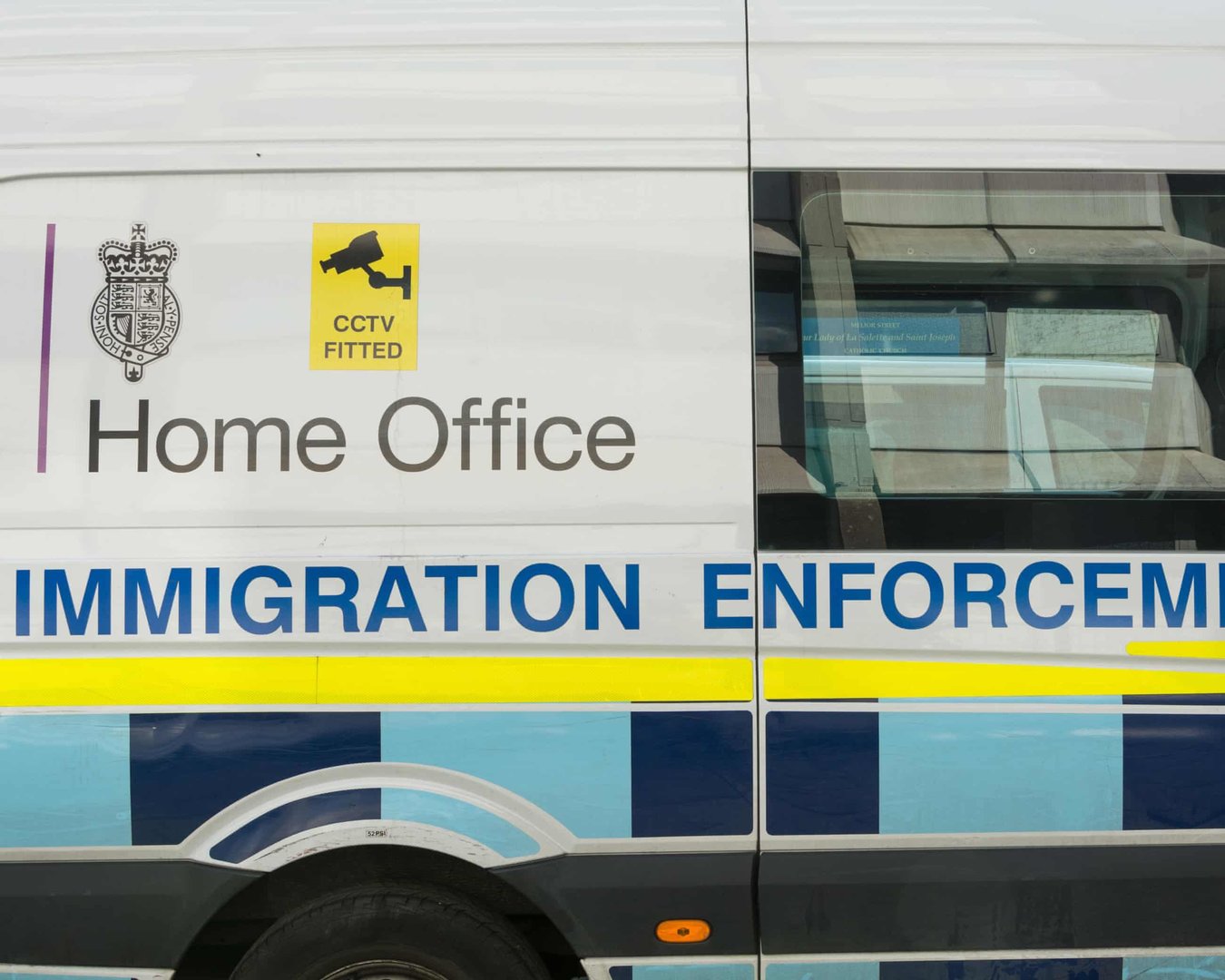
A Home Office-organised deportation flight from the United Kingdom was cancelled this week after an individual scheduled for removal ingested a lithium vape battery moments before departure, forcing medical intervention and grounding the operation.
The man, an Egyptian national with a history of disruptive behaviour during previous removal attempts, swallowed the battery while held in segregated immigration detention prior to boarding, according to officials.
The ingestion required immediate hospital treatment before he was returned to custody.
The planned flight was set to take the man from the UK via Albania before onward travel to Egypt on a private charter jet.
The Home Office had arranged for the charter to include a dedicated onward journey to Egypt for this individual alongside standard deportees bound for Albania.
The decision to use a private aircraft for a single individual’s transfer to a long-haul destination is unusual, reflecting challenges in transporting individuals deemed high-risk or prone to disruptive behaviour.
Mitie, the contractor responsible for managing the deportation on behalf of the Home Office, said it is supporting an investigation into the incident and maintains that there is currently no evidence of procedural breach by staff.
The company emphasised that safety and wellbeing of those in its care remain top priorities.
A Home Office spokesperson reiterated that disruptive behaviour would not prevent eventual deportation and that removal action would resume as soon as conditions permit.
The abrupt cancellation has renewed debate over the use of private charter flights in deportation operations, particularly where the costs can run into tens or hundreds of thousands of pounds for bespoke journeys.
It also highlights operational complexities in handling detainees who may resist removal, emphasising ongoing challenges within the UK’s deportation regime as authorities balance enforcement with welfare obligations.
The man, an Egyptian national with a history of disruptive behaviour during previous removal attempts, swallowed the battery while held in segregated immigration detention prior to boarding, according to officials.
The ingestion required immediate hospital treatment before he was returned to custody.
The planned flight was set to take the man from the UK via Albania before onward travel to Egypt on a private charter jet.
The Home Office had arranged for the charter to include a dedicated onward journey to Egypt for this individual alongside standard deportees bound for Albania.
The decision to use a private aircraft for a single individual’s transfer to a long-haul destination is unusual, reflecting challenges in transporting individuals deemed high-risk or prone to disruptive behaviour.
Mitie, the contractor responsible for managing the deportation on behalf of the Home Office, said it is supporting an investigation into the incident and maintains that there is currently no evidence of procedural breach by staff.
The company emphasised that safety and wellbeing of those in its care remain top priorities.
A Home Office spokesperson reiterated that disruptive behaviour would not prevent eventual deportation and that removal action would resume as soon as conditions permit.
The abrupt cancellation has renewed debate over the use of private charter flights in deportation operations, particularly where the costs can run into tens or hundreds of thousands of pounds for bespoke journeys.
It also highlights operational complexities in handling detainees who may resist removal, emphasising ongoing challenges within the UK’s deportation regime as authorities balance enforcement with welfare obligations.