UK Debate Intensifies Over Antisemitism as Officials Warn of Rising Threat
Government figures and Jewish community representatives raise alarm over security risks and public discourse following a series of reported incidents and tensions
The escalation of concern over antisemitism in the United Kingdom has become a prominent political and social issue, driven by warnings from government officials and Jewish community leaders that hostility and threats have increased in both online spaces and public life.
The central driver of the story is institutional and public response to perceived rises in antisemitic incidents and rhetoric, particularly in the context of heightened geopolitical tensions in the Middle East.
What is confirmed is that UK authorities and community organizations have publicly expressed concern about an increase in antisemitic behaviour and incidents over recent periods, including verbal abuse, intimidation, and threats reported in schools, universities, workplaces, and public demonstrations.
These concerns have been repeatedly raised in official statements and community security briefings, which track incidents and assess risk levels for Jewish institutions.
The key mechanism underpinning the issue is how international conflicts can translate into domestic social tensions.
In this case, the Israel–Gaza conflict has been identified as a major factor intensifying public debate in the UK, with protests, counter-protests, and online discourse contributing to a more polarized environment.
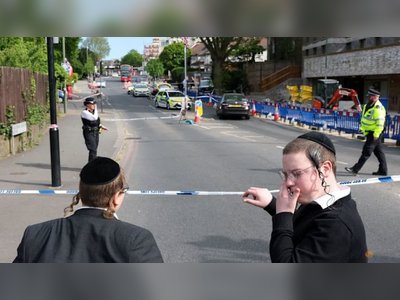
Security services and community protection groups have responded by increasing monitoring and protective measures around sensitive sites, including synagogues and Jewish schools.
Government involvement has focused on both enforcement and public messaging.
Authorities have reiterated that antisemitic behaviour constitutes a criminal offence under existing hate crime laws, and policing bodies have been instructed to respond to threats and incidents with increased urgency.
At the same time, officials have emphasized the importance of distinguishing between legitimate political expression and hate-driven conduct.
Jewish community representatives have warned that the cumulative effect of incidents and rhetoric has created a heightened sense of insecurity.
They have highlighted concerns about normalisation of antisemitic language in certain online environments and the spillover of international political narratives into domestic hostility.
Security measures for community institutions have been strengthened in response to assessed risk levels.
The issue also has a broader social dimension.
Universities, workplaces, and public institutions have faced pressure to manage tensions between freedom of expression and the need to prevent harassment or discrimination.
This has led to internal policy reviews, disciplinary processes in some cases, and increased guidance on acceptable conduct.
The stakes extend beyond immediate security concerns.
The situation is shaping national debates on social cohesion, integration, and the boundaries of political speech.
It also places pressure on law enforcement and policymakers to demonstrate effective prevention and response mechanisms without escalating broader societal divisions.
The current trajectory indicates continued scrutiny of both online and offline environments, with authorities and community groups maintaining heightened alert levels and reinforcing existing legal frameworks to address antisemitic incidents as they arise.
The central driver of the story is institutional and public response to perceived rises in antisemitic incidents and rhetoric, particularly in the context of heightened geopolitical tensions in the Middle East.
What is confirmed is that UK authorities and community organizations have publicly expressed concern about an increase in antisemitic behaviour and incidents over recent periods, including verbal abuse, intimidation, and threats reported in schools, universities, workplaces, and public demonstrations.
These concerns have been repeatedly raised in official statements and community security briefings, which track incidents and assess risk levels for Jewish institutions.
The key mechanism underpinning the issue is how international conflicts can translate into domestic social tensions.
In this case, the Israel–Gaza conflict has been identified as a major factor intensifying public debate in the UK, with protests, counter-protests, and online discourse contributing to a more polarized environment.
Security services and community protection groups have responded by increasing monitoring and protective measures around sensitive sites, including synagogues and Jewish schools.
Government involvement has focused on both enforcement and public messaging.
Authorities have reiterated that antisemitic behaviour constitutes a criminal offence under existing hate crime laws, and policing bodies have been instructed to respond to threats and incidents with increased urgency.
At the same time, officials have emphasized the importance of distinguishing between legitimate political expression and hate-driven conduct.
Jewish community representatives have warned that the cumulative effect of incidents and rhetoric has created a heightened sense of insecurity.
They have highlighted concerns about normalisation of antisemitic language in certain online environments and the spillover of international political narratives into domestic hostility.
Security measures for community institutions have been strengthened in response to assessed risk levels.
The issue also has a broader social dimension.
Universities, workplaces, and public institutions have faced pressure to manage tensions between freedom of expression and the need to prevent harassment or discrimination.
This has led to internal policy reviews, disciplinary processes in some cases, and increased guidance on acceptable conduct.
The stakes extend beyond immediate security concerns.
The situation is shaping national debates on social cohesion, integration, and the boundaries of political speech.
It also places pressure on law enforcement and policymakers to demonstrate effective prevention and response mechanisms without escalating broader societal divisions.
The current trajectory indicates continued scrutiny of both online and offline environments, with authorities and community groups maintaining heightened alert levels and reinforcing existing legal frameworks to address antisemitic incidents as they arise.