

The young people fighting to save their careers
But young people living there were dealt a huge blow last year when coronavirus struck.
"It's been a massive rollercoaster," says 24-year-old Ella Sparrow.
She is one of thousands of young people who had to claim benefits when they were made redundant due to the pandemic.
But as well as losing her job she couldn't complete her business administration apprenticeship.
"Without the experience in an office, I couldn't do the coursework," she says.
Like many young people Ella had her career plans upended by the pandemic.
But now with a new role and an opportunity to finish her training she's feeling more positive about her prospects.

"I'm seeing more jobs to apply for now things are opening up again," she says.
About one in seven young people in the UK is unemployed, according to Organisation for Economic Co-operation and Development (OECD) figures.
Job vacancies in the UK are soaring in sectors such as technology and hospitality, data suggests.
However, competition remains fierce, and the level of vacancies remains below pre-pandemic levels.
Andrew Ayres from Rewards Training, which runs apprenticeship schemes, says he's concerned there could be more pain to come in Crawley.
"With 1,400 jobs already gone at the airport - there are going to be more when the furlough scheme unwinds - we've got to be particularly careful to protect young people in the community," he says.
He says that the best way of doing that is to offer training that can plug the skills gaps in the local economy - an issue he says predates the pandemic.
"At the moment, we're seeing an initial demand in the hospitality sector as that comes out of hibernation - there's a particular need for chefs - but other sectors will be slower to come back," he says.
"We really need to make young people aware of the schemes that are out there."

Elise Lemon and Emily Salmon, both 18, were on apprenticeships at Gatwick airport when the pandemic hit.
"We were furloughed, but then pretty much kept in the dark - it just kept being extended," says Emily. Facing redundancy - and the loss of their training places, they both managed to pivot their careers into a new sector, and enrolled in new office-based apprenticeships.
"I feel really thankful I could find something straight away," says Elise, who's now considering where her career may take her.
"Crawley is quite a small town, so looking for things somewhere like London might be a good way to progress," she says.
Despite still facing an uncertain jobs market when their training ends, they are undeterred by any speculation over how the pandemic may have changed things.
"We're being told our jobs will change, but that doesn't mean they wouldn't have changed anyway," says Emily. "Business is always changing. We've dealt with so much over past year, if things change again, we know that we can do it."
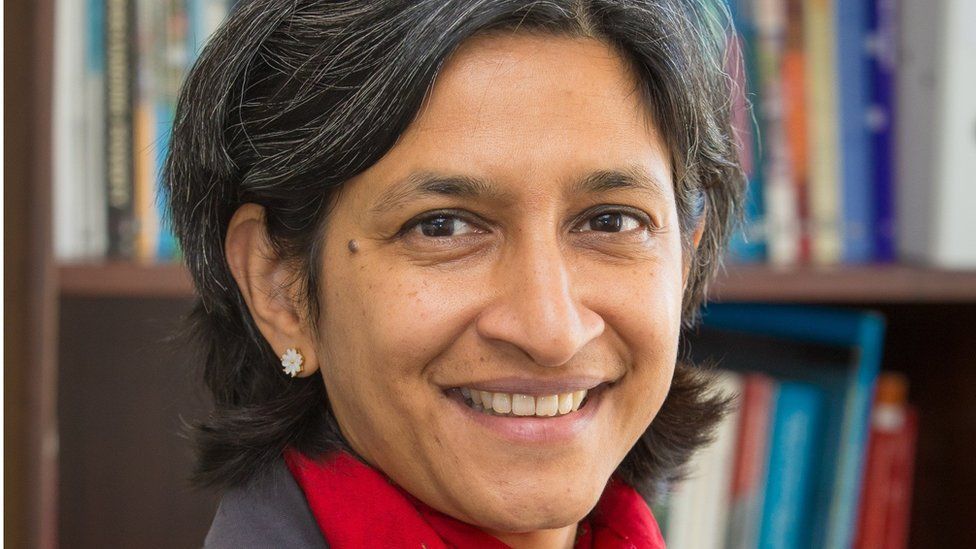
That resilience and potential is exactly what needs to be harnessed, according to Mamta Murthi, vice president for human development at the World Bank.
She warns that not taking action could mean "throwing away the potential of 1.8 billion young people."
As the Bank launches its annual Youth Summit, she says that young people have "borne the brunt" of economic lockdowns and may continue to do so even after they end.
"We know from long term studies that when it's difficult in these early stages of entering the jobs market, this has a long term impact on employment prospects, on earning opportunities and on having a fulfilling and meaningful life," she says.
More than a thousand miles from Crawley is the Spanish port city of Cadiz, where Covid has made a difficult jobs market even more challenging.
The OECD says one in three young people in Spain are unemployed - more than double the rate in the UK.
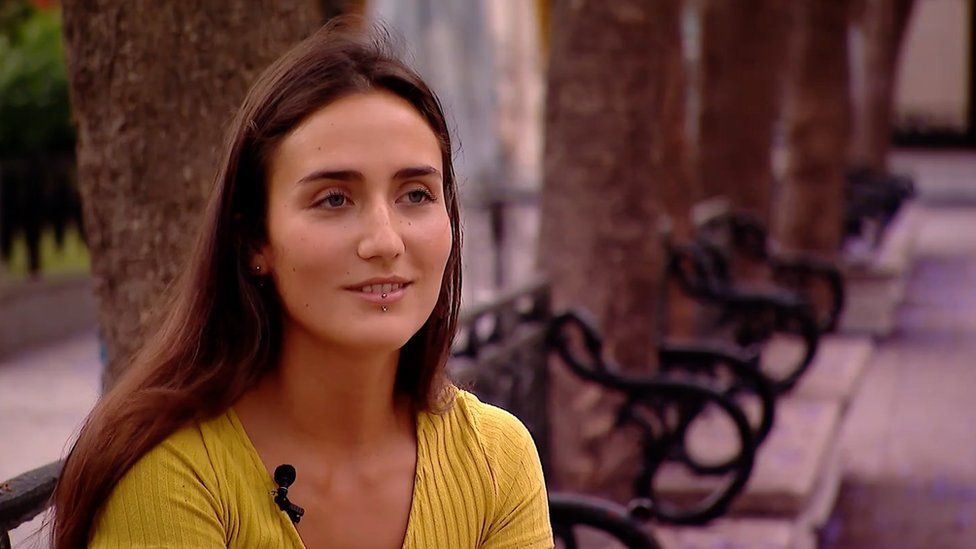
"The situation is really scary," says Carmen Corazón de Castro, 24, who has spent five years at university studying marine engineering.
"My friends are really frustrated. The only jobs we seem to be able to get are unpaid internships, even after studying for years."
She considers herself one of the lucky ones - she's doing an internship - but she's using savings to do it and needs to find something more permanent soon.
Her other option, she says, is leaving Spain altogether.
"I'd love to go to Australia," she says. "I think there are more jobs there. I've been before and I like the lifestyle there."
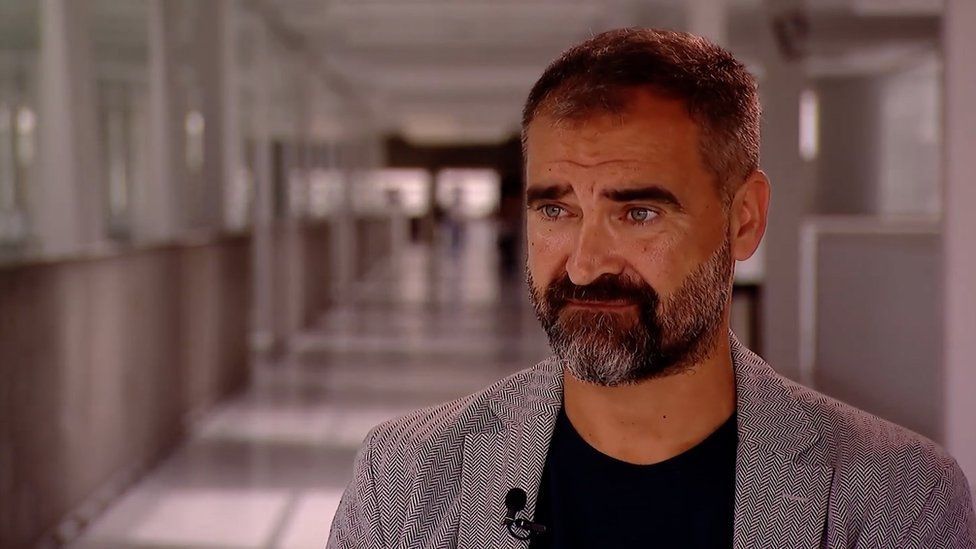
She isn't the only one who may end up leaving the city, says Luis López Molina, director of employment and Entrepreneurship at University of Cadiz.
"Ideally, students would finish studying here, work here and pay their taxes here, create wealth here, start their businesses here. That is the ideal economically. That is the perfect circle."
He says that long running structural unemployment issues in the area mean many young people don't have a choice but to look elsewhere, and the threatened closure of the nearby Airbus factory risks making a bad situation worse.
"If Airbus were to disappear, it would hurt us a lot here, because we have many students who are very focused on working there," he says.
The World Bank's Mamta Murthi says that as far as the economic recovery from coronavirus is concerned, a focus on young people is vital.
"There is no silver bullet", she says, but adds that preparing the next generation for the jobs of the future will be key.
"The single most important thing is to have skills that are demanded in the local labour market.
"Too often we have training and opportunities that are disconnected from what is being demanded locally. We have to bridge that gap," she says.