London Daily

Focus on the big picture.
Thursday, Jan 22, 2026

The world’s hottest smartphone brand is Chinese – and it isn’t Huawei

The world’s hottest smartphone brand is Chinese – and it isn’t Huawei

Xiaomi has benefited from a sanctions-hit Huawei, moving up fast in Europe, Southeast Asia

U.S. sanctions have pummeled Huawei Technologies Co.’s smartphone business. A different Chinese tech company is reaping the benefits.

Xiaomi Corp. has filled the gap left by Huawei in markets from Europe to Southeast Asia to China. It is doing so with a playbook familiar to many Chinese consumer brands: offering functional gadgets comparable to upscale rivals at prices that often undercut them.

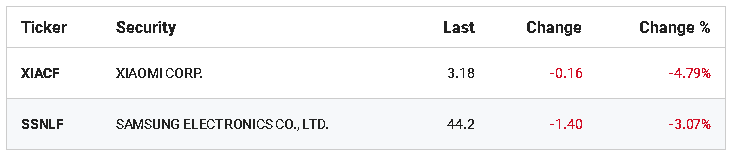
No company globally sold more phones in the month of June, as Beijing-based Xiaomi surged past Samsung Electronics Co. , according to market researcher Counterpoint Research. For the second quarter, Xiaomi leapfrogged Apple Inc. to become world’s No. 2 for the first time.
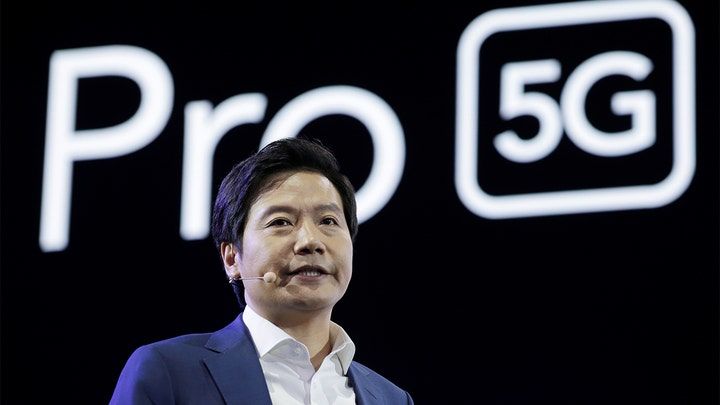
Xiaomi founder and CEO Lei Jun attends a product launch event of Xiaomi Mi9 Pro 5G in Beijing, China September 24, 2019.


In Europe, it grabbed the top spot, with its market share almost doubling to 24% from a year earlier. In price-sensitive markets like Spain, two out of every five phones sold in the second quarter were made by Xiaomi, Counterpoint said. The company was the top vendor in Denmark, Belgium, Ukraine and Russia.

Munza Mushtaq, a freelance journalist in Sri Lanka, swapped her Huawei device in May for a Xiaomi phone. She was driven to make the switch, she said, by the fact that Huawei devices no longer have access to many Google features, a result of U.S. export restrictions.

"Most importantly," she said, was "the fact that Google worked."

John Michael Ausejo, who lives in the Philippines, ditched Huawei last year as well. Shopping for a new device, he found many options too pricey. So he reached for Xiaomi’s Redmi Note 9, which has a battery that can last two days without a charge and has four rear cameras. The phone’s body was made of plastic rather than metal, so he bought a case for protection.

The device cost him about $200. "Everything is there," said Mr. Ausejo, a geoscientist and graduate student.

While other Chinese tech executives keep a low profile, Xiaomi CEO Lei Jun is open about the company’s ambitions. He has said he wants to make the company he founded No. 2 for good, then topple leader Samsung within three years as the world’s largest seller of smartphones.

"We reached the top of the European market and became the number one—the first time a Chinese company has achieved this," Mr. Lei said at an event in Beijing earlier this month. Becoming the world’s largest vendor is within the company’s grasp, he added.

Xiaomi’s resurgence follows years of stalled growth. In 2013, it was China’s leading smartphone company until a wave of domestic rivals, including Huawei, knocked it off its perch. Like Huawei, Xiaomi was briefly the target of a financial blacklisting by the Trump administration earlier this year. But the company successfully fought the action and the Biden administration has indicated it plans to make more focused use of the blacklist.

Xiaomi’s rise is most immediately a product of the fall of Huawei, which only a year ago was the world’s largest maker of smartphones after cornering about a fifth of the global smartphone market. But multiple rounds of U.S. sanctions cut Huawei off from crucial computing chips and software and its second-quarter sales plunged by more than 80% from a year earlier.

"European carriers and retailers have simply swapped out Huawei and swapped in Xiaomi," said Neil Mawston, a mobile industry analyst at market researcher Strategy Analytics.

Despite a recent push into higher-end devices, Xiaomi at heart remains a budget-focused brand. For example, Xiaomi’s Mi11 Ultra matches Samsung’s highest-end Galaxy S21 model on features such as camera quality—but the Chinese company’s device is about $400 cheaper, according to a comparison by Neil Shah, a Counterpoint analyst. Both phones were released earlier this year.

"Xiaomi is reaching Samsung level," he said.

Newsletter

Related Articles

0:00
0:00
Close
Trump Reverses Course and Criticises UK-Mauritius Chagos Islands Agreement
Elizabeth Hurley Tells UK Court of ‘Brutal’ Invasion of Privacy in Phone Hacking Case
UK Bond Yields Climb as Report Fuels Speculation Over Andy Burnham’s Return to Parliament
Trump’s Board of Peace: Breakthrough Diplomacy or a Hostile Takeover of Global Order?
The Greenland Gambit: Economic Genius or Political Farce?
Will AI Finally Make Blue-Collar Workers Rich—or Is This Just Elite Tech Spin?
Prince William to Make Official Visit to Saudi Arabia in February
Prince Harry Breaks Down in London Court, Says UK Tabloids Have Made Meghan Markle’s Life ‘Absolute Misery’
Malin + Goetz UK Business Enters Administration, All Stores Close
EU and UK Reject Trump’s Greenland-Linked Tariff Threats and Pledge Unified Response
UK Deepfake Crackdown Puts Intense Pressure on Musk’s Grok AI After Surge in Non-Consensual Explicit Images
Prince Harry Becomes Emotional in London Court, Invokes Memory of Princess Diana in Testimony Against UK Tabloids
UK Inflation Rises Unexpectedly but Interest Rate Cuts Still Seen as Likely
AI vs Work: The Battle Over Who Controls the Future of Labor
Buying an Ally’s Territory: Strategic Genius or Geopolitical Breakdown?
AI Everywhere: Power, Money, War, and the Race to Control the Future
Trump vs the World Order: Disruption Genius or Global Arsonist?
Arctic Power Grab: Security Chessboard or Climate Crime Scene?
Starmer Steps Back from Trump’s ‘Board of Peace’ Amid Strained US–UK Relations
Prince Harry’s Lawyer Tells UK Court Daily Mail Was Complicit in Unlawful Privacy Invasions
UK Government Approves China’s ‘Mega Embassy’ in London Amid Debate Over Security and Diplomacy
Trump Cites UK’s Chagos Islands Sovereignty Shift as Justification for Pursuing Greenland Acquisition
UK Government Weighs Australia-Style Social Media Ban for Under-Sixteens Amid Rising Concern Over Online Harm
Trump Aides Say U.S. Has Discussed Offering Asylum to British Jews Amid Growing Antisemitism Concerns
UK Seeks Diplomatic De-escalation with Trump Over Greenland Tariff Threat
Prince Harry Returns to London as High Court Trial Begins Over Alleged Illegal Tabloid Snooping
High-Speed Train Collision in Southern Spain Kills at Least Twenty-One and Injures Scores
Meghan Markle May Return to the U.K. This Summer as Security Review Advances
Trump’s Greenland Tariff Threat Sparks EU Response and Risks Deep Transatlantic Rift
Prince Harry’s High Court Battle With Daily Mail Publisher Begins in London
Trump’s Tariff Escalation Presents Complex Challenges for the UK Economy
UK Prime Minister Starmer Rebukes Trump’s Greenland Tariff Strategy as Transatlantic Tensions Rise
Prince Harry’s Last Press Case in UK Court Signals Potential Turning Point in Media and Royal Relations
OpenAI to Begin Advertising in ChatGPT in Strategic Shift to New Revenue Model
GDP Growth Remains the Most Telling Barometer of Britain’s Economic Health
Prince William and Kate Middleton Stay Away as Prince Harry Visits London Amid Lingering Rift
Britain Braces for Colder Weather and Snow Risk as Temperatures Set to Plunge
Mass Protests Erupt as UK Nears Decision on China’s ‘Mega Embassy’ in London
Prince Harry to Return to UK to Testify in High-Profile Media Trial Against Associated Newspapers
Keir Starmer Rejects Trump’s Greenland Tariff Threat as ‘Completely Wrong’
Trump to hit Europe with 10% tariffs until Greenland deal is agreed
Prince Harry Returns to UK High Court as Final Privacy Trial Against Daily Mail Publisher Begins
Britain Confronts a Billion-Pound Wind Energy Paradox Amid Grid Constraints
The graduate 'jobpocalypse': Entry-level jobs are not shrinking. They are disappearing.
×