LONDON DAILY ARCHIVE
The Drinking Culture in the Halls of Westminster Debated
Spotlight on Parliament's Bars: Traditions, Management, and Changing Dynamics
25 January 2025 · 11:30 UTC
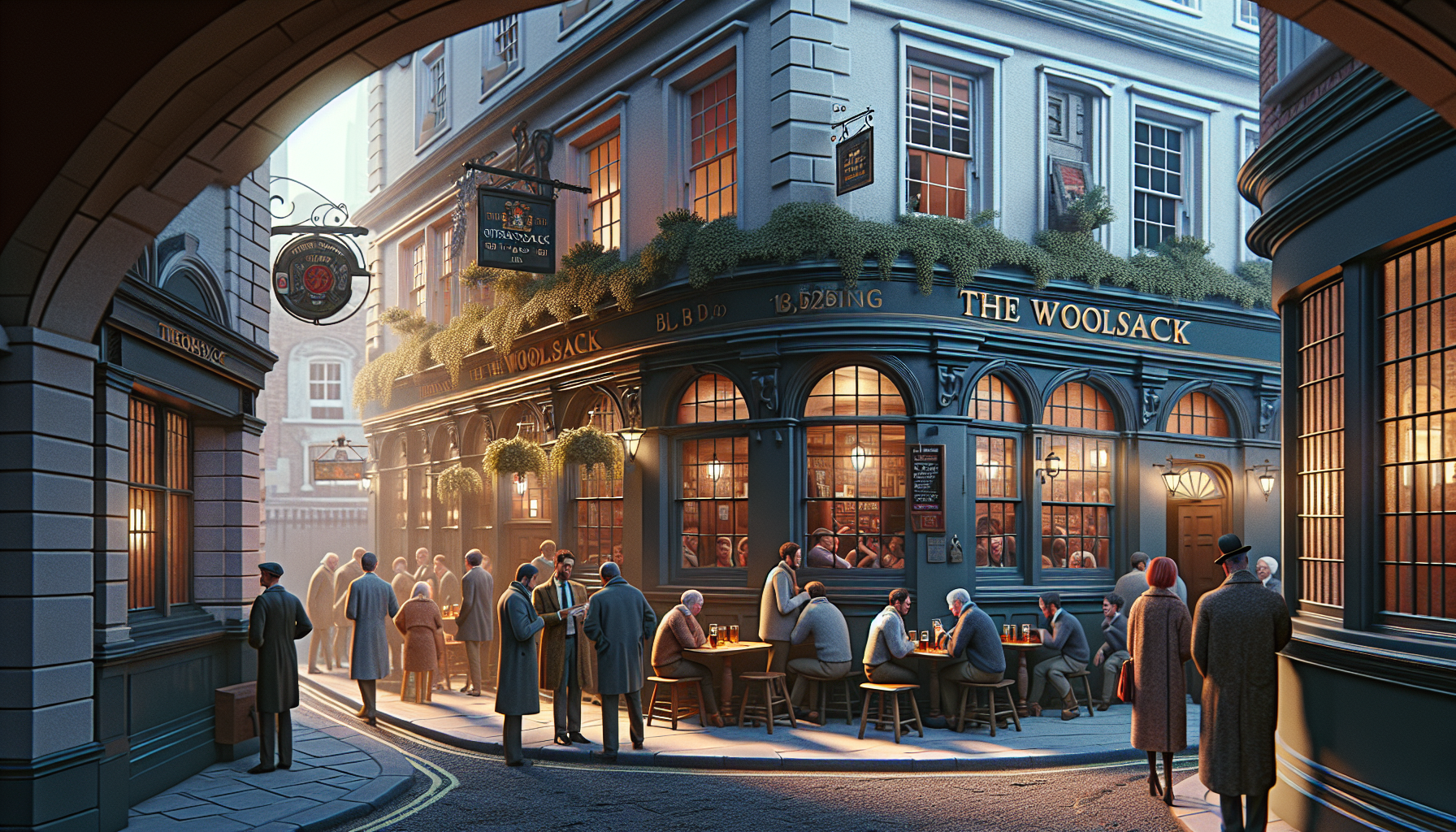
This event highlights a longstanding characteristic of the British legislature, where alcohol has historically been intertwined with political life.
The Palace of Westminster is home to multiple bars catering to politicians, their staff, and guests.
Among these, The Woolsack is a prominent establishment, akin to a traditional British pub.
It's popular with young party staffers, offering an informal setting where discussions range from policy to social gossip.
Despite its casual atmosphere, the bar operates under strict conditions: admission is for pass holders and their guests, and photography is prohibited.
Prices remain competitive compared to local options, with beverages being sold at rates reportedly benchmarked against those found outside Parliament.
The management of Parliament's venues falls under the Commons catering department, which oversees various dining and drinking establishments on the estate.
In fiscal year 2022/23, this department's operations received a taxpayer subsidy amounting to £6.4 million.
However, authorities assert that individual drink prices do not receive direct subsidies.
The culture of late-night sessions and the resulting social atmosphere at establishments like Strangers’ bar have faced scrutiny, particularly regarding incidents of disorderly conduct.
Historically, bars such as Strangers' have been venues where journalists historically mingled with MPs, especially during late sessions.
Recent developments reveal a shift among Westminster's newer and younger MPs, many of whom have expressed a desire to reassess the role of in-house bars.
This cohort, largely composed of MPs elected in the latest general election, bring progressive expectations and responsibilities—many have young families and exhibit restraint in their social habits.
Some advocates, like Liberal Democrat MP Steff Aquarone, argue for updates to Parliament's drinking norms to reflect broader societal changes, which could include restricting or eliminating daytime access to bars.
Meanwhile, Commons leader Lucy Powell suggests that maintaining bars within Westminster, where positive conduct is regulated, might ensure greater safety for MPs and staff than local public venues.
This ongoing debate illustrates a potential transitional phase within the fabric of Parliament's social culture, as newer members and changing societal norms prompt considerations for possible reforms.
Nonetheless, the unique and historically ingrained practices of Westminster's social life remain a key aspect of the institution's identity.