Syria and Kurdish Forces Agree Ceasefire as Government Reasserts Control
Damascus and the Kurdish-led Syrian Democratic Forces agree to halt fighting after government advances in northeast Syria, marking a pivotal step in ending years of conflict
Syrian government forces and the Kurdish-led Syrian Democratic Forces reached a ceasefire agreement on January 18, 2026, after an intensive military advance by Damascus into areas of northern and eastern Syria previously held largely by Kurdish authorities.
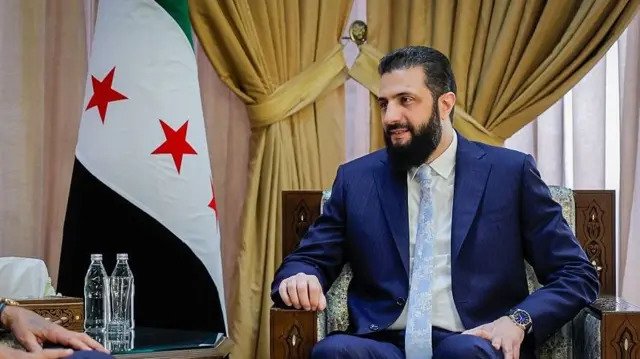
The accord was announced in Damascus by President Ahmad al-Sharaa and confirmed by SDF commander Mazloum Abdi, who said the group accepted the terms to prevent further bloodshed after renewed clashes, particularly around Aleppo and expanding into the Raqqa and Deir el-Zour governorates.
The cessation of hostilities follows several days of combat earlier this month in Aleppo’s Sheikh Maqsoud and Ashrafiyah districts and a broader offensive that saw government forces capture key towns and a strategic military airport in Kurdish-held territory.
Under the ceasefire deal, the Syrian state will assume administrative and military control over Raqqa and Deir el-Zour, including border crossings, oil and gas fields and critical civilian infrastructure, while the SDF will withdraw from these areas and begin integration into the national armed forces.
President al-Sharaa described the agreement as a step toward unifying the country after years of fragmentation and said it reflects the “spirit” of a March agreement aimed at merging Kurdish civilian and security institutions into the Syrian state.
The agreement also calls for the transfer of responsibility for prisons and camps holding Islamic State detainees to government authorities.
The United States, which previously backed the SDF in the fight against Islamic State militants, welcomed the ceasefire, with U.S. envoy Tom Barrack calling it a “pivotal inflection point” in stabilizing Syria.
Celebrations in some areas, notably Raqqa, contrasted with more cautious reactions in Qamishli, where concerns linger about the implementation of the deal and the future status of Kurdish autonomous administration.
The ceasefire is expected to be implemented gradually, with leaders from both sides planning further discussions to finalise procedural details and ensure the terms are carried out effectively.
The accord was announced in Damascus by President Ahmad al-Sharaa and confirmed by SDF commander Mazloum Abdi, who said the group accepted the terms to prevent further bloodshed after renewed clashes, particularly around Aleppo and expanding into the Raqqa and Deir el-Zour governorates.
The cessation of hostilities follows several days of combat earlier this month in Aleppo’s Sheikh Maqsoud and Ashrafiyah districts and a broader offensive that saw government forces capture key towns and a strategic military airport in Kurdish-held territory.
Under the ceasefire deal, the Syrian state will assume administrative and military control over Raqqa and Deir el-Zour, including border crossings, oil and gas fields and critical civilian infrastructure, while the SDF will withdraw from these areas and begin integration into the national armed forces.
President al-Sharaa described the agreement as a step toward unifying the country after years of fragmentation and said it reflects the “spirit” of a March agreement aimed at merging Kurdish civilian and security institutions into the Syrian state.
The agreement also calls for the transfer of responsibility for prisons and camps holding Islamic State detainees to government authorities.
The United States, which previously backed the SDF in the fight against Islamic State militants, welcomed the ceasefire, with U.S. envoy Tom Barrack calling it a “pivotal inflection point” in stabilizing Syria.
Celebrations in some areas, notably Raqqa, contrasted with more cautious reactions in Qamishli, where concerns linger about the implementation of the deal and the future status of Kurdish autonomous administration.
The ceasefire is expected to be implemented gradually, with leaders from both sides planning further discussions to finalise procedural details and ensure the terms are carried out effectively.