SpaceX, OpenAI, and Anthropic Signal an IPO Wave That Could Redefine Global Tech Markets
Reports of early-stage preparations point to a potential 2026 public-listing cycle, though OpenAI’s leadership has publicly downplayed any near-term timetable.
SpaceX, OpenAI, and Anthropic are widely reported to be exploring paths toward public listings that could begin as early as 2026, setting up what market observers describe as a potentially historic new phase for technology initial public offerings.
The central factual development is that these three companies, among the most highly valued private technology firms in the United States, are being discussed as candidates for landmark flotations that could raise exceptionally large sums.
The scale matters because it would not simply be another set of offerings; it would amount to a re-rating event for the technology sector’s private-to-public pipeline.
What is clear from recent reporting is that at least some preparatory activity is underway across the group, including engagement with external advisers and internal readiness work commonly associated with IPO planning.
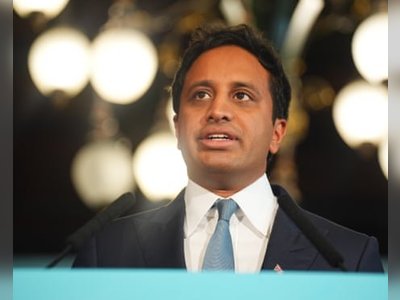
At the same time, OpenAI’s leadership has publicly pushed back on the notion of an imminent listing, with the company’s chief financial officer stating that an IPO is not currently part of OpenAI’s near-term plans.
That statement directly contradicts any framing that a public offering is already scheduled or actively being executed on a fixed timeline.
This tension is not unusual in late-stage private markets.
Companies can lay groundwork years before a listing, sometimes to strengthen governance, broaden financing options, or create leverage in partnership and capital negotiations, without committing to a firm date.
In OpenAI’s case, the public message suggests caution and operational focus, even as external observers see conditions forming for an eventual flotation.
SpaceX’s position is structurally different.
A public listing would be interpreted by many investors as a rare opportunity to access a dominant private aerospace and satellite-internet business through public markets.
The company’s repeated use of secondary transactions and tender offers has reinforced the sense that it can control timing while testing valuation appetite.
Anthropic, meanwhile, sits in the most capital-intensive segment of the current technology cycle.
The case for an eventual IPO is straightforward: artificial intelligence firms face extraordinary compute and infrastructure costs, and public markets can provide a deeper, more continuous funding channel than repeated private rounds.
The broader context is that the global IPO market has been recovering from its post-pandemic slump, and investor demand for large, well-known technology names has been re-emerging.
If these listings advance, they would serve as a referendum on whether public markets are ready to price the next era of artificial intelligence and frontier technology at scale.
Even in a strong market, the practical reality remains: preparations are not the same thing as a launch, and timetables can shift quickly with volatility, regulation, or strategic reconsideration.
Still, the fact that these three firms are now being discussed in the same IPO frame signals something important about the moment—private tech’s biggest players are no longer treating public markets as a distant option.
The central factual development is that these three companies, among the most highly valued private technology firms in the United States, are being discussed as candidates for landmark flotations that could raise exceptionally large sums.
The scale matters because it would not simply be another set of offerings; it would amount to a re-rating event for the technology sector’s private-to-public pipeline.
What is clear from recent reporting is that at least some preparatory activity is underway across the group, including engagement with external advisers and internal readiness work commonly associated with IPO planning.
At the same time, OpenAI’s leadership has publicly pushed back on the notion of an imminent listing, with the company’s chief financial officer stating that an IPO is not currently part of OpenAI’s near-term plans.
That statement directly contradicts any framing that a public offering is already scheduled or actively being executed on a fixed timeline.
This tension is not unusual in late-stage private markets.
Companies can lay groundwork years before a listing, sometimes to strengthen governance, broaden financing options, or create leverage in partnership and capital negotiations, without committing to a firm date.
In OpenAI’s case, the public message suggests caution and operational focus, even as external observers see conditions forming for an eventual flotation.
SpaceX’s position is structurally different.
A public listing would be interpreted by many investors as a rare opportunity to access a dominant private aerospace and satellite-internet business through public markets.
The company’s repeated use of secondary transactions and tender offers has reinforced the sense that it can control timing while testing valuation appetite.
Anthropic, meanwhile, sits in the most capital-intensive segment of the current technology cycle.
The case for an eventual IPO is straightforward: artificial intelligence firms face extraordinary compute and infrastructure costs, and public markets can provide a deeper, more continuous funding channel than repeated private rounds.
The broader context is that the global IPO market has been recovering from its post-pandemic slump, and investor demand for large, well-known technology names has been re-emerging.
If these listings advance, they would serve as a referendum on whether public markets are ready to price the next era of artificial intelligence and frontier technology at scale.
Even in a strong market, the practical reality remains: preparations are not the same thing as a launch, and timetables can shift quickly with volatility, regulation, or strategic reconsideration.
Still, the fact that these three firms are now being discussed in the same IPO frame signals something important about the moment—private tech’s biggest players are no longer treating public markets as a distant option.