

Singapore police used TraceTogether Covid-19 data in murder case
Senior government ministers in Singapore on Tuesday defended the use of data from the country’s Covid-19
contact-tracing programme in criminal investigations, saying it would be used only in cases involving “serious offences”.
Police had used the information from the TraceTogether programme in just one investigation so far – a murder case, the ministers said.
The comments in parliament on Tuesday followed the disclosure by Desmond Tan, the Minister of State for Home Affairs, on Monday that police were allowed to access the data under the Criminal Procedure code.
The admission prompted controversy because the Singapore authorities, in an effort to boost public participation in the programme, had previously stressed the data would be used only for contact-tracing purposes.
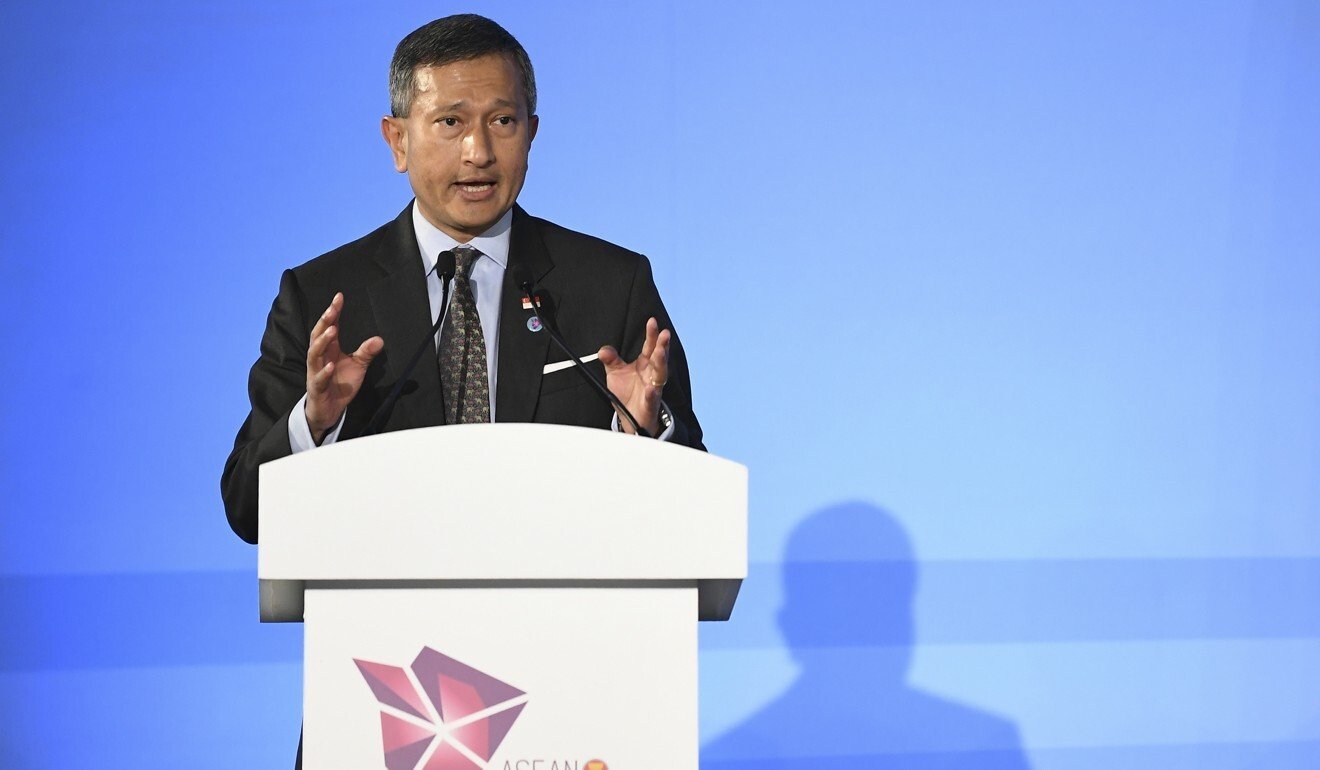
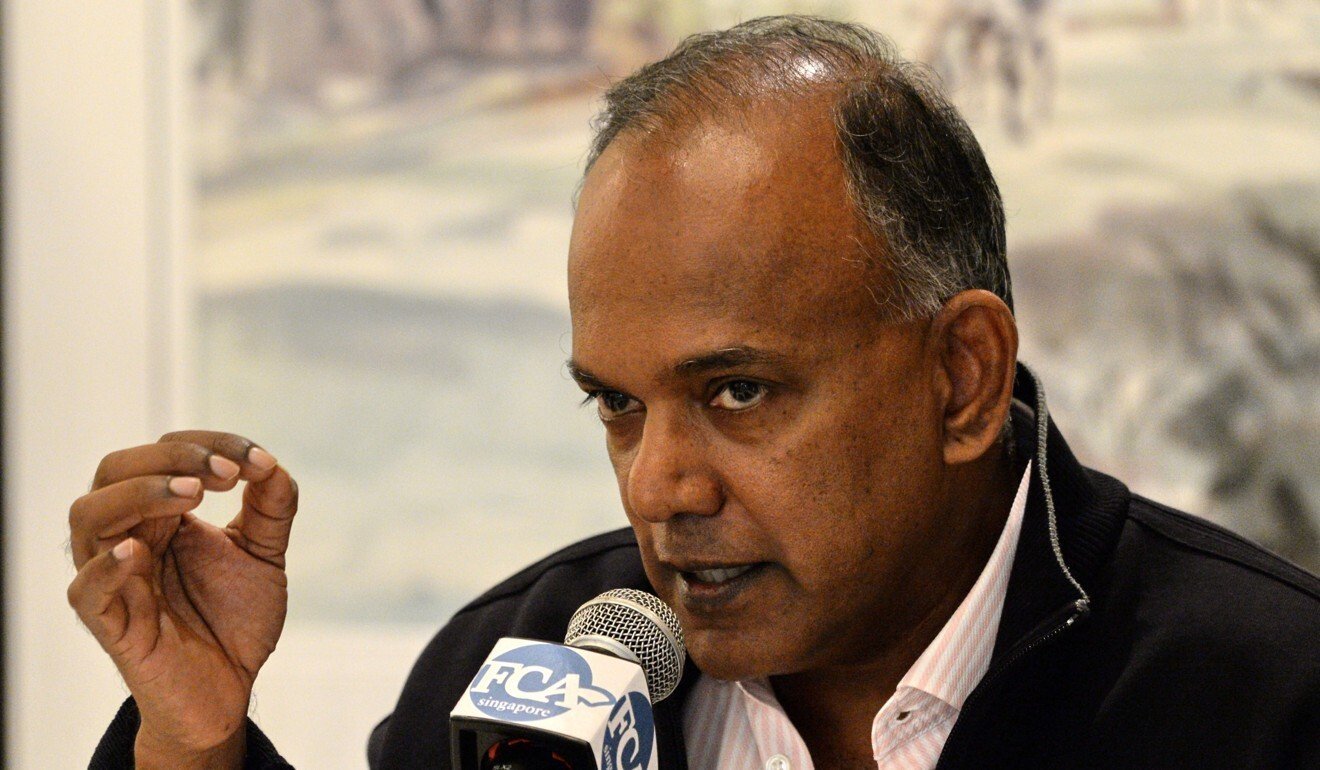
Both Law and Home Affairs Minister K Shanmugam and Minister-in-Charge of the Smart Nation Initiative Vivian Balakrishnan defended use of the data by police in cases of serious crimes.
“Let’s say there is a murder ... and information is available on [TraceTogether], if police chose not to seek that information, you can imagine how the victim’s family and indeed the rest of Singapore might react to that situation,” Shanmugam said.
Balakrishnan said that “so far, I think there has been only one [use of the data by police], which involved a murder case”, though he added he was “not privy to operational details”.
Balakrishnan, who is also the foreign affairs minister, added that the data was “not something to be accessed lightly or trivially – only for serious crimes, and to be used very judiciously and with utmost discretion”.
Previously the government had said the data would be anonymised and encrypted, and only unlocked if a person were to catch the disease to enable the tracing of their close contacts. Balakrishnan himself said at a press conference in June last year saying that the data would be used “purely for contact tracing. Period.”
However, in parliament on Tuesday, Balakrishnan said when he had made his earlier comments, “the [Criminal Procedure Code] was not on my mind”. He said when he realised the code would apply to data from TraceTogether he had “sleepless nights” wondering if he should persuade his colleagues to change the law.
Following reflection, he had “come to the conclusion that right now we are doing well … And so long as this government is able to maintain our reputation for openness, transparency, reliability, I think we are still on the right track”.
On Monday evening, following Tan’s disclosure about police access to the data, the TraceTogether website was updated with a paragraph stating the data could be used to guard the safety and security of citizens. “We want to be transparent with you,” read the website.
The ministers’ comments came in response to questions from lawmakers who wanted to know what impact the controversy would have on the public’s adoption of TraceTogether, currently thought to have been taken up by 78 per cent of the population.
Previously, the government has used further relaxation of social distancing rules – the third and final phase of reopening – to encourage higher adoption of TraceTogether.
Lawmakers also asked whether data would be deleted if it was not useful to the police and why the disclosure had not been made earlier.
Users of social media had reacted with anger to Tan’s comments, with many sharing a cartoon by comic artist Sonny Liew that depicted a minister with a long nose – his speech bubble promising the data would be used only for Covid-19 purposes.
Critics said the about-turn had marred Singapore’s otherwise widely praised Covid-19 containment efforts. Experts had previously attributed the high adoption rate of TraceTogether to high levels of trust in the Singapore government. Such trust comes in stark contrast to the situation faced by governments across the world where many populations have resisted tracking apps on privacy grounds.
Japan launched its contact-tracing app in June and it was downloaded 4.4 million times in the first week. But uptake slowed dramatically, and as of July there were still only 7.69 million users out of an adult population of 105 million. Hong Kong, meanwhile, rolled out its “Leave Home Safe” mobile app in November, but the app met a mixed response due to difficulties in usage and privacy fears.
Deputy Director of Human Rights Watch’s Asia Division Phil Robertson said there had been a “betrayal of [Singapore’s] solemn promises to limit the use of TraceTogether information to public health matters” and said the government was “covertly exploiting the pandemic” to deepen surveillance and control.
Natalie Pang, senior lecturer at the communications and new media department of the National University of Singapore, said most Singaporeans would be “okay with data being used for criminal investigations if they understand it as protecting and maintaining public safety and order – but the purpose of use is one thing, being informed about the purpose is another”.
But Pang said there would be major implications given the way this was communicated. “The public may now wonder about future uses of data that has already been collected, how they will be informed and if there are choices in future use.”
She added that if communications were “not managed well, this could impact public trust in the governance of data collected via TraceTogether and support of future data collection programmes”.
Teo Yi-Ling, a senior fellow at the S. Rajaratnam School of International Studies’ Centre of Excellence for National Security, said citizens felt they had been “baited and switched”.
“There is the perception of inconsistency of information from the government,” she said. “This apparent incoherence on the part of the government is objectively damaging to any attempt to win the Singapore public’s trust in this respect.”
Balakrishnan on Tuesday said Singapore’s police force was effective and enjoyed trust and cooperation that set a “right” balance. In contrast, he said authorities in the United States could not legally access data on a dead terrorist’s locked phone and ended up paying millions to hack the phone.
The minister doubted that the public’s uptake of the app would be affected and said most Singaporeans were not involved in assisting in criminal investigations, so “in that sense, they’re not affected”.
He also emphasised that the government had decided to be “upfront”.
“We must be forthright, honest, open, transparent, and do the best that we can. And it is in that spirit, therefore, that we have these open discussions,” Balakrishnan said.
The open discussions, he said, were why “the participation rate in contact tracing – using the latest tools that we have available – will remain high and why I hope we will continue to be one of the bright spots in the world”.
Teo agreed. She said people needed to use TraceTogether to get on with their lives, and this was a learning opportunity for the government and for citizens.
“It is also the basis of having a robust public discussion on what are arguably two fundamental issues here: the lack of understanding around the legal protection of privacy in Singapore, and what a government needs to work on in winning and maintaining the public’s trust in dealing with this issue of privacy,” she said.