Scientists Outline UK’s ‘Worst-Case’ Climate Scenarios, Warning of Massive Disruption by 2100
New high-impact, low-likelihood projections show the United Kingdom could face extreme temperature shifts, sea-level rise and breakdowns in key climate systems without swift action
Scientists have published a set of ‘worst-case’ climate crisis scenarios for the United Kingdom designed to inform planning and resilience efforts by depicting the most severe but plausible impacts of global warming.
The analysis suggests that, in the absence of significant mitigation and adaptation, average temperatures in the UK could rise by up to four Celsius degrees by the end of the century, while global disruptions to ocean currents could deliver rapid cooling in parts of the country, severely affecting agriculture, water systems and energy demand.
The scenarios — developed to supplement standard climate projections and fill gaps in existing forecasting tools — outline multiple extreme outcomes.
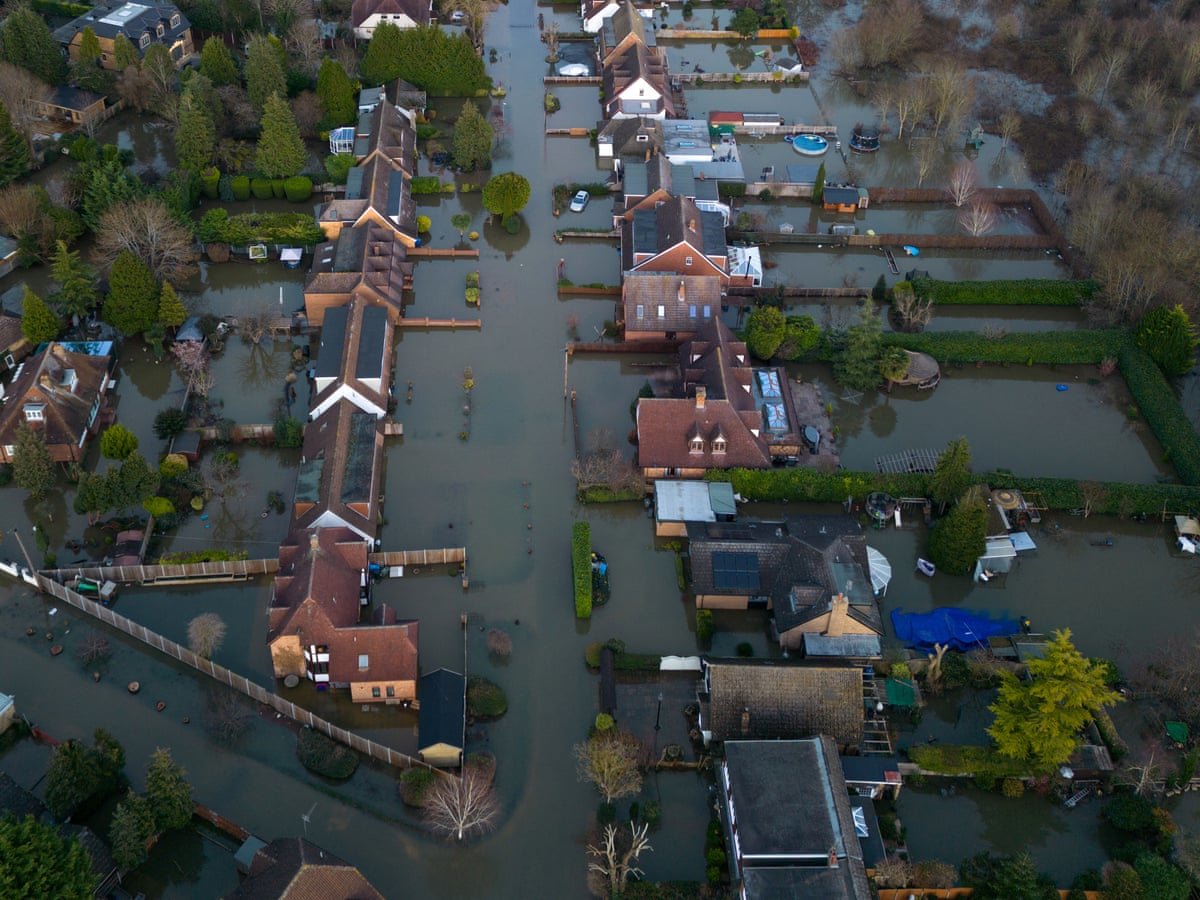
One set envisions a rapid collapse of polar ice sheets leading to sea-level increases of up to 2.2 metres around UK coasts, threatening infrastructure and communities previously considered relatively secure.
Another scenario focuses on the Atlantic Meridional Overturning Circulation (AMOC), a critical ocean current whose weakening could trigger a regional temperature drop of as much as six Celsius degrees, with far-reaching consequences for farming, ecosystems and urban energy use.
Researchers emphasise that such outcomes are considered low probability but remain physically plausible given accelerating climate tipping points and the deep uncertainty inherent in the Earth’s climate system.
The scientists stress that these scenarios are not predictions but risk tools that should be integrated into national planning comparable to stress tests used in finance or national security assessments.
They argue that the United Kingdom’s current adaptation strategies — including flood defences, reservoir projects and emergency measures — may not be sufficient against the extremes depicted.
The scenarios underscore the importance of updating infrastructure planning, cutting greenhouse gas emissions more rapidly and strengthening resilience at all levels of government and society.
Report authors note that the probability of each scenario cannot be precisely quantified due to uncertainties in future emissions and climate feedbacks, but that their potential impacts justify proactive preparation.
The analysis was commissioned by the Met Office and published in the journal Earth’s Future as part of the UK’s climate resilience programme.
Researchers and policymakers alike are calling for these worst-case projections to be used alongside conventional climate forecasts to ensure that long-term investments and policy decisions reflect the full range of possible future climates.
The analysis suggests that, in the absence of significant mitigation and adaptation, average temperatures in the UK could rise by up to four Celsius degrees by the end of the century, while global disruptions to ocean currents could deliver rapid cooling in parts of the country, severely affecting agriculture, water systems and energy demand.
The scenarios — developed to supplement standard climate projections and fill gaps in existing forecasting tools — outline multiple extreme outcomes.
One set envisions a rapid collapse of polar ice sheets leading to sea-level increases of up to 2.2 metres around UK coasts, threatening infrastructure and communities previously considered relatively secure.
Another scenario focuses on the Atlantic Meridional Overturning Circulation (AMOC), a critical ocean current whose weakening could trigger a regional temperature drop of as much as six Celsius degrees, with far-reaching consequences for farming, ecosystems and urban energy use.
Researchers emphasise that such outcomes are considered low probability but remain physically plausible given accelerating climate tipping points and the deep uncertainty inherent in the Earth’s climate system.
The scientists stress that these scenarios are not predictions but risk tools that should be integrated into national planning comparable to stress tests used in finance or national security assessments.
They argue that the United Kingdom’s current adaptation strategies — including flood defences, reservoir projects and emergency measures — may not be sufficient against the extremes depicted.
The scenarios underscore the importance of updating infrastructure planning, cutting greenhouse gas emissions more rapidly and strengthening resilience at all levels of government and society.
Report authors note that the probability of each scenario cannot be precisely quantified due to uncertainties in future emissions and climate feedbacks, but that their potential impacts justify proactive preparation.
The analysis was commissioned by the Met Office and published in the journal Earth’s Future as part of the UK’s climate resilience programme.
Researchers and policymakers alike are calling for these worst-case projections to be used alongside conventional climate forecasts to ensure that long-term investments and policy decisions reflect the full range of possible future climates.