London Daily

Focus on the big picture.
Monday, Jul 13, 2026

Rules on GM farming and cars to be top of UK bonfire of EU laws

Rules on GM farming and cars to be top of UK bonfire of EU laws

Minister reveals plans to change laws inherited from EU, with rules on medical devices also in crosshairs

Rules on genetically modified farming, medical devices and vehicle standards will be top of a bonfire of laws inherited from the EU as the government seeks to change legislation automatically transferred to the UK after Brexit.

Thousands of laws and regulations are to be reviewed, modified or repealed under a new programme aimed at cementing the UK’s independence and “Brexit opportunities”, David Frost has announced.

Measures include permitting the voluntary printing of the crown stamp on pint glasses and reviewing the EU ban on markings and sales in pounds and ounces – with legislation “in due course”.

The Brexit minister told peers the government had a “mammoth task” ahead to improve or remove laws inherited through 50 years of the “legislative sausage machine” in Brussels.

In the run-up to Brexit, the UK laid down 960 statutory instruments to roll EU laws over to the British statute books. The government is now looking at “developing a tailored mechanism for accelerating the repeal or amendment” of those, which may concern some MPs who fear the results of rushed lawmaking.

Government procurement rules, which have required contracts from national to local council to go to open tender, would also be modified, along with rules around data and artificial intelligence, Lord Frost told the House of Lords.

The Brexit minister also announced that members of the public could contribute to the bonfire of laws. A standards commission would be established and, “under visible and energetic leadership”, would be able to pick up “ideas from any British citizen on how to repeal or improve regulation”.

Frost said now was the time to deliver the Brexit promise to “unleash Britain’s potential” and “improve growth and prosperity for everyone”.
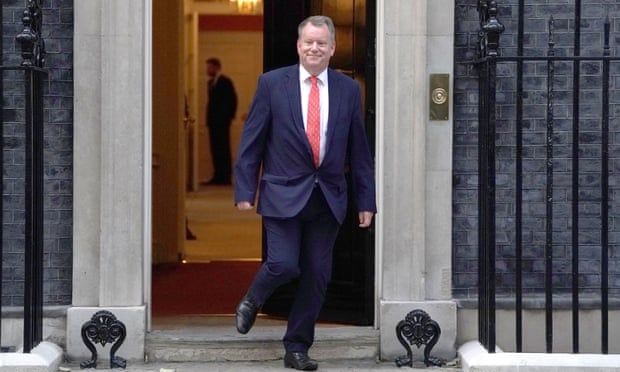
David Frost has told peers the government has a ‘mammoth task’ ahead to improve or remove laws inherited from Brussels’ ‘legislative sausage machine’.


The moves hark back to longstanding pledges of successive Conservative leaders and Brexiters to loosen the grip of EU law, including David Cameron, who promised to light “a bonfire of red tape”, and Nigel Lawson, who called for a “massive regulatory cull”.

Frost promised a “review of the inherited approach to genetically modified organisms”, which include insects and soil bacteria used in farming, along with reform of “outdated EU legislation” around medical devices and clinical trials. This, he suggested, would help British research and development and help speed up access to lifesaving medicines for patients.

The Department for Transport would also be unveiling a new strategy to adapt EU standards for vehicles including cars and lorries to take advantage of “new transport technologies” and to ditch or repeal EU port services regulations, which the industry says have held back small ports because of onerous rules on cargo, mooring and ship-generated waste.

Frost promised to “supercharge” the artificial intelligence sector with the imminent publication of a national strategy to lead the world in the “AI ecosystem”. His announcement was a formal response to the initial recommendations from the taskforce on innovation, growth and regulatory reform, led by Iain Duncan Smith, one of the cheerleaders for lighter regulation.

“We now have the opportunity to do things differently and ensure that Brexit freedoms are used to help businesses and citizens get on and succeed. Today’s announcement is just the beginning. The government will go further and faster to create a competitive, high-standards regulatory environment which supports innovation and growth across the UK as we build back better from the pandemic,” said Frost.

Emily Thornberry, the shadow international trade secretary, questioned why the government was talking about Brexit opportunities while the country faced continuing shortages of staff and supplies and while exporters faced mounting losses on trade with the EU and businesses in Northern Ireland were “stuck in limbo”.

“Into all of that along comes the new paymaster general to talk about all the wonderful opportunities that await us because of the marvellous Brexit deal which is working so well at present,” she said.

Newsletter

Related Articles

0:00
0:00
Close
World Cup Visitors Turn American Big-Box Stores Into Souvenir Stops
Netflix Weighs Always-On Channels, Bundles and Short-Form Video
Passenger Is Pulled Partly Outside Ryanair Jet After Window Fails Mid-Flight
Innovation-led growth strategy
Public service reform pressure
Defence and industrial security
Labour leadership transition and economic reset
Northern England Pushes for Greater Influence in Britain’s Future Economic Model
UK Technology Strategy Focuses on Life Sciences, Digital Innovation and Research Investment
Britain and United States Maintain Focus on Pharmaceuticals Cooperation and Industrial Growth
UK Public Services Face Continued Pressure as Government Promises Visible Improvements
Regional Economic Power Becomes Key Theme in Britain’s Next Political Phase
Britain Expands Support for Small Businesses as Firms Seek Better Access to Finance
UK Economy Remains Central Political Challenge as Cost of Living and Growth Concerns Persist
National Health Service Introduces New Workplace Reviews to Improve Conditions for Healthcare Staff
UK Life Sciences Sector Secures More Than Three Billion Pounds in Investment to Support Innovation
Britain Strengthens Defence Strategy as Security Concerns Reshape Military and Industrial Policy
Andy Burnham Promises Stronger UK Defence Industry and Expanded Domestic Production
UK Government Faces Difficult Spending Choices as Labour Leadership Transition Approaches
Rachel Reeves Warns Andy Burnham of Immediate Economic Challenges After Expected Leadership Change
Andy Burnham Prepares to Lead UK Government With Plans for Regional Power Shift and Economic Reset
Government Creates Emergency Support Scheme for Financially Struggling Universities
United Kingdom Replaces Traditional Farm Subsidies With Payments Linked to Environmental Performance
National Grid Reports First Week of Electricity Generation Without Fossil Fuels
United Kingdom Financial Regulator Introduces Tougher Capital Rules for Cryptocurrency Exchanges
Belfast Harbour Expands Operations to Attract Investment Through United Kingdom and European Union Market Access
Scottish Government Threatens Legal Challenge Over Westminster Cuts to North Sea Transition Funding
United Kingdom Accelerates Trans-Pennine High-Speed Rail Project Linking Northern Cities
United Kingdom Secures Ten Billion Pound Investment for Cambridge Quantum Computing Campus
Port Talbot Steelworks Wins Support for Green Hydrogen Transition and Protection of Industrial Jobs
United Kingdom Sends Royal Navy Carrier Strike Group to Indo-Pacific as Regional Security Focus Expands
National Health Service Expands Artificial Intelligence Diagnostics Across England to Reduce Screening Backlogs
United Kingdom Launches Fifty Billion Pound Infrastructure Fund to Accelerate Housing and Construction
UK Medical Chiefs Update Health Guidance to Promote Everyday Physical Activity
Office of Communications Keeps Wikipedia Under Review Under UK Online Safety Rules
UK Defence Ministry Expands Deep-Strike Capability Through Precision Missile Programme
Russell Group Universities Warn Funding Cuts Could Damage NHS Workforce Training
UK Parliament Calls for National Emergency Broadcast as Heatwave Conditions Intensify
UK and Netherlands Strengthen Naval Cooperation With New Amphibious Defence Partnership
UK Defence Ministry Joins International Missile Programme With One Hundred and Ninety Million Pound Investment
Bank of England Warns Middle East Conflict and AI Risks Could Pressure UK Economy
UK Government Introduces New Rules to Limit Foreign Influence in Political Donations
UK and France Prepare Naval Mission to Protect Shipping Through Strait of Hormuz
United States Pressures UK to Increase Defence Spending at NATO Summit
Bank of England Warns Artificial Intelligence Investment Boom Could Create Financial Stability Risks
Bank of England Begins Direct Oversight of Critical Technology Providers Supporting UK Finance
Andy Burnham Set to Become UK Prime Minister After Labour Leadership Race Clears Path to Downing Street
Scottish Fishing Industry Calls for Emergency Support Amid Rising Costs
UK Supports Stronger European Response to Russian Actions in Ukraine
Devon and Cornwall Police Release Suspect in Ann Widdecombe Murder Investigation
×