Prince Harry’s Australia Return Reignites Debate Over Royal Identity After Years Outside the Monarchy
A heavily scrutinised Australian tour by Prince Harry and Meghan Markle has intensified questions about whether the couple can separate commercial ambitions from the symbolism of royalty they formally left behind.
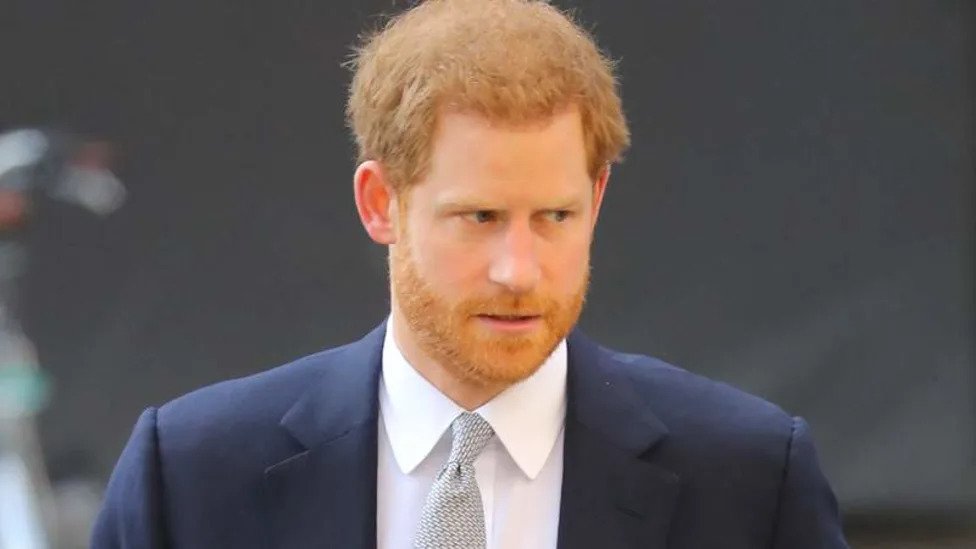
The British royal institution remains the central force shaping Prince Harry’s public role, even after his formal departure from official royal duties, and his recent Australia tour exposed how difficult it has become for the Duke of Sussex to operate outside the monarchy while still relying on its identity, visibility and cultural power.
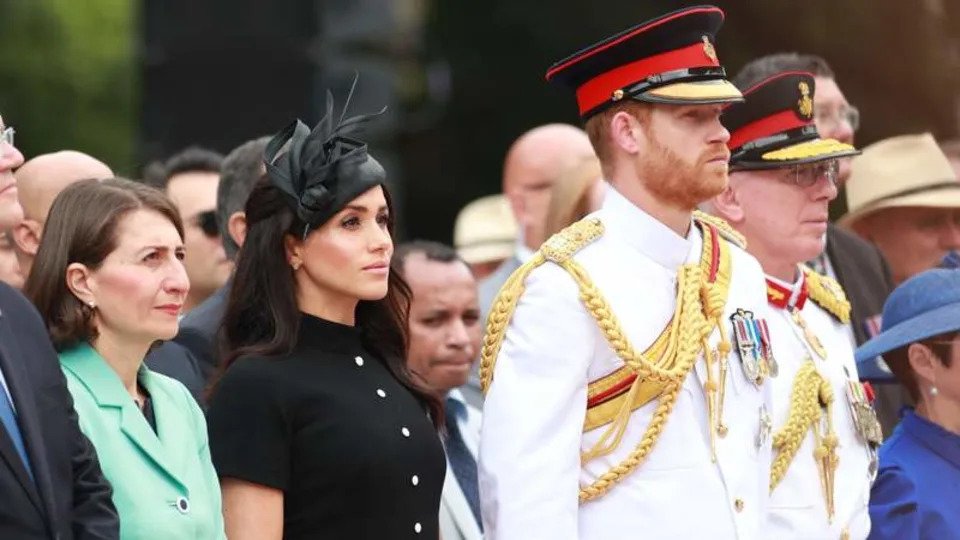
Prince Harry and Meghan Markle returned to Australia this year for their first major visit since their 2018 royal tour, but the atmosphere was markedly different.
Their earlier visit had been an official Commonwealth tour conducted on behalf of the monarchy, attracting huge crowds and intense public enthusiasm.
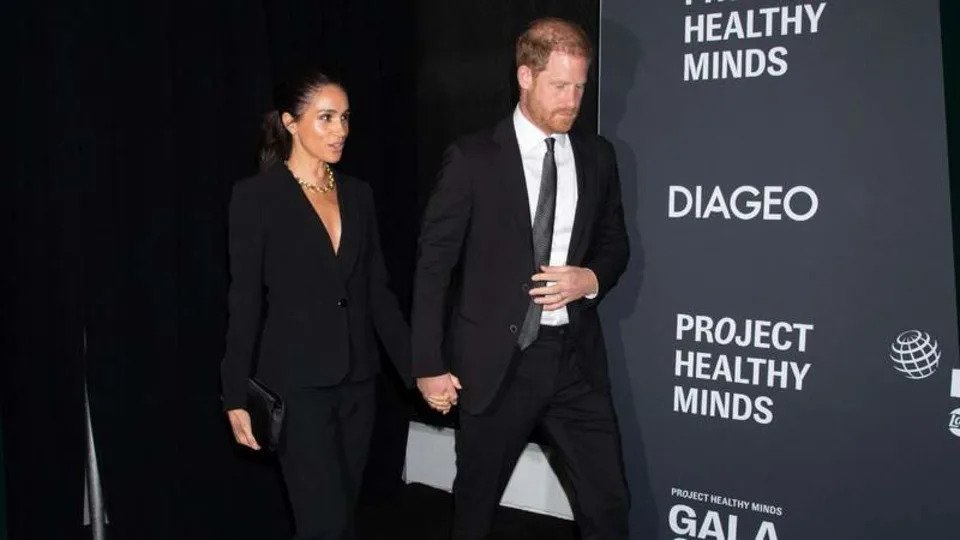
The latest trip was privately organised, commercially connected and politically sensitive, with several appearances tied to mental health events, business summits and paid lifestyle programming.
The controversy surrounding the visit was not driven by a single incident.
It was driven by a broader unresolved question that has followed Harry and Meghan since stepping back as working royals in 2020: whether they can simultaneously reject the operational structure of monarchy while continuing to benefit from royal status, titles and global recognition.
The phrase that Harry “missed being a royal prince” emerged from wider commentary surrounding the tour and from renewed scrutiny of his public behaviour, speeches and positioning during the visit.
What is confirmed is that the Australia trip deliberately resembled many features of a traditional royal tour despite having no formal connection to Buckingham Palace or the British government.
The couple visited hospitals, veterans’ organisations and charitable projects.
They travelled under their Duke and Duchess of Sussex titles.
Security arrangements resembled those associated with high-profile royal visits.
Public appearances were tightly controlled.
Media coverage repeatedly compared the trip with official tours conducted by working members of the royal family.
That overlap has become politically and commercially significant.
Critics in Britain and Australia argued the couple were effectively staging a parallel form of monarchy — often described as a “quasi-royal” model — combining humanitarian work, celebrity branding, media exposure and private commercial ventures.
Supporters of Harry and Meghan reject that criticism, arguing the couple are using their platform independently after leaving an institution they said damaged their mental health and personal safety.
Harry has repeatedly defended his decision to step back from royal duties, citing media pressure, security concerns and the experience of his mother Princess Diana.
During appearances in Australia, Harry again spoke openly about trauma, institutional pressure and emotional isolation inside royal life.
In one widely discussed event, he described feeling trapped by expectations after Diana’s death and suggested he had long struggled with the role assigned to him within the monarchy.
Yet the Australia tour also demonstrated that Harry’s public influence remains heavily tied to the symbolism of royalty itself.
The commercial value of speaking engagements, media attention and public fascination surrounding the Sussexes is inseparable from their royal identity.
That contradiction now defines much of the debate around the couple.
The timing of the visit intensified scrutiny.
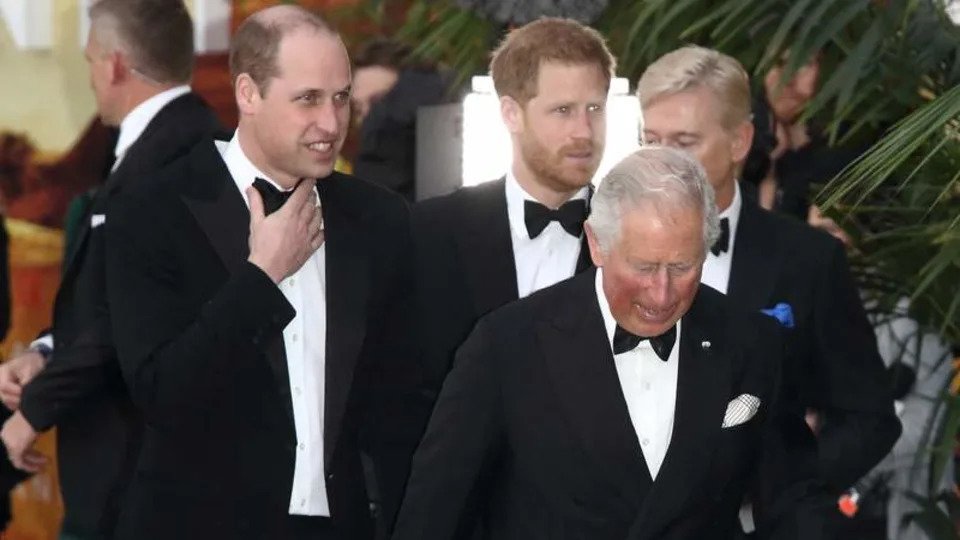
The tour occurred while King Charles III continues managing both constitutional duties and ongoing health treatment, and while the royal family faces broader pressures surrounding public relevance, generational transition and institutional stability.
Against that backdrop, Harry and Meghan’s highly visible international appearances were viewed by some royal observers as competing with official royal diplomacy while operating outside palace control.
Australian reaction was divided rather than uniformly hostile or supportive.
Crowds still gathered for some appearances and several organisations praised the couple’s advocacy work, particularly around mental health and veterans’ issues.
But the visit also generated criticism over security costs, commercial partnerships and the use of royal branding.
The debate exposed a deeper issue about the modern monarchy itself.
Royal status has historically depended on a strict exchange: public funding and ceremonial privilege in return for institutional service and political neutrality.
Harry and Meghan attempted to create a hybrid arrangement after leaving royal duties — retaining elements of status and identity while pursuing independent income and advocacy.
Buckingham Palace rejected that approach early in their exit negotiations, insisting there could be no partial royal role.
The Australia tour showed how unresolved that conflict remains years later.
Harry no longer performs constitutional duties, does not represent the British state and is no longer a working royal.
Yet global public interest in him still overwhelmingly derives from his position within the royal family.
That tension is particularly visible in Commonwealth countries like Australia, where the monarchy still carries constitutional significance.
Australia remains a constitutional monarchy under the British Crown, although republican sentiment periodically resurfaces.
Any high-profile royal-adjacent visit therefore carries political and symbolic weight beyond celebrity culture alone.
The Sussexes’ defenders argue that much of the criticism reflects unrealistic expectations that Harry permanently abandon all aspects of the identity he was born into.
Critics counter that the couple continue monetising royal association while publicly attacking the institution that created that status.
The practical reality is that both arguments contain elements of truth.
Harry cannot erase his royal identity because it defines his public life globally.
But neither can he fully detach that identity from the institution he left.
Every international appearance therefore reopens the same unresolved debate over legitimacy, duty, privilege and commercialisation.
The Australia visit ultimately demonstrated that Prince Harry’s relationship with royalty is no longer defined by constitutional responsibility but by public perception, media economics and personal reinvention.
Even outside palace walls, the monarchy remains the framework through which his actions are interpreted, criticised and valued.
That reality ensures future international tours by Harry and Meghan will continue to function not merely as celebrity appearances, but as unofficial tests of whether a post-royal public identity can survive while still carrying the language, symbolism and commercial power of monarchy itself.
Prince Harry and Meghan Markle returned to Australia this year for their first major visit since their 2018 royal tour, but the atmosphere was markedly different.
Their earlier visit had been an official Commonwealth tour conducted on behalf of the monarchy, attracting huge crowds and intense public enthusiasm.
The latest trip was privately organised, commercially connected and politically sensitive, with several appearances tied to mental health events, business summits and paid lifestyle programming.
The controversy surrounding the visit was not driven by a single incident.
It was driven by a broader unresolved question that has followed Harry and Meghan since stepping back as working royals in 2020: whether they can simultaneously reject the operational structure of monarchy while continuing to benefit from royal status, titles and global recognition.
The phrase that Harry “missed being a royal prince” emerged from wider commentary surrounding the tour and from renewed scrutiny of his public behaviour, speeches and positioning during the visit.
What is confirmed is that the Australia trip deliberately resembled many features of a traditional royal tour despite having no formal connection to Buckingham Palace or the British government.
The couple visited hospitals, veterans’ organisations and charitable projects.
They travelled under their Duke and Duchess of Sussex titles.
Security arrangements resembled those associated with high-profile royal visits.
Public appearances were tightly controlled.
Media coverage repeatedly compared the trip with official tours conducted by working members of the royal family.
That overlap has become politically and commercially significant.
Critics in Britain and Australia argued the couple were effectively staging a parallel form of monarchy — often described as a “quasi-royal” model — combining humanitarian work, celebrity branding, media exposure and private commercial ventures.
Supporters of Harry and Meghan reject that criticism, arguing the couple are using their platform independently after leaving an institution they said damaged their mental health and personal safety.
Harry has repeatedly defended his decision to step back from royal duties, citing media pressure, security concerns and the experience of his mother Princess Diana.
During appearances in Australia, Harry again spoke openly about trauma, institutional pressure and emotional isolation inside royal life.
In one widely discussed event, he described feeling trapped by expectations after Diana’s death and suggested he had long struggled with the role assigned to him within the monarchy.
Yet the Australia tour also demonstrated that Harry’s public influence remains heavily tied to the symbolism of royalty itself.
The commercial value of speaking engagements, media attention and public fascination surrounding the Sussexes is inseparable from their royal identity.
That contradiction now defines much of the debate around the couple.
The timing of the visit intensified scrutiny.
The tour occurred while King Charles III continues managing both constitutional duties and ongoing health treatment, and while the royal family faces broader pressures surrounding public relevance, generational transition and institutional stability.
Against that backdrop, Harry and Meghan’s highly visible international appearances were viewed by some royal observers as competing with official royal diplomacy while operating outside palace control.
Australian reaction was divided rather than uniformly hostile or supportive.
Crowds still gathered for some appearances and several organisations praised the couple’s advocacy work, particularly around mental health and veterans’ issues.
But the visit also generated criticism over security costs, commercial partnerships and the use of royal branding.
The debate exposed a deeper issue about the modern monarchy itself.
Royal status has historically depended on a strict exchange: public funding and ceremonial privilege in return for institutional service and political neutrality.
Harry and Meghan attempted to create a hybrid arrangement after leaving royal duties — retaining elements of status and identity while pursuing independent income and advocacy.
Buckingham Palace rejected that approach early in their exit negotiations, insisting there could be no partial royal role.
The Australia tour showed how unresolved that conflict remains years later.
Harry no longer performs constitutional duties, does not represent the British state and is no longer a working royal.
Yet global public interest in him still overwhelmingly derives from his position within the royal family.
That tension is particularly visible in Commonwealth countries like Australia, where the monarchy still carries constitutional significance.
Australia remains a constitutional monarchy under the British Crown, although republican sentiment periodically resurfaces.
Any high-profile royal-adjacent visit therefore carries political and symbolic weight beyond celebrity culture alone.
The Sussexes’ defenders argue that much of the criticism reflects unrealistic expectations that Harry permanently abandon all aspects of the identity he was born into.
Critics counter that the couple continue monetising royal association while publicly attacking the institution that created that status.
The practical reality is that both arguments contain elements of truth.
Harry cannot erase his royal identity because it defines his public life globally.
But neither can he fully detach that identity from the institution he left.
Every international appearance therefore reopens the same unresolved debate over legitimacy, duty, privilege and commercialisation.
The Australia visit ultimately demonstrated that Prince Harry’s relationship with royalty is no longer defined by constitutional responsibility but by public perception, media economics and personal reinvention.
Even outside palace walls, the monarchy remains the framework through which his actions are interpreted, criticised and valued.
That reality ensures future international tours by Harry and Meghan will continue to function not merely as celebrity appearances, but as unofficial tests of whether a post-royal public identity can survive while still carrying the language, symbolism and commercial power of monarchy itself.