UK Government Weighs Food Price Controls Amid Cost-of-Living Pressure
Proposal linked to Labour’s fiscal strategy signals potential intervention in supermarket pricing as inflation concerns and household costs remain politically sensitive
SYSTEM-DRIVEN pressure over the UK cost-of-living framework is intensifying as senior policymakers explore whether supermarket food prices could be subject to voluntary freezes or broader forms of price restraint.
The discussion, linked to Chancellor Rachel Reeves’ broader economic agenda, reflects growing political pressure to address persistent household expense levels, particularly in essential goods such as groceries.
What is confirmed is that food inflation and living costs remain a central economic and political challenge in the UK, with households continuing to face elevated prices despite easing inflation in some other sectors.
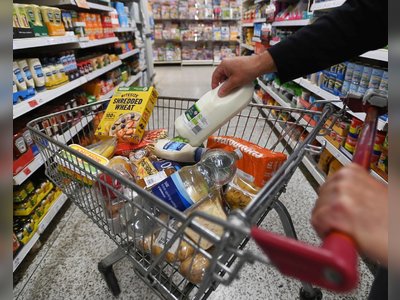
Food and non-alcoholic beverages have remained among the most visible drivers of public concern because they affect every household regardless of income, making them a politically sensitive focal point for government policy.
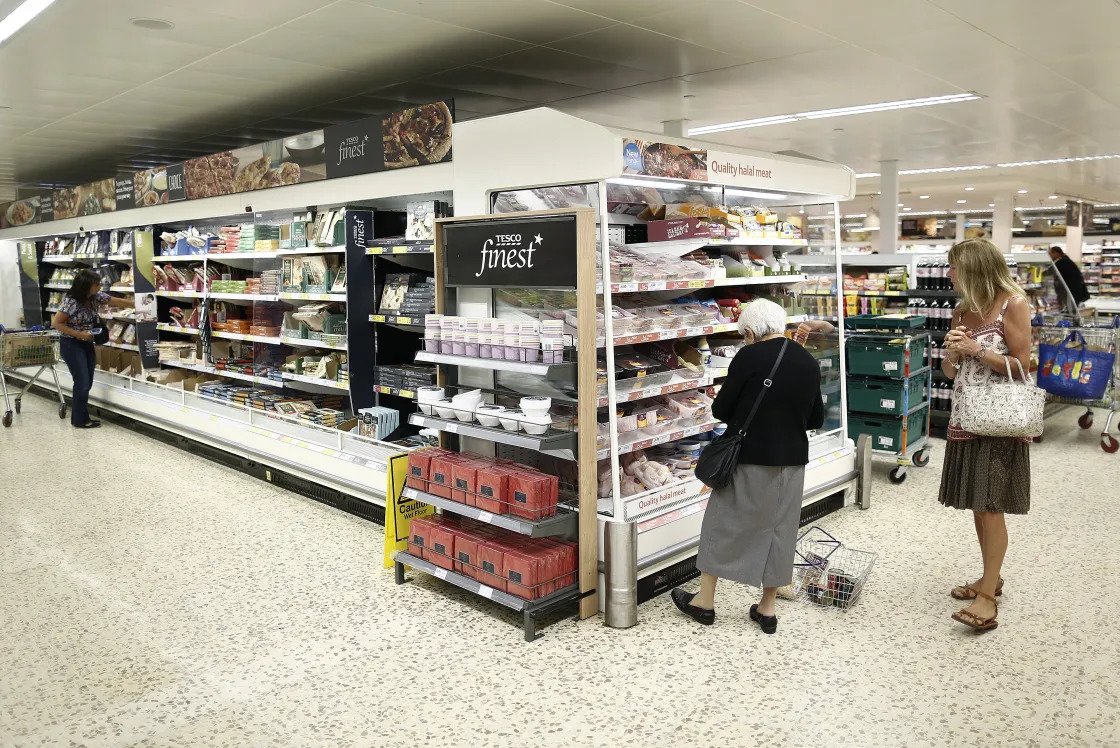
The idea being examined involves encouraging major supermarkets to consider voluntary price freezes or targeted limits on increases for essential food items.
This would not amount to formal price controls imposed by law, but rather a negotiated or incentivised approach intended to moderate price rises without direct regulatory intervention.
The mechanism under discussion reflects a broader attempt to balance market-based pricing with political expectations to reduce cost pressures on consumers.
Retailers operate within tight margins influenced by global commodity prices, energy costs, labour expenses, and supply chain volatility.
Any effort to constrain retail pricing therefore interacts directly with these underlying cost structures.
While supermarkets may be able to absorb short-term price restraint on selected goods, sustained limits could shift pricing pressures elsewhere in product ranges or reduce investment in supply chain efficiency.
The political context is shaped by Labour’s need to demonstrate responsiveness to household financial strain while maintaining credibility with markets and avoiding interventions that could be perceived as distortionary.
Rachel Reeves’ economic positioning has emphasised fiscal discipline and market stability, meaning any move toward price interventions is likely to be framed as voluntary cooperation with industry rather than statutory control.
For consumers, even modest reductions or freezes in essential food prices would have immediate psychological and financial impact, particularly for lower-income households where food accounts for a larger share of total spending.
However, the effectiveness of voluntary price restraint depends heavily on retailer participation and broader input cost trends, limiting certainty about real-world outcomes.
For supermarkets, the proposal raises strategic questions about pricing autonomy, brand competition, and shareholder expectations.
Large chains may be more able to absorb targeted freezes on staple goods, but smaller retailers with thinner buffers could face greater strain if competitive pressure forces alignment with larger competitors.
The broader implication is that food pricing has become a proxy battleground for inflation politics in the UK. Even without formal regulation, the expectation of government-backed restraint signals increased scrutiny of corporate pricing strategies and places supermarkets at the centre of cost-of-living policy debates.
The direction of travel points toward closer coordination between government and retailers on essential goods pricing frameworks, reinforcing food affordability as a core political and economic priority.
The immediate outcome is a growing expectation that major UK supermarkets will engage directly with government on voluntary pricing commitments for essential goods as part of ongoing efforts to manage household costs.
The discussion, linked to Chancellor Rachel Reeves’ broader economic agenda, reflects growing political pressure to address persistent household expense levels, particularly in essential goods such as groceries.
What is confirmed is that food inflation and living costs remain a central economic and political challenge in the UK, with households continuing to face elevated prices despite easing inflation in some other sectors.
Food and non-alcoholic beverages have remained among the most visible drivers of public concern because they affect every household regardless of income, making them a politically sensitive focal point for government policy.
The idea being examined involves encouraging major supermarkets to consider voluntary price freezes or targeted limits on increases for essential food items.
This would not amount to formal price controls imposed by law, but rather a negotiated or incentivised approach intended to moderate price rises without direct regulatory intervention.
The mechanism under discussion reflects a broader attempt to balance market-based pricing with political expectations to reduce cost pressures on consumers.
Retailers operate within tight margins influenced by global commodity prices, energy costs, labour expenses, and supply chain volatility.
Any effort to constrain retail pricing therefore interacts directly with these underlying cost structures.
While supermarkets may be able to absorb short-term price restraint on selected goods, sustained limits could shift pricing pressures elsewhere in product ranges or reduce investment in supply chain efficiency.
The political context is shaped by Labour’s need to demonstrate responsiveness to household financial strain while maintaining credibility with markets and avoiding interventions that could be perceived as distortionary.
Rachel Reeves’ economic positioning has emphasised fiscal discipline and market stability, meaning any move toward price interventions is likely to be framed as voluntary cooperation with industry rather than statutory control.
For consumers, even modest reductions or freezes in essential food prices would have immediate psychological and financial impact, particularly for lower-income households where food accounts for a larger share of total spending.
However, the effectiveness of voluntary price restraint depends heavily on retailer participation and broader input cost trends, limiting certainty about real-world outcomes.
For supermarkets, the proposal raises strategic questions about pricing autonomy, brand competition, and shareholder expectations.
Large chains may be more able to absorb targeted freezes on staple goods, but smaller retailers with thinner buffers could face greater strain if competitive pressure forces alignment with larger competitors.
The broader implication is that food pricing has become a proxy battleground for inflation politics in the UK. Even without formal regulation, the expectation of government-backed restraint signals increased scrutiny of corporate pricing strategies and places supermarkets at the centre of cost-of-living policy debates.
The direction of travel points toward closer coordination between government and retailers on essential goods pricing frameworks, reinforcing food affordability as a core political and economic priority.
The immediate outcome is a growing expectation that major UK supermarkets will engage directly with government on voluntary pricing commitments for essential goods as part of ongoing efforts to manage household costs.