

Lebanon Needs You to Buy Its Wines. And, Yes, They’re Really Good
Massive explosions rocked Beirut’s huge port last month, killing more than 200 people. The owners of Château Marsyas winery were injured in their commercial office just 600 meters away and crawled through debris from fallen walls and ceilings to escape. Two weeks later, they were harvesting grapes at their vineyards in Lebanon’s Bekaa Valley.
That’s the kind of resilience winemakers have in this tiny country on the eastern Mediterranean coast, squeezed between Israel and Syria.
The blast was the latest catastrophe in a year of multiple disasters: social unrest, a political crisis, economic collapse, and a Covid-19 lockdown. The value of the Lebanese pound sank 80%.
Because of currency devaluation, explains Marc Hochar, whose family owns the country’s most famous estate, Château Musar, wineries can’t increase local prices enough to cover the higher prices they must now pay to import bottles, labels, corks, tractors, and more—and they can’t take money out of banks.
“Exports,” says Elie Maamari of Château Ksara, a big winery, during a tasting over Zoom, “are our salvation.”
Will these disasters, just the latest in this country’s 6,000-year winemaking history, grab the world’s attention and translate into sales of its reds, whites, and rosés?
I hope so.
After sampling nearly 50 of them, I’m ready to tell you why you should become a fan. Some are better than others, but all are worth drinking, and most are bargains. Sadly, even the best are not always easy to find.
Here’s what you need to know.
Lebanon Wine Basics
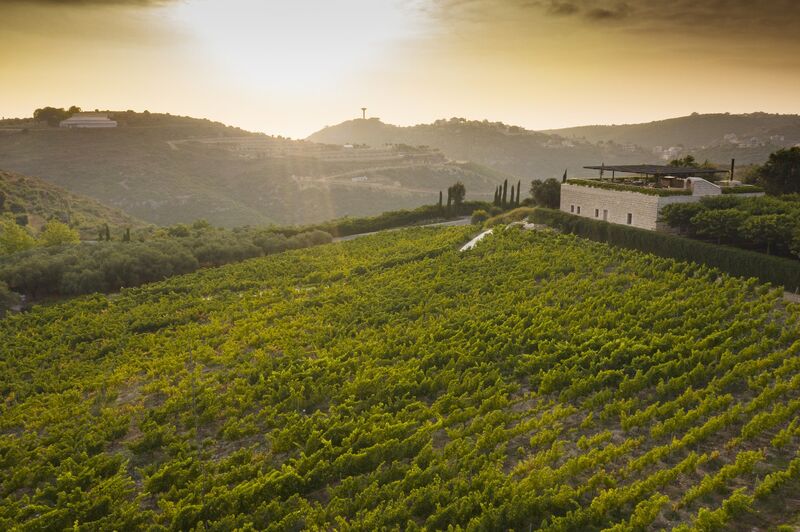
Rich, spicy, sensual reds are the country’s mainstay. They’re blends of familiar French grapes such as syrah, cabernet sauvignon, mourvedre, carignan, and cinsault. Rising star winemaker Faouzi Issa, of Domaine des Tourelles, bottles cinsault solo and calls it “the pinot noir of Lebanon.”
Luscious rosés boast heady floral aromas and savory flavors. Among the most exciting whites are lush-textured viognier and native varieties obeideh and merwah, which Musar pioneered long before people appreciated them.
Since the mid-2000s, talented young winemakers and boutique wineries have spurred experimentation and a vibrant wine scene. From five a couple of decades ago, the number of brands has grown to more than 50.
After a finance career in London, Naji Boutros returned home to found Château Belle-Vue, whose organic wines are on Michelin-starred lists.
One of the newest, Sept winery, hosts lunches and tastings in a garden with fabulous views.
**
Historic Château Kefraya has started aging wines in amphoras, a technique that harks back to the country’s earliest winemaking history. (Last week, National Geographic reported that archeologists had recently discovered a 2,600-year-old wine factory in the southern part of the country.)
You can see French influence in the choice of grape varieties, first planted by 19th century missionaries in the Bekaa Valley, the wide, high plateau 30 miles east of Beirut that’s still the country’s prime region. Many estates have French partners or winemaking consultants. Ixsir collaborates with Hubert de Bouard of Château Angelus to create wines in the hilly Batroun district by the coast. The latest goal is to create wines that are more distinctly Lebanese.
Making wine in this conflict-ridden zone has never been easy. Everyone has frightening stories of war and survival, including harvesting as bombs were falling. (A feature-length documentary on Lebanon, Wine and War, will be released in the U.S. on Oct. 2.)
Legendary wine figure Serge Hochar of Château Musar, who died in 2014, made wine throughout the country’s 15-year civil war. (His extraordinary tales are in a recently released book, Château Musar.) Today, the conflict in Syria looms: Close to 1 million refugees live in camps on the road from Beirut to historic Domaine des Tourelles.
But winemakers are anxious to move beyond all that. They wish to let their wines speak the language of hope and the future.
Sami Ghosn of Massaya emailed that the future of Lebanese wines has never been brighter. “We are on a mission to keep producing them and spreading the message of civility, tolerance, and identity from our Mediterranean shores to the world.”
Lebanese Wines Bottle-Buying Guide
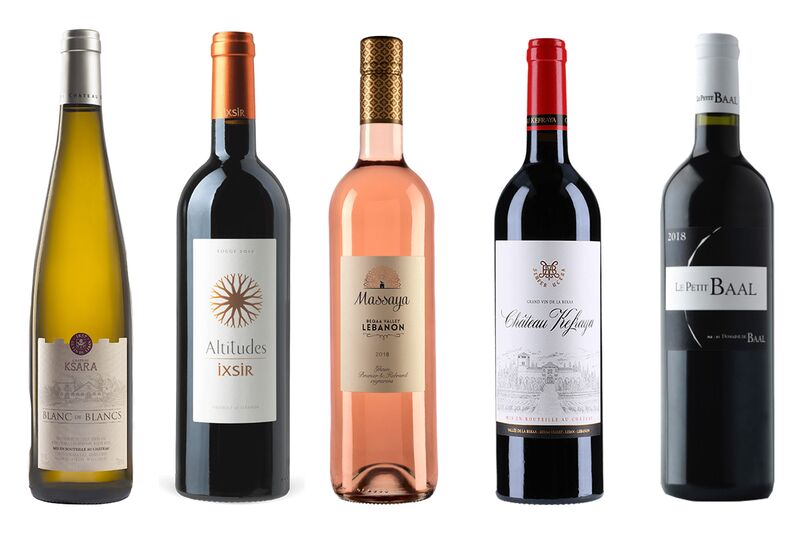
2018 Château Ksara Blanc de Blancs ($14)
With floral aromas and mineral and fruit flavors, this lively blend of sauvignon blanc, chardonnay, and semillon from an historic winery reminds me of northern Italian whites. (Also look for the winery’s new white from native grape merwah.)
2016 Ixsir Altitudes Rouge ($16)
Founded in 2008, Ixsir boasts a stunning stone winery that’s one of the greenest buildings in the world, along with vineyards at 5,900 feet. The wines have a sophisticated touch; this bargain entry-level red is soft-textured and bright.
2019 Massaya Rosé ($17)
An appealing savory rosé made from cinsault grapes, this has more oomph and fruit than Provence examples. Massaya, a joint venture of wine families from Lebanon, the Rhône Valley, and Bordeaux, also makes very good value reds, such as Le Colombier ($15).
2015 Château Kefraya ($22)
This silky cabernet and syrah-based estate blend is a big, rich mouthful of spice, earth, and dark fruit flavors. (Right now, it’s more appealing than the winery’s flagship Comte de M, which needs additional time to age.)
2018 Domaine de Baal Le Petit Baal red ($23)
This pure, fruity, entry-level organic syrah-merlot blend comes from a boutique winery on the slopes of Mount Lebanon that also makes a stellar estate white blend.
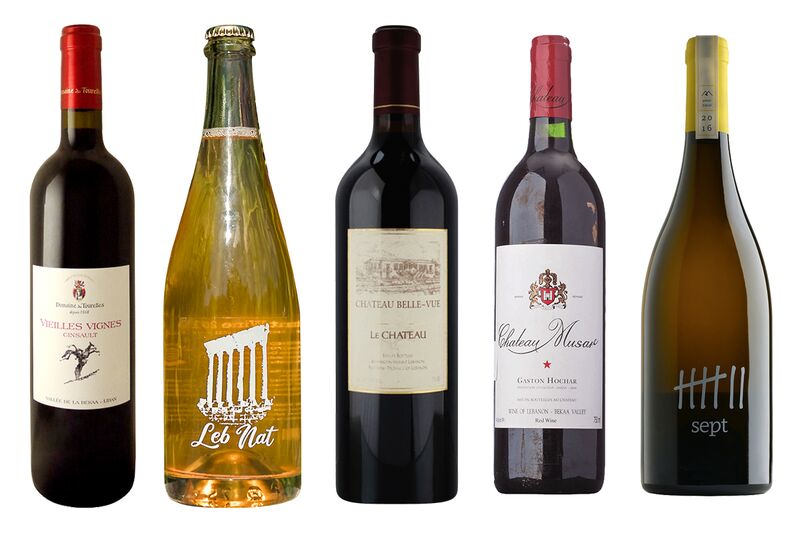
2017 Domaine des Tourelles Vieilles Vignes Cinsault ($24)
This bright, food-friendly red from 70-year-old vines has aromas of rose petals with orange blossoms and wild cherry flavors.
2019 Couvent Rouge Leb Nat Gold ($32)
Peter Weltman of Borderless Wine Alliance created Lebanon’s first naturally fizzy “pét-nats” with Couvent Rouge winery. I tend toward this fresh, intense white version, a blend of viognier and grenache blanc, which has mineral zing and orange zest notes.
2011 Chateau Belle-Vue Le Château ($50)
This plush cabernet franc-syrah blend from high altitude organic vineyards is sensual, powerful, and polished, with hints of cocoa and warm fruit.
2013 Château Musar Rouge ($51)
The winery’s complex organic reds and whites include this spicy estate blend of cabernet sauvignon, carignan, and cinsault. It perfectly balances herb and fruit richness with a soft, elegant texture, and can age 30 years. A second wine, Hochar ($33), is a bargain.
2018 Sept Obeideh ($56)
One of Lebanon’s newest wineries uses native white grape obeideh for this round, subtle, jasmine-scented wine that shows citrus and mineral hints. The vineyards, in the hills above the coastal town of Batroun, are farmed biodynamically.