

I don't have ADHD, but three private clinics say I do
"You fit the criteria for ADHD very well. You'll have it in writing, officially that you have been diagnosed. There is no expiration date for this. You were diagnosed for life," says the psychologist through the computer screen, as I sit at my kitchen table.
I am working undercover, using my middle name James, to investigate private clinics that can offer ADHD assessments at a time when NHS waiting times have risen, in some areas, to more than five years.
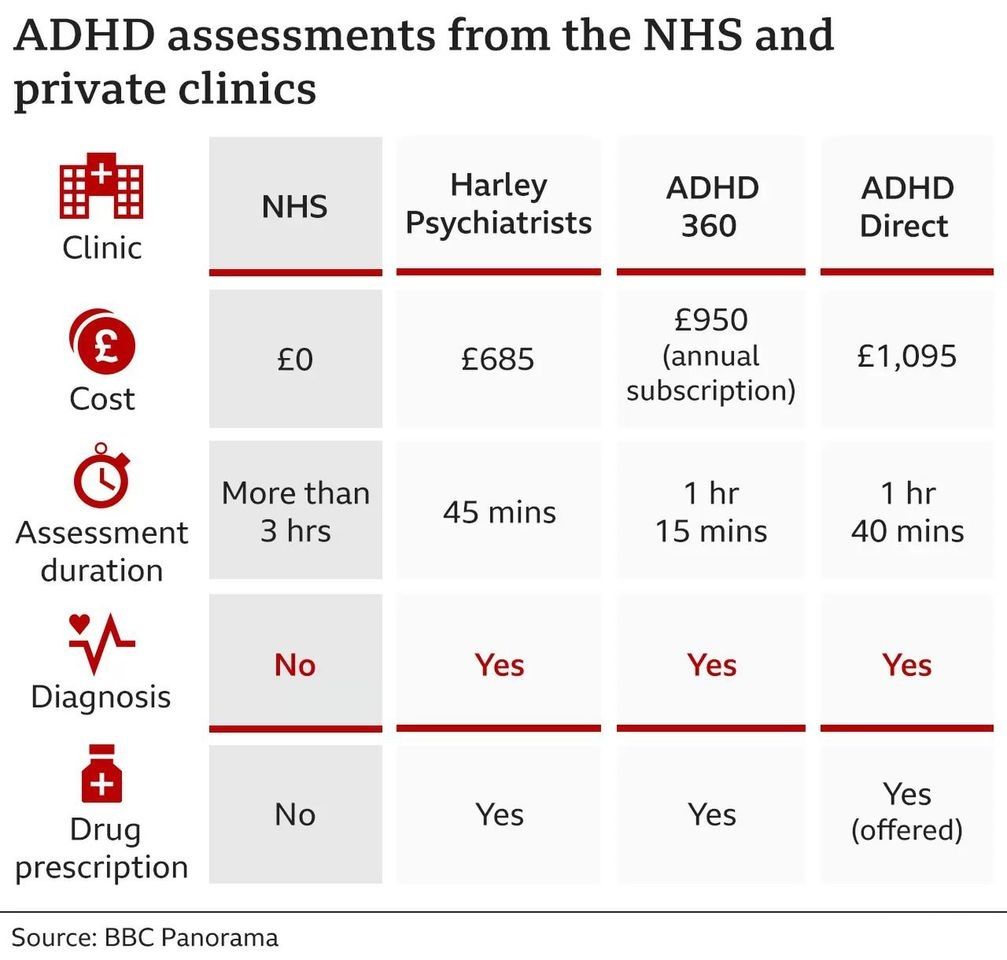
The assessment over Zoom, with a clinic called Harley Psychiatrists, costs £685 and takes 45 minutes. As my assessor asks her quick-fire questions, she appears to be slouched on a sofa wearing a tracksuit top.
"Did I have problems concentrating at school?"
I try my best to answer but the screen keeps wobbling as she struggles to get comfortable. The whole time she plays with her hair and I get the sense she isn't focusing completely.
At the end, she diagnoses me with ADHD - a lifelong condition. It is a neurodevelopmental disorder, with symptoms falling into two categories - inattentiveness, plus hyperactivity and impulsiveness.
Stunned, all I can say back to my assessor is: "It's a lot to take in."
Things were very different when I met Dr Mike Smith, a consultant psychiatrist who leads a specialist adult ADHD service in the NHS. I told him about my investigation and he said he also had concerns about how some private providers were operating. He agreed to show me how an assessment should be carried out.
Ahead of the appointment at his Leeds clinic, my mum, girlfriend and I were forwarded forms to fill out - collecting information on my habits, from my childhood up to now. They took hours to complete. Dr Smith was even interested in reading my school reports.
He warned me when I arrived: "This is going to get very personal. Are you OK with that?"
In truth, I wasn't prepared for what followed. I was under the impression I was just going to spend the next couple of hours answering questions about my lack of focus, but Dr Smith wanted to get a full picture of my mental health. I found myself telling him about some of my hardest times.
When I was 14, I witnessed the aftermath of my sisters being knocked down by a car. Ailis survived, Claire - who was 11 - died. Almost 17 years to the day, my dad died unexpectedly. I was a different person after those events. The reason I am sharing this is because I was told the effect of such trauma can sometimes manifest itself into symptoms similar to ADHD.
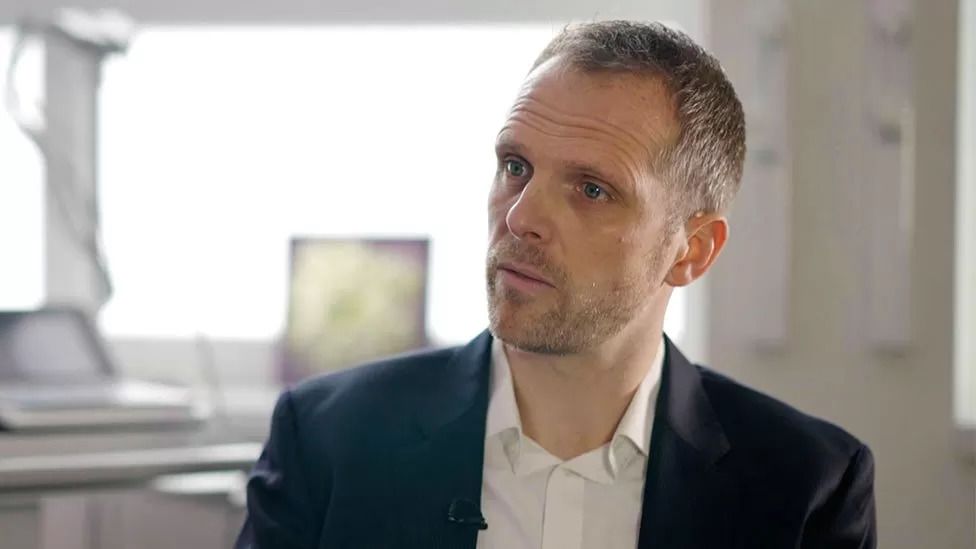 "You do not have ADHD," said NHS consultant Dr Mike Smith
A friend of mine - who had been privately diagnosed with the condition - had once suggested to me that I might have it too. Some of ADHD's recognised symptoms felt uncomfortably familiar - I can forget things, I fidget, I will on occasion zone out of long meetings.
My social media feeds had been filling up with videos talking about ADHD and I could relate to them. But on the whole, I was dubious about whether they related to me. None of these things seemed to really impact my life.
Dr Smith took the time to explore these life-altering moments and the struggles they have caused. He says that when considering the symptoms a patient describes - such as finding it hard to focus - it's important to differentiate between ADHD and other things that may explain them, such as the effects of trauma.
Before diagnosing someone with ADHD, it is also vital to establish that any symptoms are having a serious impact on their life.
"I can't see any evidence you've got any serious problem with your concentration, your hyper-activity, or your level of activity, or impulsivity," Dr Smith told me, after more than three gruelling hours.
"You do not have ADHD."
Contrast this lengthy deep dive into my life and personality with the consultation I received at Harley Psychiatrists - during which there was no interrogation of how prevalent or serious any of my symptoms were. There were few follow-up questions.
Admittedly I was relieved I didn't have to go over any of the traumatic experiences in my life again, but I felt like the psychologist had missed some crucial background.
The National Institute for Health and Care Excellence (NICE) sets out how individuals should be diagnosed in the UK with ADHD. To meet the threshold, a patient will have a persistent pattern of inattention and/or hyperactivity-impulsivity symptoms, which often include:
* Being distracted, forgetful, losing important objects and having trouble listening and holding attention
* Having trouble starting, organising and finishing tasks - and often making mistakes
* Being restless, fidgety or unable to sit still and always on the go
* Chatting loudly and excessively, interrupting others and jumping ahead in conversations
Dr Smith - the NHS consultant - told me I hadn't met the clinical threshold for any of the 18 symptoms associated with ADHD.
By comparison, the psychologist who assessed me for Harley Psychiatrists told me I had met the threshold for 15 out of the 18 ADHD symptoms. A week later, I discussed treatment plans with a psychiatrist working for the company. This lasted less than 10 minutes and I was quickly prescribed a stimulant commonly used to treat ADHD. There was also no mention of other treatments, such as talking therapy.
The medication interacts with chemicals in the brain and can help someone with the condition concentrate better, be less impulsive and feel calmer.
The powerful controlled drug is safe and effective if prescribed properly, but it has the potential to cause serious side effects. ADHD medication can cause insomnia, elevated heart rate and high blood pressure - and in rare cases panic attacks, psychosis and seizures. But the psychiatrists from Harley Psychiatrists simply advised me to have a good breakfast before taking it, without talking through the potential serious side effects.
Harley Psychiatrists' lawyers told the BBC that clinicians also take account of information in pre-assessment forms,. They said: "diagnosis of ADHD… depends on the answers given by the patient" and that there had been "numerous patients [assessed by the clinic] not diagnosed with ADHD".
"The suggestion our client is misdiagnosing adults with ADHD is untrue," they said, as was the suggestion that adequate checks were not being conducted.
The clinic accepts that I "should not have been able to obtain a prescription", and has updated its processes.
Lawyers for the psychologist who first assessed me said that while her testing had produced results "indicative of a patient having ADHD", such a "diagnosis is formally made by a psychiatrist".
Lawyers for the psychiatrist who prescribed the drugs said their client stood by his diagnosis - and would "normally take between 30 and 45 minutes", but in this case he "did not consider it necessary" because of the psychologist's report.
I think I'd have felt more reassured if I could have seen both the psychologist and the psychiatrist in person. But this wasn't an option, despite the company website saying its "main clinic" was located on Harley Street, central London's prestigious medical neighbourhood.
When I later visited the address listed on Harley Psychiatrists' website, I was told over the intercom that there were no psychiatrists on site. Harley later told us it has routinely seen patients at that location, even though it doesn't have a permanent clinic on the site.
This whole investigation began when Panorama received an email from a concerned mother. She had written to us to say she felt her 21-year-old daughter had been diagnosed too quickly by a private clinic and that it had prescribed her strong drugs with no proper follow-up care.
As I started to research the subject - speaking to NHS staff, specialists, academics, former patients and whistleblower staff at private clinics - I heard a common refrain.
"If you're willing to pay for an assessment, you'll get a diagnosis."
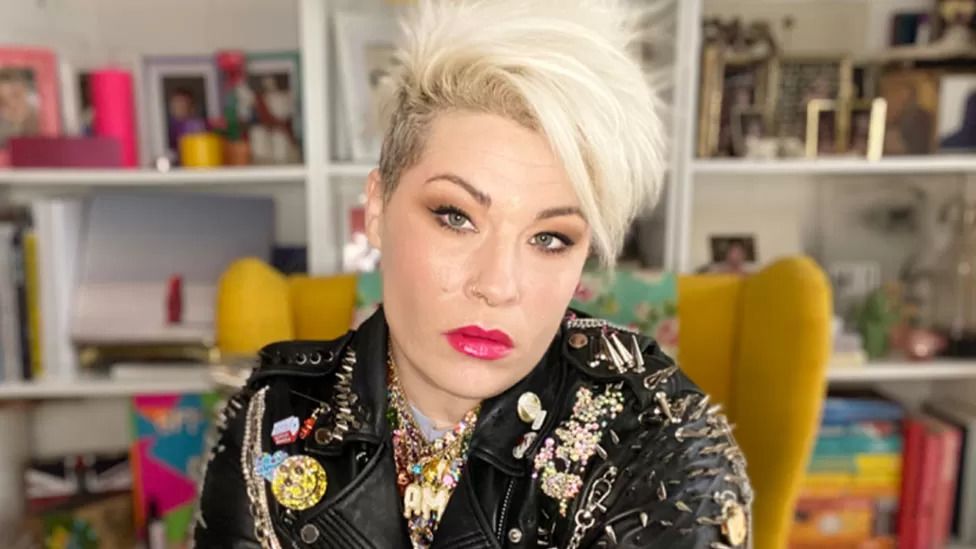 "I can't imagine them saying, 'No, you don't have it'," says former patient Casey
A former Harley Psychiatrists' patient I spoke to - Casey - says she chose the company for the name, its location and positive online reviews. Casey was being treated on the NHS for anxiety, but says after seeing an Instagram post about ADHD she became convinced that she had that too.
Put off by the long NHS waiting lists, she borrowed the money to book a £685 appointment. Her experience was similar to mine. She was diagnosed in two stages - with a psychologist assessment, followed by a video call with a psychiatrist. The appointments lasted similar lengths of time to mine and she was prescribed stimulant medication at the end.
"It was kind of like a diagnostic factory," she recalls.
"If I didn't have ADHD," she said, "I can't imagine them saying, 'No, you don't have it.'"
Casey says her calls and emails were frequently ignored - and yet the clinic was quick to make contact when she posted a negative review online, demanding that she remove it.
The clinic emailed her saying her "false review and all other correspondence" had been passed on to its "legal department".
Casey says she felt deeply upset by the experience and - after leaving Harley Psychiatrists - she was signed off work for four months. Since then, Casey has been seeing a different psychiatrist and her care has improved.
Lawyers for Harley Psychiatrists say they have never sought the removal of negative reviews that were truthful, only those that they claim contained falsehoods.
By the time I was booked in for my second private assessment with a company called ADHD 360, I had an idea of what to expect. ADHD 360 is a private provider that has won a number of NHS contracts.
The government is keen to outsource NHS work to private firms to tackle lengthy waiting times. However, we had been told by patients, former staff and some within the NHS, that there were serious concerns regarding how ADHD 360 assessed people.
It cost £950 to be assessed and treated by ADHD 360, and my online assessment - carried out by a pharmacist - was longer than with Harley Psychiatrists, lasting just over an hour. There were more follow-up questions about some of the answers I had given, but it did not feel thorough.
At one point, I did mention that my sister had died, but the clinician - who seemed to be uncomfortable by what I just said - moved on quickly. There was also an interlude as we discussed our favourite Leeds United players.
The assessor totted up my scores from what appeared to be a checklist of symptoms, confirmed that I met the criteria for ADHD, and proceeded to prescribe a higher dose of stimulant medication than had been recommended by Harley Psychiatrists.
ADHD 360 told us it is regulated as an NHS provider and delivers "high standard assessment, diagnosis, treatment and care" for thousands of patients. Its "qualified clinicians" are trained in its own academy and its "assessments meet all accepted best practices". It said on this occasion its "prescription policy was regrettably not followed", and "procedures have now been reviewed" and enhanced.
My final online assessment - with ADHD Direct in Glasgow - cost £1,095 and was conducted by a nurse. She was new, and so was being supervised by another nurse. The assessment was a little longer - one hour and 40 minutes - and I had a follow-up appointment three weeks later to get my results.
Once again, I was told I had ADHD and offered stimulant medication, but this time I told the clinic I was a reporter before I got my prescription.
Lawyers for ADHD Direct told us there would have been more checks before I was prescribed any drugs - and that the clinic stood by its diagnosis and had carried out a "full developmental and psychiatric history".
A company audit had shown that 10% of patients seen did not have ADHD and that there was "no incentive… to over-diagnose" - they said.
So despite having had a comprehensive NHS assessment carried out by a consultant psychiatrist which concluded that I don't have ADHD - I now also had three private diagnoses saying the opposite.
There's no doubt that many people who go private will have ADHD.
But my investigation shows how some clinics hand out unreliable diagnoses - and that can put vulnerable patients at risk.