France Moves to Join UK–Germany Long-Range Missile Programme in Push for European Deep-Strike Capability
Paris seeks entry into a trilateral European missile initiative aimed at developing 2,000km-range ground-launched weapons amid rising concern over US reliability and Russia deterrence
France is seeking to join a UK–German programme to develop long-range ground-launched missiles, marking a significant shift in Europe’s effort to build independent deep-strike military capability.
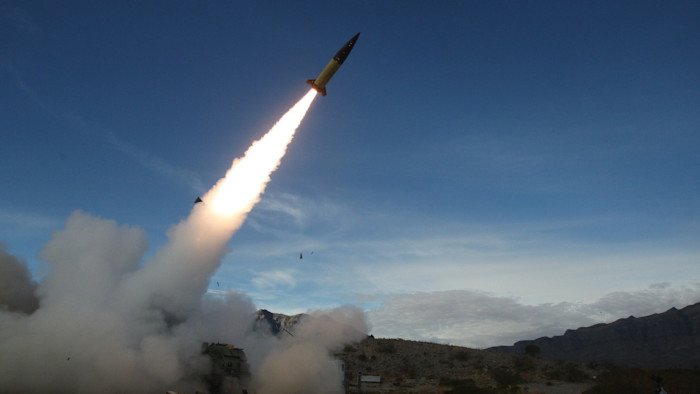
The initiative, originally launched by the United Kingdom and Germany, aims to create a new family of precision missiles with ranges exceeding 2,000 kilometres, designed to strike high-value military targets deep inside adversary territory without reliance on United States systems.
The programme sits within a broader European effort to close a long-recognised capability gap exposed by the war in Ukraine, where long-range strike systems have become central to battlefield strategy.
European militaries currently rely heavily on systems such as Storm Shadow and Taurus-class cruise missiles, which typically have ranges of around 500 kilometres, significantly below the planned next-generation systems.
The proposed missiles are intended to extend reach several times beyond that threshold, fundamentally changing Europe’s conventional deterrence posture.
What is confirmed is that France has expressed formal interest in joining discussions with London and Berlin, with trilateral talks expected in the near term.
The UK–Germany programme itself was launched under a bilateral defence framework agreed in 2024 and has since been described as a flagship effort to build sovereign European strike capability.
Germany has publicly acknowledged France’s interest, and there is reported openness in Berlin to expanding the partnership.
However, British officials are more cautious, reflecting concerns that adding a third major industrial actor could complicate governance, intellectual property arrangements, and workshare balance.
The initiative is part of a wider European strategic shift toward what policymakers describe as “deep precision strike” capability.
This includes not only missile range expansion but also integration with intelligence, surveillance, and targeting networks.
Parallel projects, such as Franco-German early warning cooperation and broader NATO air and missile defence planning, are designed to ensure that longer-range weapons can be used effectively within coordinated command structures.
France’s motivation for joining the programme reflects both industrial and strategic calculations.
Paris has been developing its own long-range strike concepts, including potential ballistic or extended-range cruise missile systems, but participation in a multinational programme would give it access to shared technology development and production scale.
It also aligns with France’s broader push to reinforce European strategic autonomy, complementing its nuclear deterrent with a stronger layer of conventional strategic weapons.
The UK–Germany programme is also influenced by changing perceptions of transatlantic security guarantees.
European governments have increasingly questioned the long-term reliability of US military deployments and rapid reinforcement commitments, particularly regarding high-end conventional strike capabilities.
This has accelerated investment in indigenous systems designed to operate independently within NATO frameworks.
Industrial considerations remain central to negotiations.
European defence firms, including major aerospace and missile manufacturers, are expected to play key roles in propulsion systems, guidance technology, and airframe design.
One potential area of cooperation is rocket booster and propulsion development, where France has established industrial capacity could complement British and German systems engineering.
Despite political alignment on the need for deeper strike capabilities, past experience shows that multinational European weapons programmes often face friction over design control, production shares, and export rules.
Previous large-scale defence collaborations have encountered delays or restructuring due to conflicting national priorities, and similar concerns are now shaping discussions around missile development governance.
If France formally joins the UK–Germany initiative, the programme would effectively become the core of a wider European long-range strike architecture, integrating three of the continent’s largest military-industrial powers.
That shift would accelerate development timelines but also increase the complexity of aligning doctrine, technology standards, and procurement decisions across multiple governments.
The immediate next step is expected trilateral negotiations in the coming weeks, where participants will attempt to define France’s role in the programme’s structure, industrial contribution, and technical requirements.
The outcome will determine whether Europe’s emerging deep-strike capability develops as a bilateral project expanded to include France, or as a broader multinational system shaping the continent’s long-range deterrence posture for the next decade.
The initiative, originally launched by the United Kingdom and Germany, aims to create a new family of precision missiles with ranges exceeding 2,000 kilometres, designed to strike high-value military targets deep inside adversary territory without reliance on United States systems.
The programme sits within a broader European effort to close a long-recognised capability gap exposed by the war in Ukraine, where long-range strike systems have become central to battlefield strategy.
European militaries currently rely heavily on systems such as Storm Shadow and Taurus-class cruise missiles, which typically have ranges of around 500 kilometres, significantly below the planned next-generation systems.
The proposed missiles are intended to extend reach several times beyond that threshold, fundamentally changing Europe’s conventional deterrence posture.
What is confirmed is that France has expressed formal interest in joining discussions with London and Berlin, with trilateral talks expected in the near term.
The UK–Germany programme itself was launched under a bilateral defence framework agreed in 2024 and has since been described as a flagship effort to build sovereign European strike capability.
Germany has publicly acknowledged France’s interest, and there is reported openness in Berlin to expanding the partnership.
However, British officials are more cautious, reflecting concerns that adding a third major industrial actor could complicate governance, intellectual property arrangements, and workshare balance.
The initiative is part of a wider European strategic shift toward what policymakers describe as “deep precision strike” capability.
This includes not only missile range expansion but also integration with intelligence, surveillance, and targeting networks.
Parallel projects, such as Franco-German early warning cooperation and broader NATO air and missile defence planning, are designed to ensure that longer-range weapons can be used effectively within coordinated command structures.
France’s motivation for joining the programme reflects both industrial and strategic calculations.
Paris has been developing its own long-range strike concepts, including potential ballistic or extended-range cruise missile systems, but participation in a multinational programme would give it access to shared technology development and production scale.
It also aligns with France’s broader push to reinforce European strategic autonomy, complementing its nuclear deterrent with a stronger layer of conventional strategic weapons.
The UK–Germany programme is also influenced by changing perceptions of transatlantic security guarantees.
European governments have increasingly questioned the long-term reliability of US military deployments and rapid reinforcement commitments, particularly regarding high-end conventional strike capabilities.
This has accelerated investment in indigenous systems designed to operate independently within NATO frameworks.
Industrial considerations remain central to negotiations.
European defence firms, including major aerospace and missile manufacturers, are expected to play key roles in propulsion systems, guidance technology, and airframe design.
One potential area of cooperation is rocket booster and propulsion development, where France has established industrial capacity could complement British and German systems engineering.
Despite political alignment on the need for deeper strike capabilities, past experience shows that multinational European weapons programmes often face friction over design control, production shares, and export rules.
Previous large-scale defence collaborations have encountered delays or restructuring due to conflicting national priorities, and similar concerns are now shaping discussions around missile development governance.
If France formally joins the UK–Germany initiative, the programme would effectively become the core of a wider European long-range strike architecture, integrating three of the continent’s largest military-industrial powers.
That shift would accelerate development timelines but also increase the complexity of aligning doctrine, technology standards, and procurement decisions across multiple governments.
The immediate next step is expected trilateral negotiations in the coming weeks, where participants will attempt to define France’s role in the programme’s structure, industrial contribution, and technical requirements.
The outcome will determine whether Europe’s emerging deep-strike capability develops as a bilateral project expanded to include France, or as a broader multinational system shaping the continent’s long-range deterrence posture for the next decade.