Eight Years in Prison for Harvard Morgue Manager Who Trafficked in Human Organs
A former Harvard Medical School morgue manager was sentenced after admitting to stealing and selling body parts from donated cadavers over several years.
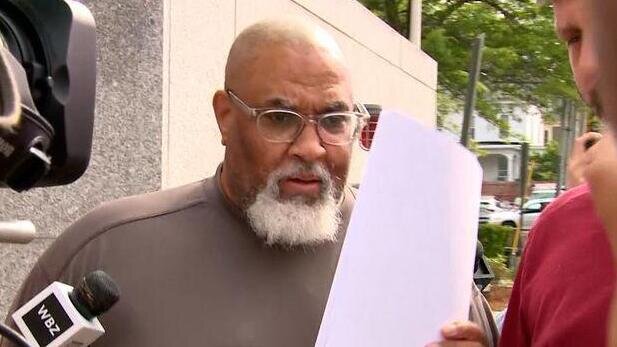
Cedric Lodge, the former manager of the morgue at Harvard Medical School, has been sentenced to eight years in prison after admitting that he stole and sold human body parts taken from cadavers donated for scientific research.
His wife, Denise Lodge, was sentenced to one year in prison for her role in assisting the crimes.
Authorities said the acts continued over several years and caused deep harm to the families of the donors.
Lodge, aged fifty-eight, was convicted after confessing to trafficking organs from bodies that had been donated to Harvard for medical research.
According to the United States Department of Justice, he abused his position by selling body parts intended solely for education, training, and scientific study.
Lodge managed Harvard’s morgue for nearly three decades.
Prosecutors said that between twenty eighteen and March twenty twenty, he removed body parts from donated cadavers, including internal organs, brains, skin, hands, faces, and dissected heads, and sold them to various buyers across the United States.
He was arrested in twenty twenty-three and dismissed from the university in May of that year.
His wife, Denise Lodge, aged sixty-five, was convicted of aiding the sale of the organs and body parts.
The indictments stated that Lodge’s actions directly violated his official duties, which included safeguarding the dignity of donors and ensuring that donated bodies were used only for research, teaching, and the training of physicians.
Harvard previously said the conduct was the isolated behavior of a single employee acting alone and described the case as a severe breach of the fundamental trust placed in the institution by donors and their families.
Following the revelations, the university conducted an internal review of its body donation program and announced measures to strengthen oversight, improve documentation, and increase transparency with donor families.
Earlier this year, Lodge pleaded guilty to transporting stolen property across state lines.
Investigators said that he and his wife removed body parts from the university campus near Boston and transported them to their home in Goffstown, New Hampshire, as well as to other locations in Massachusetts and Pennsylvania.
The Department of Justice said this was done without the knowledge or consent of Harvard, the donors, or the donors’ families.
Prosecutors said some of the human remains were sold to two buyers in Pennsylvania, who later resold them to others.
The Justice Department noted that many of the remains sold by Lodge were resold for profit and that several buyers have already been sentenced to prison terms or are awaiting sentencing.
Prosecutors requested the maximum sentence of ten years in prison, describing the conduct as something that “shocks the conscience”.
In court filings, they said Lodge caused profound emotional harm to an unknown number of families who were left wondering how the bodies of their loved ones had been abused.
Lodge’s defense attorney, Patrick Casey, asked the court to show leniency.
The sentence was handed down by a federal judge in Pennsylvania.
After the ruling, Wayne A.
Jacobs, head of the Federal Bureau of Investigation office in Philadelphia, said the sentence was another step in ensuring that all those who planned and carried out the reprehensible crime would be held accountable.
The United States Postal Inspection Service also addressed the case.
Christopher Nielsen, the inspector in charge of the Philadelphia division, said that trafficking stolen human remains through the United States mail is a disturbing act that harms grieving families and creates potential risks for postal workers and customers.
He said he hoped the investigation and sentences would bring some measure of closure to those affected.
About two months ago, a United States court ruled that families who donated the bodies of loved ones for medical research may pursue civil lawsuits against Harvard Medical School.
The school has not commented on the sentencing, but previously said Lodge’s actions were “abhorrent and wholly inconsistent with the standards and values that Harvard, our anatomical donors, and their loved ones expect and deserve”.
His wife, Denise Lodge, was sentenced to one year in prison for her role in assisting the crimes.
Authorities said the acts continued over several years and caused deep harm to the families of the donors.
Lodge, aged fifty-eight, was convicted after confessing to trafficking organs from bodies that had been donated to Harvard for medical research.
According to the United States Department of Justice, he abused his position by selling body parts intended solely for education, training, and scientific study.
Lodge managed Harvard’s morgue for nearly three decades.
Prosecutors said that between twenty eighteen and March twenty twenty, he removed body parts from donated cadavers, including internal organs, brains, skin, hands, faces, and dissected heads, and sold them to various buyers across the United States.
He was arrested in twenty twenty-three and dismissed from the university in May of that year.
His wife, Denise Lodge, aged sixty-five, was convicted of aiding the sale of the organs and body parts.
The indictments stated that Lodge’s actions directly violated his official duties, which included safeguarding the dignity of donors and ensuring that donated bodies were used only for research, teaching, and the training of physicians.
Harvard previously said the conduct was the isolated behavior of a single employee acting alone and described the case as a severe breach of the fundamental trust placed in the institution by donors and their families.
Following the revelations, the university conducted an internal review of its body donation program and announced measures to strengthen oversight, improve documentation, and increase transparency with donor families.
Earlier this year, Lodge pleaded guilty to transporting stolen property across state lines.
Investigators said that he and his wife removed body parts from the university campus near Boston and transported them to their home in Goffstown, New Hampshire, as well as to other locations in Massachusetts and Pennsylvania.
The Department of Justice said this was done without the knowledge or consent of Harvard, the donors, or the donors’ families.
Prosecutors said some of the human remains were sold to two buyers in Pennsylvania, who later resold them to others.
The Justice Department noted that many of the remains sold by Lodge were resold for profit and that several buyers have already been sentenced to prison terms or are awaiting sentencing.
Prosecutors requested the maximum sentence of ten years in prison, describing the conduct as something that “shocks the conscience”.
In court filings, they said Lodge caused profound emotional harm to an unknown number of families who were left wondering how the bodies of their loved ones had been abused.
Lodge’s defense attorney, Patrick Casey, asked the court to show leniency.
The sentence was handed down by a federal judge in Pennsylvania.
After the ruling, Wayne A.
Jacobs, head of the Federal Bureau of Investigation office in Philadelphia, said the sentence was another step in ensuring that all those who planned and carried out the reprehensible crime would be held accountable.
The United States Postal Inspection Service also addressed the case.
Christopher Nielsen, the inspector in charge of the Philadelphia division, said that trafficking stolen human remains through the United States mail is a disturbing act that harms grieving families and creates potential risks for postal workers and customers.
He said he hoped the investigation and sentences would bring some measure of closure to those affected.
About two months ago, a United States court ruled that families who donated the bodies of loved ones for medical research may pursue civil lawsuits against Harvard Medical School.
The school has not commented on the sentencing, but previously said Lodge’s actions were “abhorrent and wholly inconsistent with the standards and values that Harvard, our anatomical donors, and their loved ones expect and deserve”.