London Daily

Focus on the big picture.
Saturday, Jan 24, 2026

COVID-19: What are Europe's Christmas coronavirus rules?

COVID-19: What are Europe's Christmas coronavirus rules?

Nations across the continent are implementing special rules for the festive season.

Some European countries are tightening restrictions over the coming weeks - while others are relaxing them for Christmas.

In many nations, coronavirus cases are rising again after dipping at the end of November.

These are the COVID-19 restrictions and Christmas rules around the continent:

The Netherlands


A second lockdown starts on Tuesday for at least five weeks.

Dutch households will not be allowed to have more than two visitors over the age of 13, and all public places, including hairdressers and day care centres, will close until 19 January.

Schools will close until 18 January and people have been advised to stay at home, not travel to work and avoid contact with others as much as possible.

From 24 until 26 December, households will be allowed three visitors.
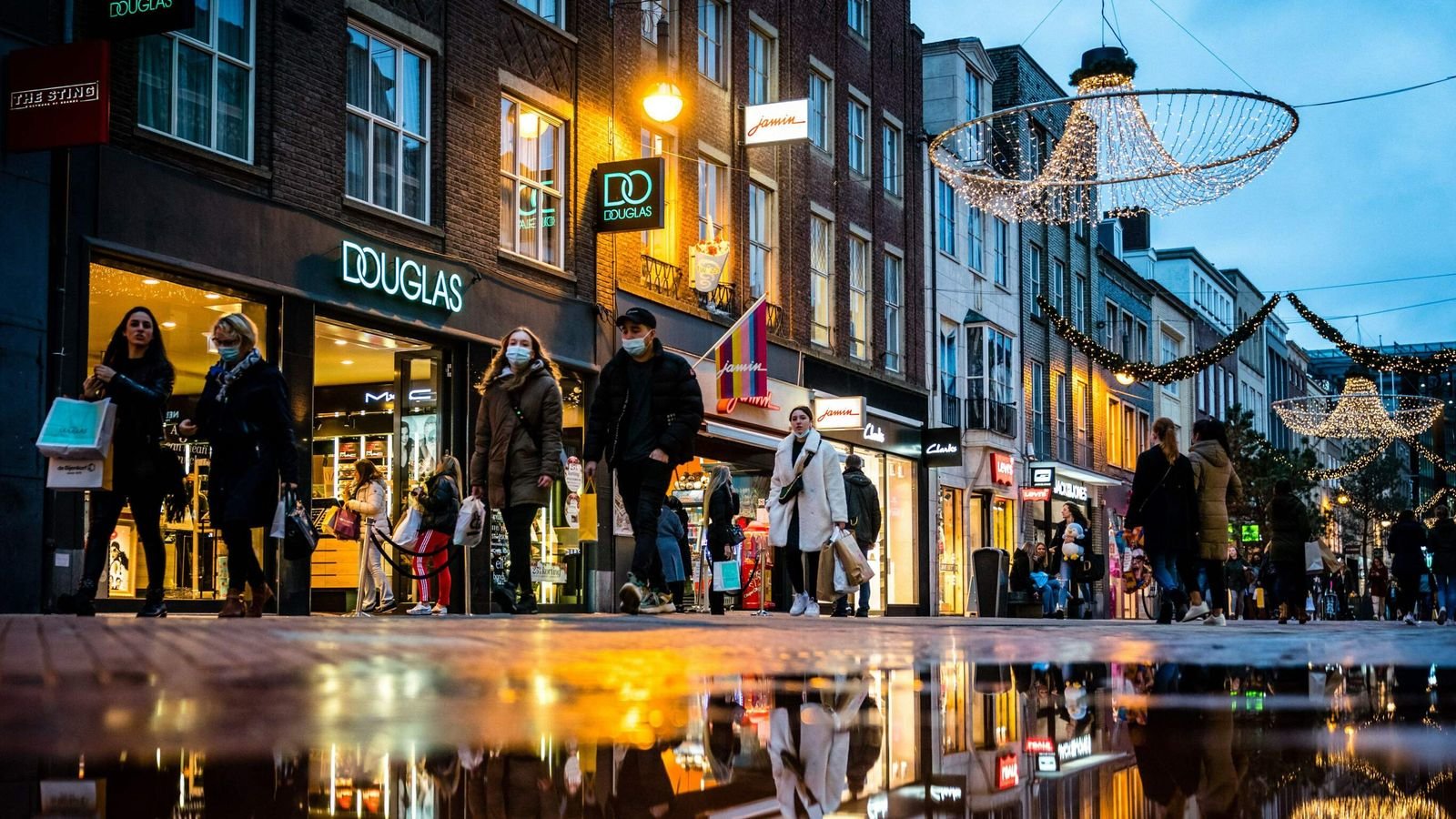

People got in their Christmas shopping in Eindhoven ahead of new restrictions in the Netherlands


Czech Republic


Restaurants, hotels and indoor sports venues, which reopened barely two weeks before, will close again from Friday.

Public gatherings will be limited to six people indoors and out, instead of the current 10 indoors and 50 outdoors, with a nationwide curfew from 11pm to 5am.

Schools will also close early for Christmas, although shops will remain open.

Germany


A hard lockdown in Germany begins on Wednesday, with schools and non-essential shops to be closed throughout Christmas and the new year.

Germany has been under a light lockdown since the beginning of November, with bars, restaurants and tourist attractions closed, but shopping and education allowed.

Chancellor Angela Merkel has blamed Christmas shopping for a "considerable" rise in social contacts.

The new restrictions will last until 10 January but will be relaxed slightly from 24 to 26 December, with a five-person limit - but Ms Merkel recommended a week of self-isolation before.

Drinking will be banned in public and firework sales will be prohibited before New Year's Eve, while religious gatherings will be allowed but only if people remain 1.5m apart and do not sing.
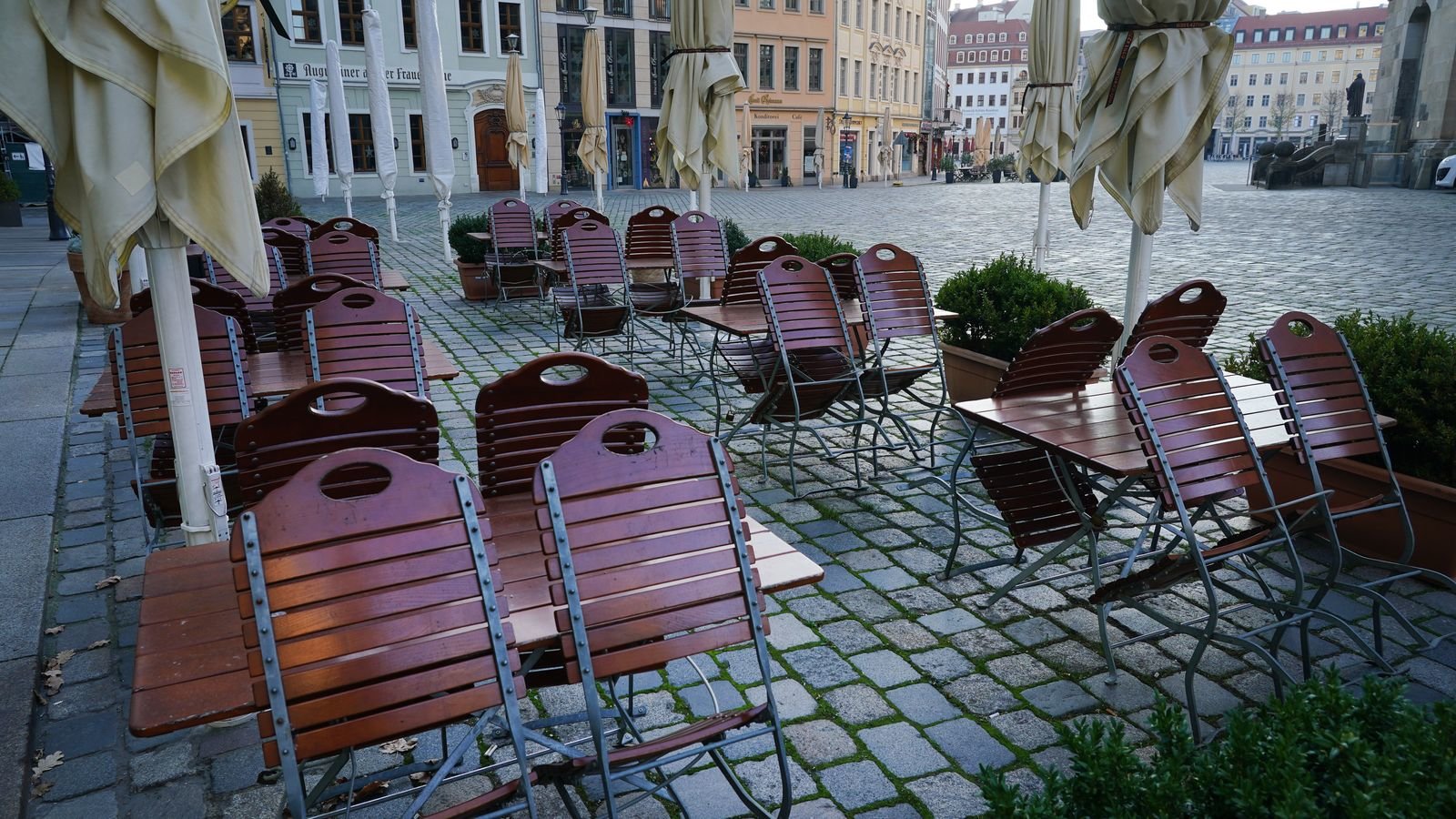

Dresden went into a hard lockdown ahead of the rest of Germany


France


A six-week ban on movement was lifted on Tuesday but President Emmanuel Macron imposed an 8pm-6am curfew until mid-January, apart from Christmas Eve, as France suffered Europe's highest number of cases.

Museums, theatres and cinemas will be closed until January at least, as will restaurants, bars and cafes.

A maximum of six adults and any number of children are allowed in homes.

French ski resorts will remain closed and be allowed to reopen in January "under favourable conditions".

Spain


From 23 December to 6 January travel between Spain's regions will be allowed, but only to visit friends and family.

Social gatherings on Christmas Eve, Christmas Day, New Year's Eve and New Year's Day will be limited to 10 people - including children.
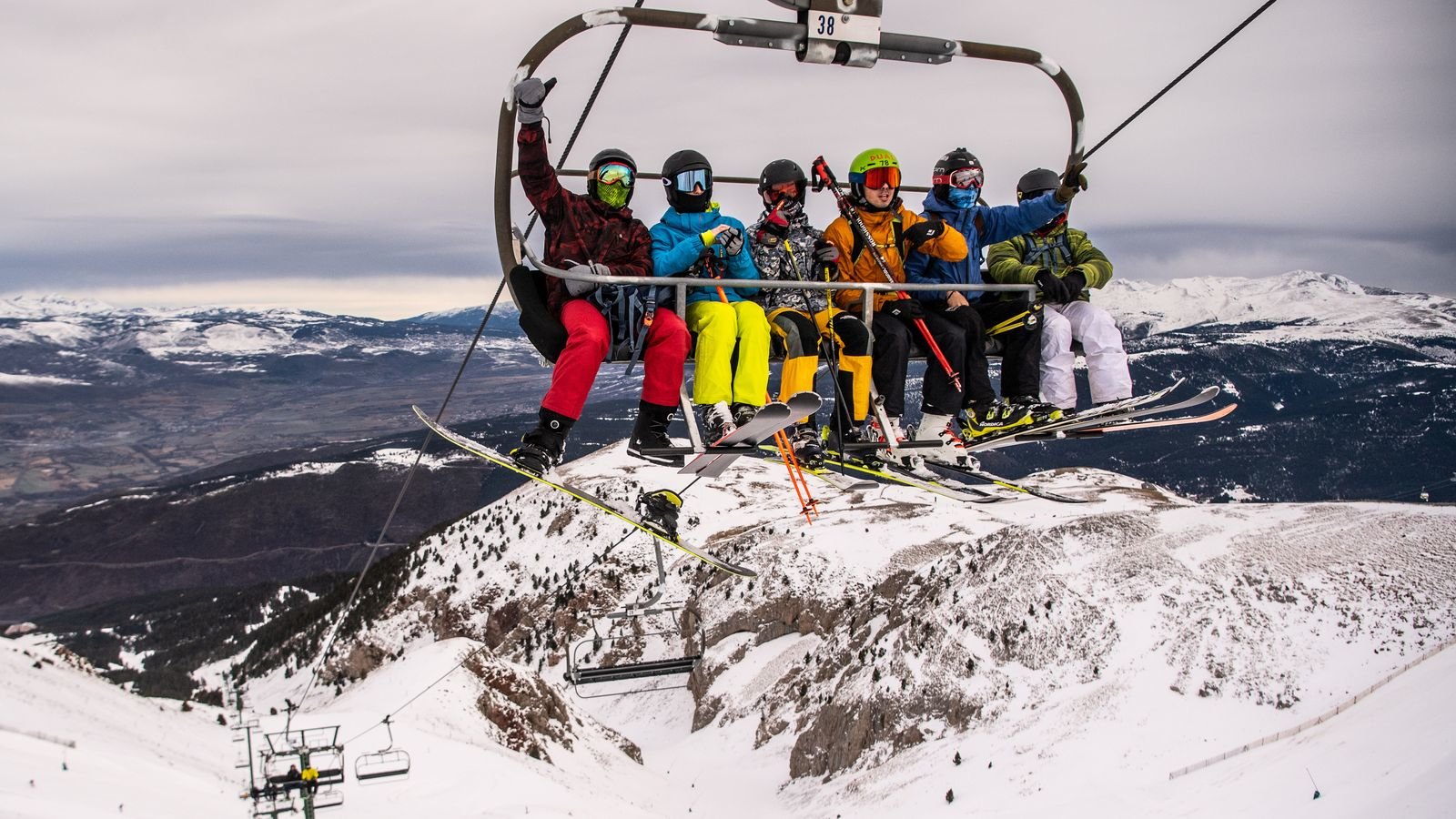

Ski resorts in Spain have reopened ahead of Christmas


Curfews, which currently range from 10pm to midnight depending on the region, will be pushed back to 1.30am on Christmas Eve and New Year's Eve.

Regional governments will have the power to toughen these rules, while some will have to open their borders after having closed them.

The Canary and Balearic Islands will allow free movement.

Italy


A ban on travelling between different regions is in place from 21 December to 6 January and people will not be allowed to leave their hometowns on Christmas Day, Boxing Day and New Year's Day.

The current 10pm-5am curfew will remain, meaning traditional midnight mass will not be able to happen, although churches can remain open.

Prime Minister Giuseppe Conte told Italians to expect a "more sober Christmas, without Christmas Eve gatherings, hugs and kisses".
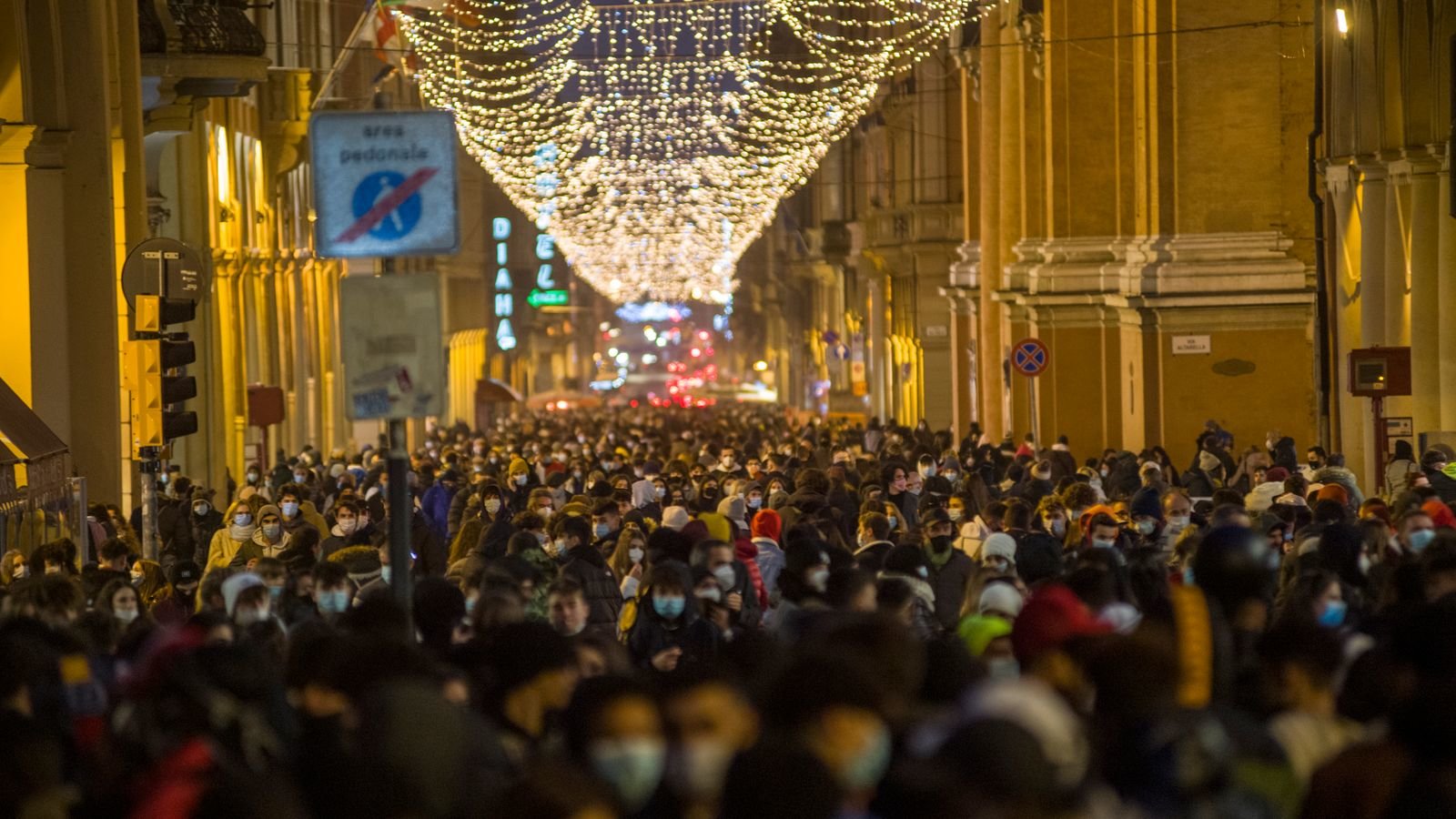

The streets of Bologna were packed ahead of a ban on travelling between Italy's regions


Rome is expected to impose a "red zone" lockdown from Christmas Eve until at least 2 January, with night curfews extended, bans on non-essential movement and non-essential shops to close.

Italy is experiencing its highest number of deaths since the end of March, bringing the total to 65,000.

Austria


Restrictions have been eased ahead of Christmas after Austria came out of its second national lockdown on 7 December.

A curfew has been introduced between 8pm and 6am and non-essential shops and other businesses have reopened.

Restaurants and bars will remain closed over the Christmas period for everything but takeaways.

Hotels are only open to business travellers and people visiting from countries with more than 100 cases per 100,000 people will have to quarantine for 10 days.

Portugal


Rules will be eased over the Christmas season to allow people to visit their friends and family but measures will be reimposed ahead of New Year's Eve.

A 10-person gathering limit will be lifted entirely for Christmas and the curfew will be pushed from 11pm to 2am on 24 and 25 December.

Newsletter

Related Articles

0:00
0:00
Close
Starmer Breaks Diplomatic Restraint With Firm Rebuke of Trump, Seizing Chance to Advocate for Europe
UK Finance Minister Reeves to Join Starmer on China Visit to Bolster Trade and Economic Ties
Prince Harry Says Sacrifices of NATO Forces in Afghanistan Deserve ‘Respect’ After Trump Remarks
Barron Trump Emerges as Key Remote Witness in UK Assault and Rape Trial
Nigel Farage Attended Davos 2026 Using HP Trust Delegate Pass Linked to Sasan Ghandehari
Gold Jumps More Than 8% in a Week as the Dollar Slides Amid Greenland Tariff Dispute
BlackRock Executive Rick Rieder Emerges as Leading Contender to Succeed Jerome Powell as Fed Chair
Boston Dynamics Atlas humanoid robot and LG CLOiD home robot: the platform lock-in fight to control Physical AI
United States under President Donald Trump completes withdrawal from the World Health Organization: health sovereignty versus global outbreak early-warning access
FBI and U.S. prosecutors vs Ryan Wedding’s transnational cocaine-smuggling network: the fight over witness-killing and cross-border enforcement
Trump Administration’s Iran Military Buildup and Sanctions Campaign Puts Deterrence Credibility on the Line
Apple and OpenAI Chase Screenless AI Wearables as the Post-iPhone Interface Battle Heats Up
Tech Brief: AI Compute, Chips, and Platform Power Moves Driving Today’s Market Narrative
NATO’s Stress Test Under Trump: Alliance Credibility, Burden-Sharing, and the Fight Over Strategic Territory
OpenAI’s Money Problem: Explosive Growth, Even Faster Costs, and a Race to Stay Ahead
Trump Reverses Course and Criticises UK-Mauritius Chagos Islands Agreement
Elizabeth Hurley Tells UK Court of ‘Brutal’ Invasion of Privacy in Phone Hacking Case
UK Bond Yields Climb as Report Fuels Speculation Over Andy Burnham’s Return to Parliament
America’s Venezuela Oil Grip Meets China’s Demand: Market Power, Legal Shockwaves, and the New Rules of Energy Leverage
TikTok’s U.S. Escape Plan: National Security Firewall or Political Theater With a Price Tag?
Trump’s Board of Peace: Breakthrough Diplomacy or a Hostile Takeover of Global Order?
The Greenland Gambit: Economic Genius or Political Farce?
Will AI Finally Make Blue-Collar Workers Rich—or Is This Just Elite Tech Spin?
Prince William to Make Official Visit to Saudi Arabia in February
Prince Harry Breaks Down in London Court, Says UK Tabloids Have Made Meghan Markle’s Life ‘Absolute Misery’
Malin + Goetz UK Business Enters Administration, All Stores Close
EU and UK Reject Trump’s Greenland-Linked Tariff Threats and Pledge Unified Response
UK Deepfake Crackdown Puts Intense Pressure on Musk’s Grok AI After Surge in Non-Consensual Explicit Images
Prince Harry Becomes Emotional in London Court, Invokes Memory of Princess Diana in Testimony Against UK Tabloids
UK Inflation Rises Unexpectedly but Interest Rate Cuts Still Seen as Likely
AI vs Work: The Battle Over Who Controls the Future of Labor
Buying an Ally’s Territory: Strategic Genius or Geopolitical Breakdown?
AI Everywhere: Power, Money, War, and the Race to Control the Future
Trump vs the World Order: Disruption Genius or Global Arsonist?
Arctic Power Grab: Security Chessboard or Climate Crime Scene?
Starmer Steps Back from Trump’s ‘Board of Peace’ Amid Strained US–UK Relations
Prince Harry’s Lawyer Tells UK Court Daily Mail Was Complicit in Unlawful Privacy Invasions
UK Government Approves China’s ‘Mega Embassy’ in London Amid Debate Over Security and Diplomacy
Trump Cites UK’s Chagos Islands Sovereignty Shift as Justification for Pursuing Greenland Acquisition
UK Government Weighs Australia-Style Social Media Ban for Under-Sixteens Amid Rising Concern Over Online Harm
Trump Aides Say U.S. Has Discussed Offering Asylum to British Jews Amid Growing Antisemitism Concerns
UK Seeks Diplomatic De-escalation with Trump Over Greenland Tariff Threat
Prince Harry Returns to London as High Court Trial Begins Over Alleged Illegal Tabloid Snooping
High-Speed Train Collision in Southern Spain Kills at Least Twenty-One and Injures Scores
×