

COP26: Away from summit, global demand for oil and gas means BP remains a 'cash machine'
It may strike some as deeply ironic that, while heads of state, scientists, charities and environmental activists rub shoulders at the COP26 summit, some of the biggest players involved in the transition to net zero are not in Glasgow.
While the likes of Turin Polytechnic, Bristol City Council, the Omega Institute for Holistic Studies and the US Presbyterian Church are all there, there is no room for some of the world's biggest oil and gas companies.
This is curious because, were the likes of Chevron and Exxon Mobil to set sufficiently bold targets for carbon reduction, it would have far more impact than the targets set out by many of the individual governments attending.
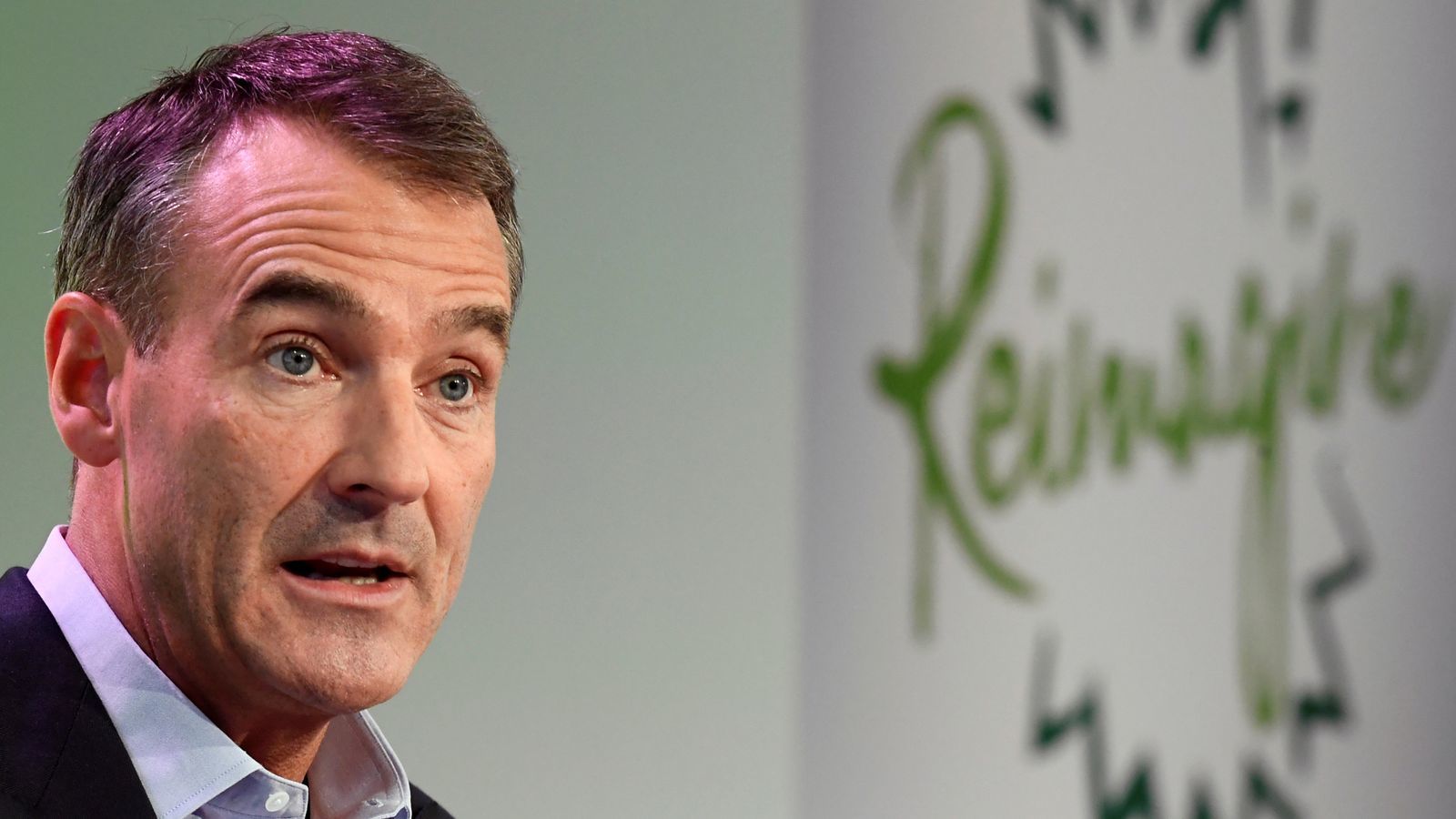 BP's chief executive Bernard Looney has set out ambitious net-zero plans
Most surprising of all is the omission of the UK's big two oil and gas producers, BP and Royal Dutch Shell, which have both set out ambitious plans to reduce their carbon footprint and transition away from oil and gas towards renewables.
Both have backed their promises with action.
Earlier this year, for example, Shell said it would dispose of its US shale assets, selling them in September to ConocoPhillips.
These moves have, it is fair to say, put both in hot water with elements of their shareholder base.
BP, for example, encountered much scepticism from investors when, just before the global pandemic, it announced plans to go net zero by 2050.
More recently, Shell has faced calls from an activist investor, the hedge fund Third Point, to break itself up, separating its cash-generative fossil fuel operations from its businesses investing in renewables and carbon reduction technologies.
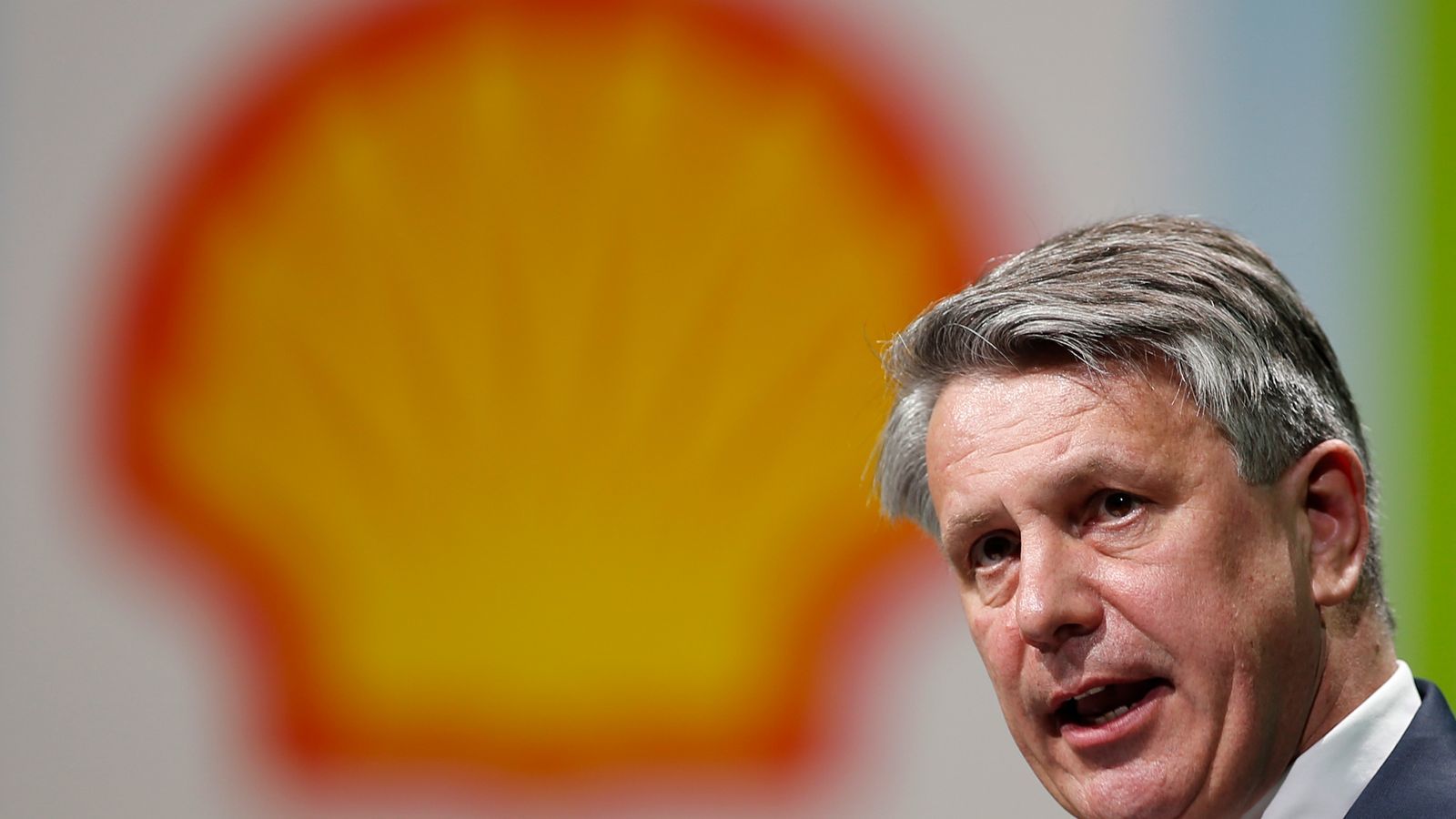 Shell boss Ben van Beurden said the company was told it was not welcome at COP26
So it is odd indeed that the COP26 organisers found no room to include companies actually being criticised for having similar objectives to those of the summit itself.
The pair were apparently excluded because the Science Based Targets initiative, a third party supported by the UN and some non-profit organisations, judged that their emissions reduction targets were not credible.
Ben van Beurden, Shell's chief executive, explained last week: "We were told that we were not welcome, so we will not be there."
The organisers may also be judging that neither should be in Glasgow because they have made no secret of the fact that, while they are committed to reducing their carbon footprint, hydrocarbon production will remain a core part of their business for years to come.
That reflects that, in the absence of an enormous fall in the cost of transitioning away from them, the world will still be consuming oil and gas in significant quantities well into the middle of the century.
That demand for oil and gas continues to outweigh supply was borne out today by BP's latest financial results.
At a headline level, BP reported a loss of $2.5bn for the three months to the end of September, which was an accounting technicality reflecting the fact it must mark the price of contracts used to hedge the value of liquefied natural gas shipments to the price in the market while not actually doing the same for the value of its assets.
More importantly, on an underlying basis, replacement cost profit - the industry's preferred measurement - rose 18% to $3.32bn compared with the second quarter.
That was up from $86m in the same period last year and was significantly better than analysts had been expecting.
It is the third quarter in a row that BP's results have beaten expectations and mainly reflects stronger oil and gas prices.
Brent crude traded at an average of $73.51 per barrel during the three months, up from $68.97 from April to June and up from $42.94 in the three months to the end of September last year.
BP breaks even at a crude price of $40 a barrel.
No wonder, then, that Bernard Looney, the chief executive, described BP as resembling a "cash machine" when its core products are trading at these levels.
Operating cash flow during the quarter was just shy of $6bn.
And things on that front may yet get better.
Mr Looney said demand for oil was already back above the pre-pandemic level of 100 million barrels per day - and that is even before global aviation has recovered.
Analysts at the investment bank Bank of America today said they expect a price of $120 per barrel by June next year.
BP's cash is being deployed in a number of ways.
One is to reduce debt which, during the last 12 months, has fallen from $40.38bn to $31.97bn and which has now come down for six consecutive quarters.
Some will go on share buybacks: BP announced a further $1.25bn worth of these today although, with the dividend being held at the previous level, the shares, which are up by 39% since the start of the year, fell by more than 2%.
And, of course, it is going on investment.
BP's capital expenditure is expected to be between $14-$16bn next year.
Not all of that will be on renewables.
Mr Looney stressed today that investors should not assume that, just because BP is aiming to cut emissions, it would be making no new investments into hydrocarbon projects.
 Oil demand is already back above 100 million barrels per day - even before global aviation recovers
Interestingly, Mr Looney - who said he was "not hearing" calls from investors to separate its hydrocarbons operations from its renewables operations - was at pains to scotch the suggestion that BP is only interested in building the latter.
He told analysts: "I see the characterisation in some media as BP moving from oil to renewables and that's not actually the case.
"Yes, we are building a renewables business.
"But we've always said, we're not building a renewables business just for renewables.
"We're building a renewables business to be part of an integrated energy value chain that goes all the way from the production of energy into, in some cases, people's cars in terms of electrons, or into hydrogen, or into whatever it is that you wish to do with it.
"It's a focusing of oil. It's a doubling of convenience, including EV [electric vehicle] charging, $5bn to $10bn. And it's an investment in renewables."
If that sounds complicated, that is because it is.
The transition away from fossil fuels is not as black and white as some perhaps think.