London Daily

Focus on the big picture.
Monday, Jul 13, 2026

Cambridge University takes down ‘micro-aggression’ reporting site, after accusations of woke ‘police state’

Cambridge University takes down ‘micro-aggression’ reporting site, after accusations of woke ‘police state’

Cambridge University has taken down a website letting students snitch on staff for “micro-aggressions.” Students could report such trivial offenses as “raising an eyebrow,” and activists have threatened to sue should it return.

Cambridge’s ‘Report + Support’ website was offline as of Tuesday morning, with the Telegraph reporting that it had been taken down the day before. Viewable in archived form, the site offered students the tools to “report inappropriate behaviour they have experienced from other students and staff,” either anonymously or with their contact details.
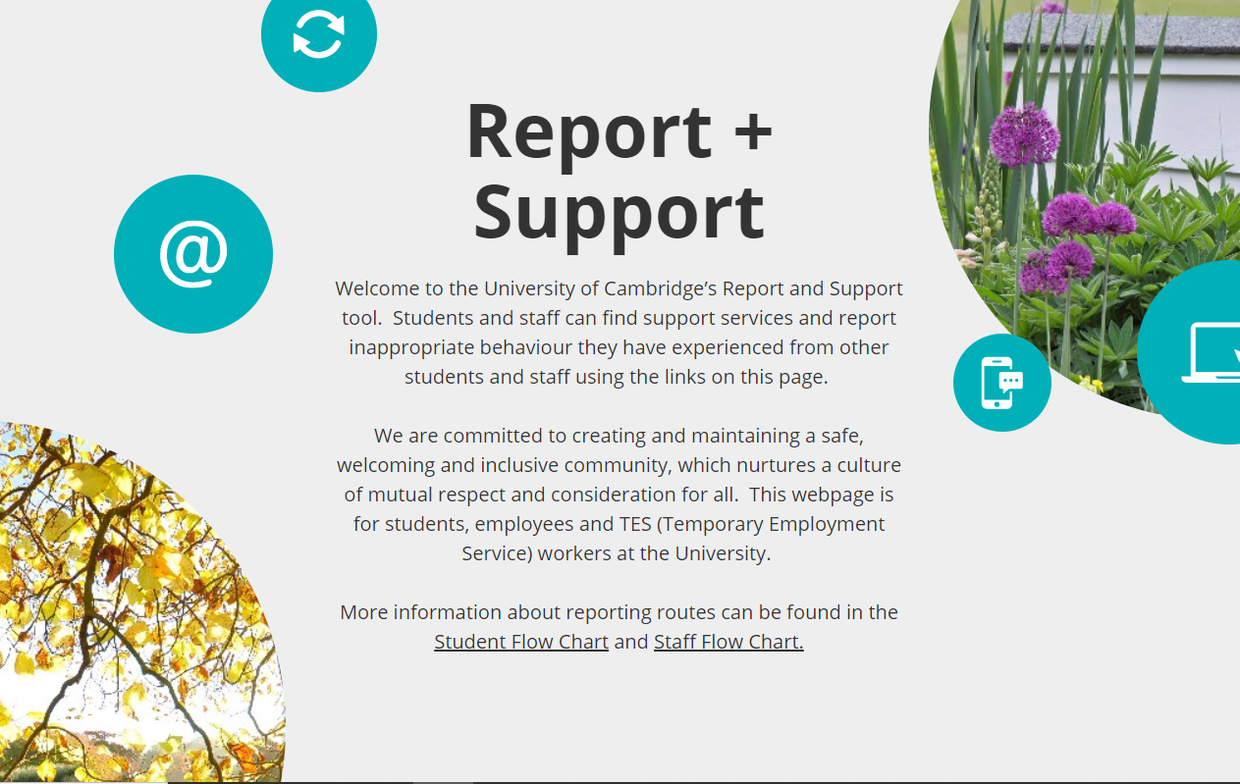
A screenshot showing an archived copy of Cambridge University's now-offline 'Report + Support' website, May 25, 2021 © Archive.org


Aside from encouraging the reporting of bullying, harassment and sexual misconduct, the site included a section on “micro-aggressions.” The term is not a legal one, and was defined on the website as encompassing all the “slights, indignities, put-downs and insults” that offend minorities, according to the Telegraph.

The Free Speech Union, which campaigned against ‘Report + Support,’ listed a few examples offered on the site.


“Backhanded compliments...raising eyebrows when a Black member of staff or student is speaking...avoiding or turning one’s back on certain people...being misgendered...referring to a woman as a ‘girl’” are all sample aggressions. Telegraph writer Charles Moore also noted in an op-ed that “asking a black person if that is their ‘natural’ hair” would also count as an offense.

With the bar set so low, dons complained to the Telegraph that the university was fostering a culture “akin to that of a police state.”

The site’s definition of “racism” made it clear that white students would not be expected to submit reports. “Racism is a system of oppression, woven into the fabric of societies, institutions, processes, procedures, people’s values, beliefs, attitudes and behaviour. It is a system of advantage that sets whiteness as the norm,” it reads, adding that “people from racially minoritised backgrounds” are more likely than white people to be “targets of direct or indirect discrimination and micro-aggressions.”

In a letter to Cambridge Vice-Chancellor Stephen Toope, the Free Speech Union warned that it would take legal action against the university, claiming that the site violated the Education Act’s requirement that the university uphold free speech, and was based on a flawed reading of the Equality Act. “These are all situations which may arise wholly innocently, through misunderstanding, a breakdown in communication, or a simple error,” the letter read.

After the site was taken down, Toope released a statement saying that “certain ancillary material was included in error,” and that the site would be examined before being relaunched.

However, the FSU cautioned that “in the event that the policy reappearing in anything like its original form, the Free Speech Union will seek to challenge its lawfulness in the High Court.”

Newsletter

Related Articles

0:00
0:00
Close
United Kingdom Financial Markets Monitor Business Response to Economic Policy Changes
Scottish Renewable Energy Expansion Highlights Need for Faster Grid Development
Wales and Regions Strengthen Focus on Economic Development Through Tourism and Investment
Retail Industry Warns High Street Businesses Remain Under Pressure
Police Chiefs Highlight Growing Challenges Managing Protests and Public Order
Agriculture Leaders Seek Clarity on Post-Brexit Farming Support and Environmental Rules
Transport Unions Warn of Further Industrial Action Over Pay and Working Conditions
Welsh Tourism Sector Reports Strong Growth Driven by Domestic and International Visitors
National Infrastructure Review Gains Support as Leaders Seek Faster Project Delivery
Financial Markets Assess Impact of United Kingdom Corporate Tax Policy Changes
Northern Ireland Assembly Debates Cross-Border Trade and Infrastructure Cooperation Plans
Government Opens Consultations on Housing Reform and Planning System Changes
Scottish Government Faces Pressure to Accelerate Offshore Wind and Grid Expansion
National Energy System Operator Warns Grid Investment Is Needed for Future Electricity Demand Growth
United Kingdom Research Council Invests in Artificial Intelligence and Biotechnology Innovation Hubs
United Kingdom Expands Oversight of Skilled Worker Visa Sponsors Amid Migration Debate
Cross-Party MPs Call for National Infrastructure Strategy Review to Accelerate Economic Growth
Prime Minister Announces One Billion Pound NHS Funding Package Ahead of Winter Pressures
Bank of England Signals Cautious Approach to Interest Rates as Inflation Remains Above Forecasts
World Cup Visitors Turn American Big-Box Stores Into Souvenir Stops
Netflix Weighs Always-On Channels, Bundles and Short-Form Video
Passenger Is Pulled Partly Outside Ryanair Jet After Window Fails Mid-Flight
Innovation-led growth strategy
Public service reform pressure
Defence and industrial security
Labour leadership transition and economic reset
Northern England Pushes for Greater Influence in Britain’s Future Economic Model
UK Technology Strategy Focuses on Life Sciences, Digital Innovation and Research Investment
Britain and United States Maintain Focus on Pharmaceuticals Cooperation and Industrial Growth
UK Public Services Face Continued Pressure as Government Promises Visible Improvements
Regional Economic Power Becomes Key Theme in Britain’s Next Political Phase
Britain Expands Support for Small Businesses as Firms Seek Better Access to Finance
UK Economy Remains Central Political Challenge as Cost of Living and Growth Concerns Persist
National Health Service Introduces New Workplace Reviews to Improve Conditions for Healthcare Staff
UK Life Sciences Sector Secures More Than Three Billion Pounds in Investment to Support Innovation
Britain Strengthens Defence Strategy as Security Concerns Reshape Military and Industrial Policy
Andy Burnham Promises Stronger UK Defence Industry and Expanded Domestic Production
UK Government Faces Difficult Spending Choices as Labour Leadership Transition Approaches
Rachel Reeves Warns Andy Burnham of Immediate Economic Challenges After Expected Leadership Change
Andy Burnham Prepares to Lead UK Government With Plans for Regional Power Shift and Economic Reset
Government Creates Emergency Support Scheme for Financially Struggling Universities
United Kingdom Replaces Traditional Farm Subsidies With Payments Linked to Environmental Performance
National Grid Reports First Week of Electricity Generation Without Fossil Fuels
United Kingdom Financial Regulator Introduces Tougher Capital Rules for Cryptocurrency Exchanges
Belfast Harbour Expands Operations to Attract Investment Through United Kingdom and European Union Market Access
Scottish Government Threatens Legal Challenge Over Westminster Cuts to North Sea Transition Funding
United Kingdom Accelerates Trans-Pennine High-Speed Rail Project Linking Northern Cities
United Kingdom Secures Ten Billion Pound Investment for Cambridge Quantum Computing Campus
Port Talbot Steelworks Wins Support for Green Hydrogen Transition and Protection of Industrial Jobs
United Kingdom Sends Royal Navy Carrier Strike Group to Indo-Pacific as Regional Security Focus Expands
×