London Daily

Focus on the big picture.
Saturday, Jun 20, 2026

Bitcoin's record-breaking surge means one man ended up paying £440m for two pizzas

Bitcoin's record-breaking surge means one man ended up paying £440m for two pizzas

Saturday's spike came exactly one year after the volatile cryptocurrency lost 50% of its value in the space of two days.

Bitcoin has surged to a new all-time high - with prices breaking £44,000 for the first time.

Saturday's spike came exactly one year after the volatile cryptocurrency lost 50% of its value in the space of two days and fell to £2,873. It has risen 1,431% in the past 12 months.

Bitcoin now finds itself in uncharted territory. While some analysts believe the digital asset could reach £70,000 this year, others fear that dramatic sell-offs could be on the horizon.
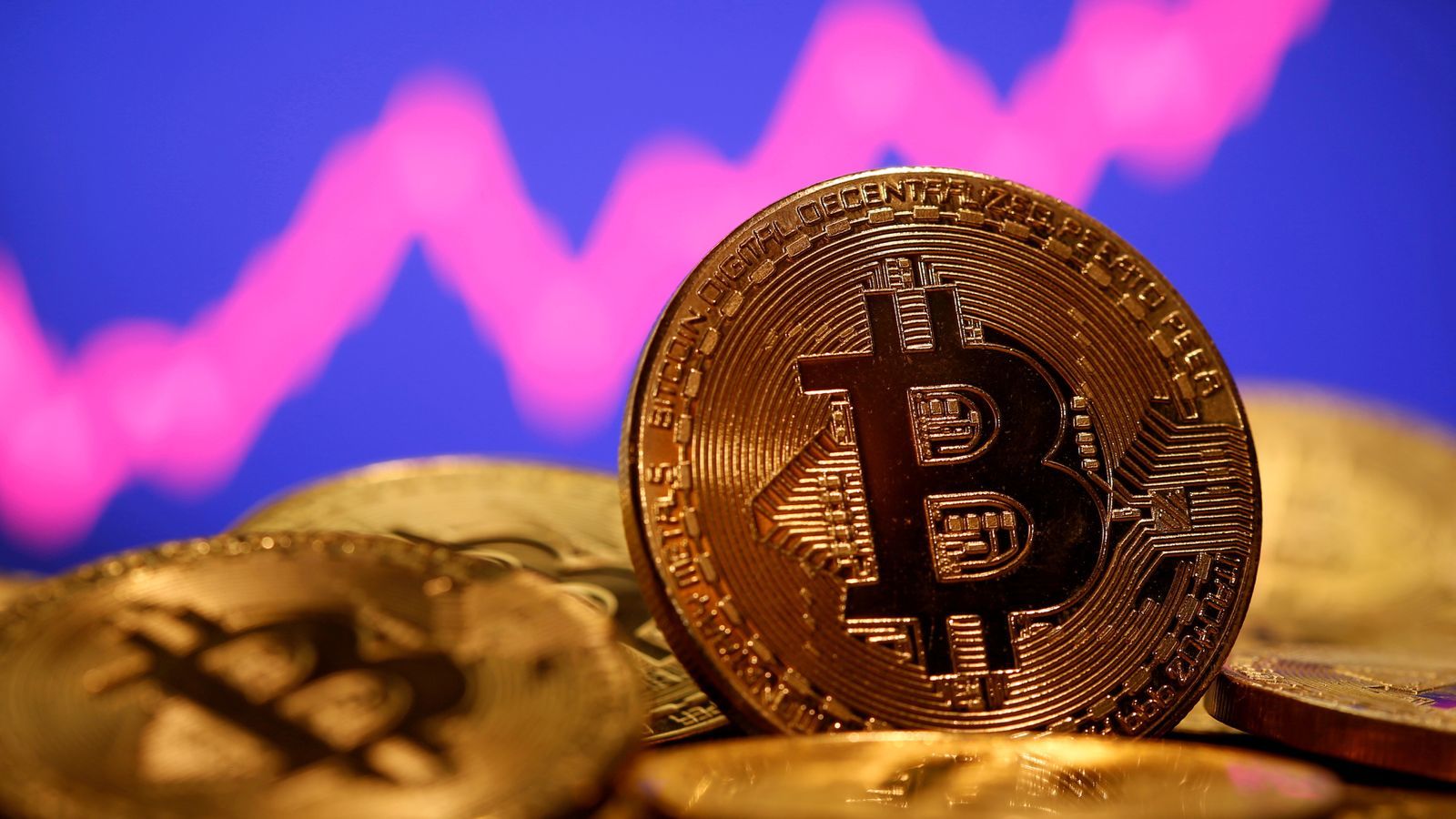
Bank of England Governor Andrew Bailey has warned people who buy Bitcoin should be prepared to lose all of their money


Part of the cryptocurrency's popularity lies in how its supply is fixed at 21 million, with new coins set to be gradually released between now and 2140.

Supporters claim this helps create scarcity - in contrast to traditional currencies such as the US dollar, where supplies have increased dramatically as a result of the coronavirus pandemic.

Tesla helped ignite interest in Bitcoin when the electric vehicle manufacturer announced it had invested $1.5bn (£1.1bn) in the cryptocurrency last month.

Estimates suggest that Elon Musk's company has already made more profit from this investment in a month than it did by selling cars across the whole of 2020.

But critics have accused Tesla of tarnishing its eco-friendly image, amid concerns over the impact that Bitcoin has on the environment.

Research from Digiconomist suggests that the cryptocurrency's annual carbon footprint is comparable to the whole of Slovakia, a country with a population of 5.5 million people. The electricity it takes to complete a single Bitcoin transaction would also be enough to power an average American household for 25 days.
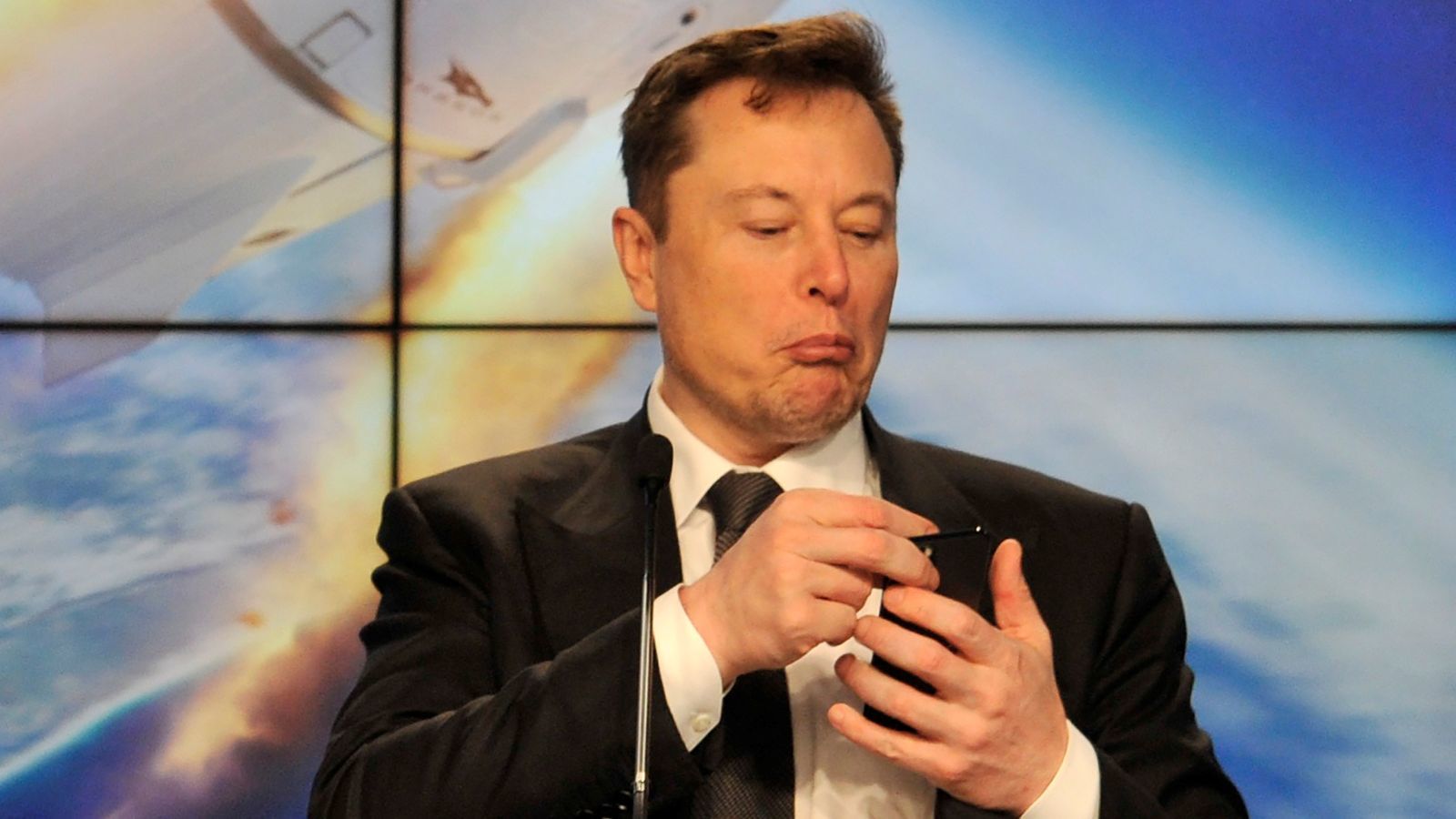
Elon Musk has written many tweets endorsing Bitcoin - with Tesla recently investing $1.5bn


Bitcoin, which launched in 2009, reached a significant milestone last year when PayPal announced it would allow its users to buy, sell and store the cryptocurrency - and use it to make purchases at millions of merchants. The payment giant's crypto service launched in the US last October, and is due to make its debut in the UK later this year.

Last month, Mastercard also announced that it plans to start allowing its customers to make payments using Bitcoin and other cryptocurrencies.

But buying stuff using Bitcoin may not be a good idea - for several reasons. The cryptocurrency's network can only handle five transactions per second, while the likes of Visa can handle thousands.

Bitcoin's volatility can also have consequences. Laszlo Hanyecz bought two pizzas for 10,000 BTC in 2010, back when the cryptocurrency was worth pennies. Fast forward to now, and this crypto stash is worth a staggering £440m.
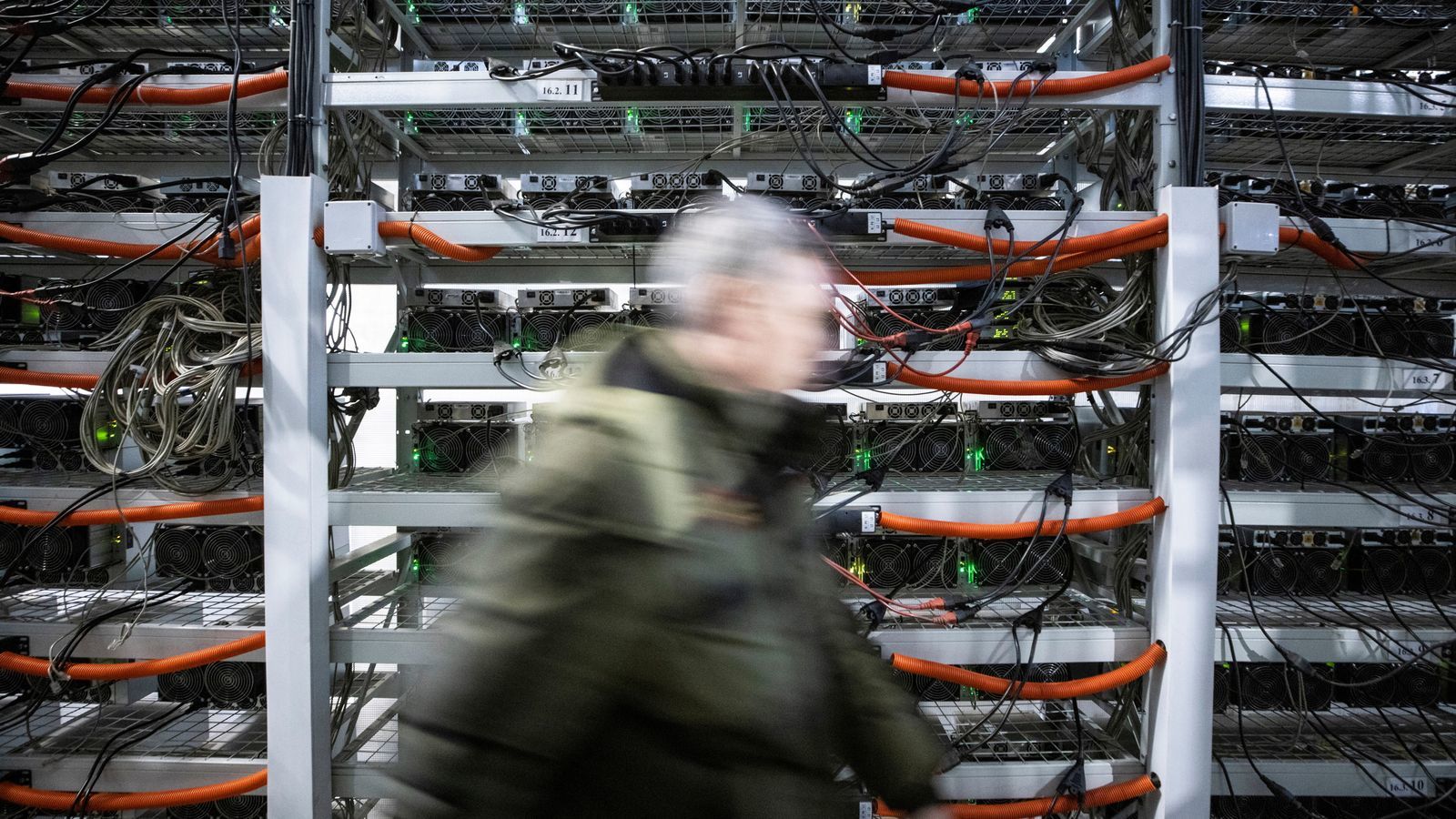
Annually, Bitcoin uses as much electricity as the whole of Chile


The asset's growing price in recent years has turned early adopters into millionaires, but not everyone has been so lucky.

James Howells, from Newport, threw away a hard drive containing 7,500 BTC in 2013, which would be worth £330.2m at today's rates. He has offered to pay the council millions of pounds for the chance to search a landfill site, but his requests have been repeatedly rejected on environmental grounds.

According to the Financial Conduct Authority, 1.9 million Britons owned cryptocurrencies such as Bitcoin as of last June.

Bank of England Governor Andrew Bailey has warned that people who buy Bitcoin should be prepared to lose all of their money - and recently predicted that the cryptocurrency won't last.

Other senior officials, such as European Central Bank President Christine Lagarde, have called for Bitcoin to be regulated globally - warning that it is used for "funny business".

Comments

James Pierson 5 year ago
If money can be thought of as monetary energy, the bitcoin network consumes $7.9 Bn USD in equivalent electrical energy in one year while the US prints $11 Billion USD in fiat currency every single day....let THAT sink in ......
James Pierson 5 year ago
Bitcoin detractors love to bring up the fact that energy is required to provide security for the bitcoin network. Detractors use meaningless comparative metrics such as the "power consumption of Chile" or " the "power consumption of Norway". In Kilowatt hour absolute terms, the Bitcoin network consumes 0.067% of the electrical energy required by the human race to provide to humans with a trustworthy form of money that cannot be corrupted by government, is almost infinitely divisible and can be communicated around the world within seconds at very low cost all within a network that has never been successfully hacked. A true comparison of cost in absolute terms would include the costs of hundreds of thousands of bank branches, offices, the cost of heating, taxes, maintenance, security as well as the energy cost of millions of bank employees hauling their butts back and forth in the execution of their functions. Further, the equivalent energy cost of all gold mining, refining, distribution and storage facilities can be thrown into the mix as well. The energy spent supporting the bitcoin network currently is trivial in comparison the societal cost of our banking and investment infrastructure alone. With the migration of many blockchains from Proof of Work to Proof of Stake; blockchains become hyper-efficient and can support vastly increased speeds in terms of transactions per second with no loss in security. Soon we will not be worrying about how many fiat dollars are needed to buy one bitcoin, the lord knows we have way too many of those already with an ocean more yet to be printed. How much should bulletproof money that cannot simply be printed into existence be worth to us as the human family?

Newsletter

Related Articles

0:00
0:00
Close
Long-Term Economic and Political Effects of Brexit Continue to Shape UK Policymaking
Digital Disinformation Emerges as a Growing National Security Challenge in the United Kingdom
Britain's Dependence on Global Energy Routes Drives Push for More Resilient Supply Chains
Rising Energy Costs Continue to Threaten Britain's Cost-of-Living Recovery
Concerns Grow Over Far-Right Organizing and AI-Driven Online Radicalization in Britain
UK-Led Global Partnerships Conference Calls for Reform of International Development Finance
Middle East Tensions Continue to Weigh on UK Business Confidence
Reports of Middle East Peace Deal Ease Pressure on UK Energy Prices
UK Warns Middle East Conflict Could Worsen Global Food Insecurity
UK Economy Loses Momentum After Strong Start to 2026
Bank of England Holds Interest Rates at 3.75% Despite Easing Inflation
Brexit's Legacy Remains Deeply Divisive Ten Years After the UK Voted to Leave the European Union
International Anti-War Conference Opens in London as Debate Over European Rearmament Intensifies
UK Health Authorities Introduce Drug Price Concessions Amid Record NHS Medicine Shortages
Sir David Attenborough Supports Sherwood Forest Conservation Efforts After Loss of Major Oak
Aardman Animations Marks 50 Years With Major Exhibition in Bristol
Drax Cleared After Investigation Into Wood Pellet Sourcing Practices
Jaguar Land Rover Shifts Toward Hybrid Vehicle Production for US Export Strategy
UK Police Arrest Liberal Democrat MP Cameron Thomas on Suspicion of Assault
Health Concerns Grow Over Elevated Kidney Cancer Rates Near Lancashire PFAS Factory
Royal Navy F-35 Jets Conduct First NATO Air Warfare Exercise from Finnish Airspace
UK NHS Issues Price Concessions for Medicines Amid Severe Drug Shortages
Heathrow Third Runway Project Faces Sharp Downward Revision in Expected Economic Benefits
Amber Heat Warning Issued Across Parts of England and Wales as Temperatures Rise
Train Collision Near Bedford Disrupts UK Rail Network and Leaves Multiple Injured
Bank of England Data Suggests Brexit Has Reduced UK Economic Output by Around Six Percent
UK Borrowing Costs Hold Near 4.8 Percent as Political Uncertainty Fuels Market Pressure
Andy Burnham Emerges as Front-Runner to Succeed Keir Starmer After Landslide Makerfield Victory
Prime Minister Keir Starmer Faces Mounting Pressure to Resign After Labour By-Election Defeat in Makerfield
Payment Fraud Losses Reach £1.28 Billion and Raise National Security Concerns
Lending to Small Businesses Climbs to Highest Level Since Late 2024
Middle East Conflict Clouds UK Economic Recovery Despite Strong First-Quarter Growth
Bank of England Moves to Simplify Capital Rules for Smaller Lenders
UK Government Fast-Tracks National Security and Cyber Resilience Legislation
Ofcom Investigates Telegram Over Alleged Role in Organising Arson Attacks
MPs Press Fujitsu to Speed Compensation for Post Office Horizon Victims
Bank of England Delays Final Basel III Implementation Changes to Support UK Banking Competitiveness
Pound Falls as Political Uncertainty and Bank of England Signals Weigh on Markets
0Andy Burnham Wins Makerfield By-Election and Emerges as Main Challenger to Keir Starmer
Dorset Council Tests AI Tools to Streamline Local Planning Applications
UK Researchers at Kew Gardens Use AI to Speed Up Identification of Threatened Plant Species
UK Gilt Yields Ease Toward 4.8% as Inflation and Labour Market Data Weigh on Bonds
Bank of England Data Shows Resilient SME Lending Despite Economic Slowdown
UK Finance Reports Weakening Services Activity as Business Confidence Softens
UK Introduces Mandatory Internal Complaints Process Under Data Use and Access Act
Bank of England Governor Andrew Bailey Flags Geopolitical Uncertainty as Key Risk to Inflation Outlook
Bank of England Holds Interest Rates at 3.75% as Policymakers Signal Cautious Stance on Inflation Risks
Cornwall Clergy Raise £40,000 for Church Repairs Through Everest-Themed Charity Challenge
UK Business and Social Landscape Reflects Strain From Geopolitical and Domestic Pressures
Tensions Grow in UK Over Sikh Kirpan and Religious Symbolism in Public Debate
×