London Daily

Focus on the big picture.
Thursday, Jul 23, 2026

BBC to move key jobs and programmes out of London

BBC to move key jobs and programmes out of London

The BBC is to move some of its key departments and staff outside London to make the corporation more reflective of the UK as a whole.

It said its plans represent a "top-to-bottom change" and its biggest transformation in decades.

Entire departments and news divisions will be moved to Birmingham, Cardiff, Leeds, Glasgow and Salford.

The BBC's 22,000 employees, many of whom are currently working from home, were briefed on the plans on Thursday.

The plans include:

* A new version of BBC One tailored for audiences in Yorkshire, the North West and the North East of England.

* Two new soap-style network drama series - one from the North of England and another from one of the Nations - produced over the next three years.
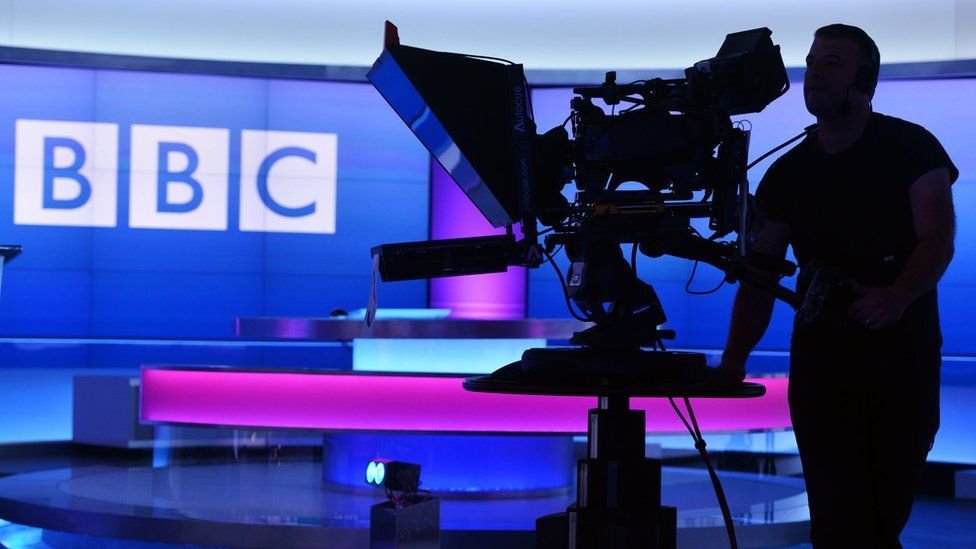
The BBC has a commitment to commission and produce "a clear majority" of TV programmes across the UK and not in London

"Our mission must be to deliver for the whole of the UK and ensure every household gets value from the BBC," said director general Tim Davie.

"These plans will get us closer to audiences, create jobs and investment, and develop and nurture new talent."

Other changes to the corporation will include:

*  News and current affairs programmes like BBC Two's Newsnight being presented from different UK bases through the year.

*  Radio 4's flagship Today programme to be co-presented from outside London for at least 100 episodes a year.

*  Key daytime strands on Radio 1, 1Xtra and Radio 2 will be moved from London and made across the UK.

*  Radio 3 will be rooted in Salford, along with the majority of 6 Music.

*  Radio 1's Newsbeat team will relocate to Birmingham, which will also be the base for the Asian Network.

*  BBC News's Climate and Science team will move to Cardiff, while the Technology team will shift to Glasgow. The Learning and Identity News team will go to Leeds.

*  A new generation of 100 new reporters to be based in towns and areas that have never had a regional TV presence.

*  The BBC Concert Orchestra and some Proms to leave London, plus a music events calendar more rooted across the UK.

Mr Davie said the BBC had been "an essential part of the UK's culture, democracy and creativity for almost a century" and had faced some of its "toughest moments" over the last year.

"Now, as we look to the future, we must play our part in supporting social and economic recovery; rebuilding the creative sector and telling the stories that need to be heard from all corners of the UK."
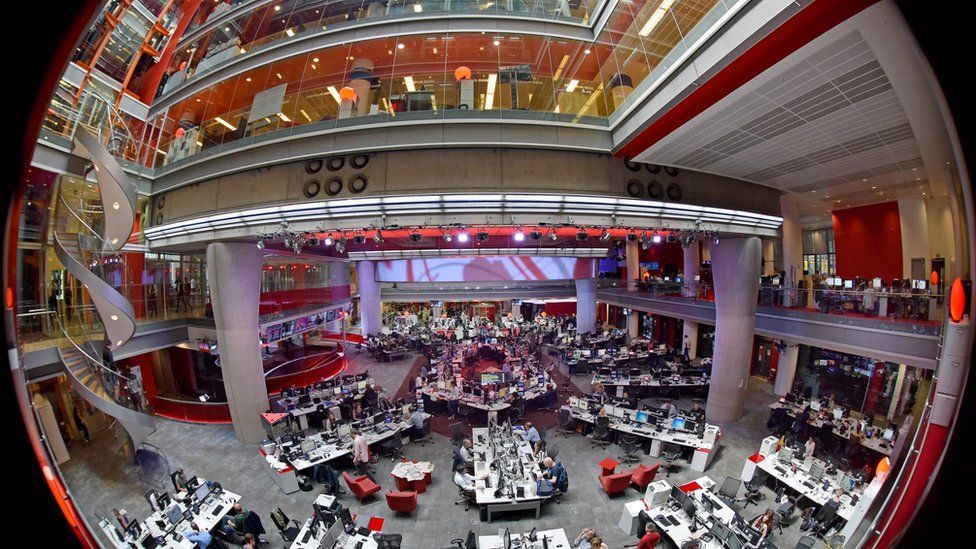
The BBC newsroom is based in New Broadcasting House, London
Plans set out in detail in the BBC's 13-page Across the UK document include:

*  A commitment to commission and produce "a clear majority" of TV programmes across the UK and not in London.

*  A commitment to locate 50% of the money spent on network radio and music outside London by 2028.

*  The moving of major parts of BBC News to locations across the UK.

*  More investment in BBC local reporting and apprenticeships.

*  An upgrade of the BBC's Belfast headquarters.

In an address to staff on Thursday morning, Mr Davie said the plans would make the BBC "a genuinely UK-wide organisation" and "a post-Covid success story admired worldwide".

"People must feel we are closer to them," he said. "This shift will create a much more distributed model that moves not just people, but power and decision-making to the UK's Nations and regions.

"Taken together, our proposals mean the BBC will cumulatively spend at least an extra £700m outside London by 2027/28."

'Bang for their buck'


Broadcasting trade union Bectu said it was "good to see the BBC wanting to build on its strong local offering and prioritise getting closer to communities".

But its "immediate concern" was how the plans would affect is members, adding "the devil will be in the detail".

It said it would examine the proposals closely to ensure "workers are properly supported through these changes and that the need for redundancies is minimised".

MP Julian Knight, chairman of the DCMS committee, said it welcomed the BBC's decision to "rebalance" and "give licence fee payers greater bang for their buck".

He expressed caution over the financial implications, however, saying he hoped the BBC would not repeat "some of the costly mistakes made by the BBC in its previous move to Salford".

'Radical shift'


When Mr Davie was named the BBC's new director general last June, he said the BBC's mission had "never been more relevant, important or necessary".

"Looking forward, we will need to accelerate change so that we serve all our audiences in this fast-moving world," he said.

When he took over the job later in the year, he said there had to be "a radical shift" in the BBC's focus to ensure everyone got value from the licence fee.

"If current trends continue, we will not feel indispensable enough to all our audience," he said. "We must evolve to protect what we cherish."

Newsletter

Related Articles

0:00
0:00
Close
UK Balances Security Commitments With Economic Growth Priorities
Retail and Hospitality Sectors Navigate Consumer Caution and Tax Changes
Key Trends to Watch
British Land Appoints Joanne McNamara as New Chief Executive Officer
UK Government Names New Life Peers Including Former Military and Civil Service Leaders
Institute of Directors Urges Government Action on Employment Costs and Skills Shortages
IMF Raises UK 2026 Growth Forecast to One Percent
UK Retail Sales Growth Slows Sharply as Households Cut Discretionary Spending
UK Ten-Year Bond Yields Remain Above Five Percent as Government Faces Higher Debt Costs
UK Government Plans Earlier End to Low-Value Import Duty Exemption for Online Retail Parcels
Reform UK Leads Tight Westminster Voting Poll as Conservatives and Labour Remain Close
Royal Navy Carrier Strike Group Completes First Arctic and North Atlantic Mission Phase
Andy Burnham Government Cuts Business Rates for Pubs and Music Venues by Twenty Percent
UK Inflation Falls to Two Point Six Percent in June as Food and Fuel Prices Ease
Andy Burnham Becomes UK Prime Minister Facing Growth Challenges and Fiscal Pressure
UK Government Reviews Long-Term Balance Between Cost Relief, Industry Support, and Public Investment Priorities
BBC Could Receive Permanent Royal Charter Under Government Proposal
Northern Ireland Proposes End to Severe Weather Exemptions for Electricity Compensation Rules
Andy Burnham Holds Talks With UK Devolved Leaders on Regional Cooperation and Devolution
House of Lords Launches Inquiry Into Risks Facing UK Democratic Institutions
ScottishPower Renewables Plans Major Rebuild of Whitelee Wind Farm With Fewer Larger Turbines
UK and Italy Leaders Discuss Global Combat Air Programme and Future European Cooperation
UK Government Announces Six Hundred Million Pound Aerospace Investment Package at Farnborough Airshow
European Union Approves UK Participation in Ninety Billion Euro Ukraine Support Loan Framework
Rolls-Royce Warns UK Government Over Jet Engine Funding Decision and Future Manufacturing Plans
UK Inflation Falls to Two Point Six Percent in June as Fuel and Food Prices Ease
Andy Burnham Begins Premiership With Two Pound England Bus Fare Cap and Electricity Tax Cut Plan
YouGov Poll Shows Tight Competition Among UK Political Parties
Space Technology Investment Expands Through UK-US Cooperation at Farnborough Airshow
UK Opens Final India Young Professionals Scheme Ballot for Three Thousand Applicants
United Kingdom Approved for Ukraine Financial Support Initiative With EU Partners
UK and Ireland Leaders Discuss Security, Energy and Regional Cooperation
British Heart Foundation Identifies Ten UK Areas With Severe Shortages of Defibrillators
Former Southern Water Executives Charged Over Alleged Water Test Manipulation Scheme
IMF Warns UK Economic Growth Will Slow to One Percent in 2026
UK Inflation Falls to Two Point Six Percent in June as Food and Energy Costs Ease
United Kingdom Joins European Union Loan Mechanism to Support Ukraine’s Defense Needs
Prime Minister Andy Burnham Introduces Two-Pound Bus Fare Cap and Energy Tax Relief Measures Across England
Northern Ireland Secures Additional Infrastructure Funding From UK Treasury
Wales Approves Port Investment Plans to Support Green Energy Supply Chains
UK Financial Regulator Simplifies Stock Market Rules to Attract More Listings
UK Reports Decline in Small Boat Crossings Across the English Channel
UK Government Creates Emergency Support Fund for Financially Pressured Universities
Scottish Government Launches Economic Strategy Focused on Innovation and Renewable Industries
UK Expands Sustainable Farming Incentives to Support Environmental Measures
UK Government Introduces New Neighbourhood Policing Standards Across England and Wales
UK Competition Regulator Opens Review of Artificial Intelligence Foundation Models
UK Deepens Indo-Pacific Security Cooperation After Talks With Singapore and Japan
UK Announces Rail Modernisation Plan for Northern England With New Infrastructure Funding
UK Government Updates Housing Planning Rules to Accelerate Residential Construction
×