

After swift Cathay staff cuts, does Hong Kong need law to protect workers?
Veteran flight attendant Julian Yau Chi-hung did not get the chance to say goodbye to his Cathay Pacific colleagues in person when he lost his job in October after almost 23 years with the airline.
News of his fate arrived by email soon after the airline made a public announcement that it was axing 5,300 employees in Hong Kong and closing its Cathay Dragon brand in a restructuring to survive the devastating effects of the Covid-19 pandemic.
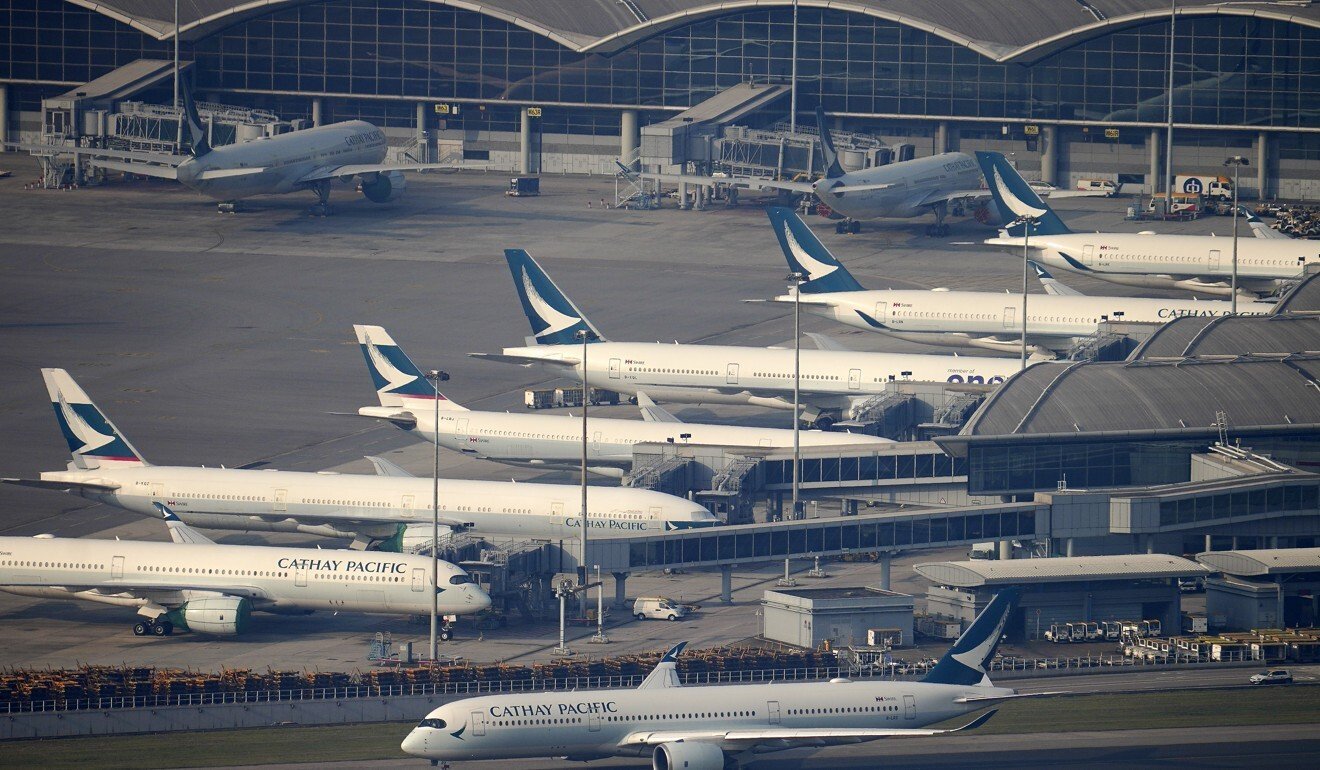
After that round of mass retrenchments, the airline gave its remaining 8,000 flight attendants and 2,600 pilots 14 days to sign new contracts or have their services terminated. Angry staff described the new deals as insulting, with flight attendants’ wages cut by 20 to 40 per cent and for pilots, by 40 to 60 per cent.
“The saddest thing is that I really miss my colleagues and haven’t seen them for a long time because we haven’t been flying. We still haven’t had a chance to meet and say goodbye,” said Yau, 44, a former vice-chairman of the airline’s Flight Attendants Union.
“Cathay’s decision is saddening and disappointing. What I am worried about is that other companies will follow suit and treat their staff the way the airline has treated us. If that happens, Hong Kong’s workers will be in big trouble.”
Hong Kong has an Employment Ordinance that provides for long service and severance payments and protection against unfair dismissal, but does not cover collective bargaining. It does not require employers to discuss important matters such as retrenchments with their workers or unions before going ahead to implement them.
For a brief period in 1997, Hong Kong had a collective bargaining law but it was scrapped in October that year after the British returned the colony to China.
As an employer, Cathay Pacific has long been willing to meet its powerful cabin crew and pilot unions to discuss everything from pay packages to rostering, with some negotiations becoming drawn out and contentious.
But it did not consult the unions before announcing its restructuring and lay-offs last month, despite acknowledging that its moves had caused “great distress and anxiety” to staff.
The controversy over the airline’s action followed similar rows between employers and workers across industries as Hong Kong firms struggle to stay afloat during the pandemic which has wreaked havoc on a severely battered economy.
Earlier this week, Hong Kong’s biggest pay-TV operator, i-Cable Communications, laid off 40 editorial staff in a move to survive the economic downturn and required them to leave immediately.
All 10 journalists on its China desk resigned in protest after the team’s assistant editor, Linda Wong, was told to go. Five editors and 11 reporters on its Hong Kong desk also quit.
The suddenness of Cathay’s lay-offs and the short notice given to surviving staff to accept new contracts have prompted academics and unionists to suggest that Hong Kong needs to enact a collective bargaining law and strengthen labour rights mechanisms.
Such a law would have obliged Cathay and other employers to meet employee representatives in advance and try to agree on a plan that both sides found acceptable.
Employers, however, remain strongly against such a law, saying moves to reduce operating costs were inevitable in the current economic conditions.
The Labour Department maintained in a reply to the Post that “voluntary collective bargaining” has been working well.
Message to staff: ‘Take it or leave it’
Before Yau and his colleagues were retrenched, Cathay had already asked staff to take no-pay leave twice: for three weeks between March and June, and another three weeks between July and the year-end.
With international air travel at a standstill, Yau worked only twice between March and October, once to Bangkok and the other time to Los Angeles. It meant a sharp decline in earnings, as flying allowances are a sizeable part of flight attendants’ wages.
For years, the Cathay Pacific Airways Flight Attendants Union, representing 80 per cent of cabin crew, was considered one of the most powerful unions in Hong Kong.
The airline has held talks with the union every year to discuss the percentage of the annual pay rise. Such negotiations often resulted in threats of industrial action and pressure on the airline to settle the dispute to avoid flight cancellations or delays.
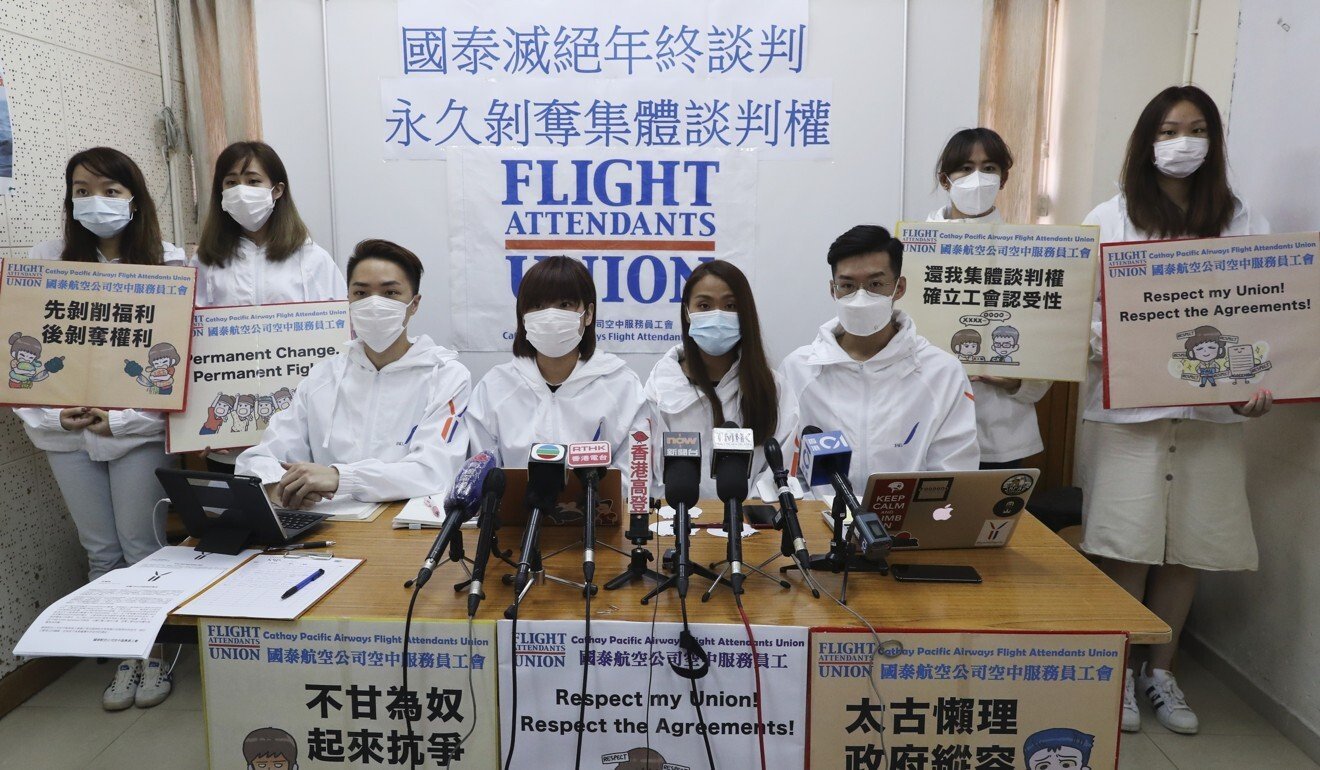
Last week, Cathay dropped a bombshell by telling staff that it would stop negotiating with the cabin crew union over pay and work conditions, calling that an “outdated practice” no longer relevant to the modern world.
The union accused the airline of disrespecting its collective bargaining power, saying Cathay was setting a bad precedent for all enterprises in the city.
As Cathay is one of the biggest companies in Hong Kong and always among the first to announce annual pay adjustment, many employers refer to what it does regarding wages before deciding their own.
“Cathay’s decision this time has dealt a huge blow to Hong Kong’s union movement, not just the airline’s cabin crew union,” Yau said, adding that what made him angry was the management’s unwillingness to discuss it with the unions in advance.
“It effectively told the union that the decision has been made, so live with it,” he said.
The new contracts slash flight attendants’ wages by 20 to 40 per cent, with the most junior cabin crew in a four-tier seniority system getting a monthly basic salary of about HK$10,000 to HK$12,000.
It normally takes 10 years to be promoted to a flight purser, 15 more years to become a senior purser, and about 10 more years to become an in-flight service manager. An in-flight service manager’s base salary will be about HK$33,000 a month under the new contracts.
Pilots will take a 40 to 60 per cent cut, with second officers paid a basic salary of HK$30,000 to HK$35,000 while captains get HK$72,000 to HK$105,000.
Despite the Cathay unions’ threat of legal action, the airline announced last month that 98.5 per cent of pilots and 91.6 per cent of flight attendants accepted the new contracts within the sign-up period.
Anderson Yiu, vice-chairman of the Flight Attendants Union, said some of those who signed up did so because they were afraid they could not find a new job easily.
“Many are already looking for a new job,” he said, adding that others had realised they could no longer hope to be a flight attendant for life.
Cathay had stressed that its restructuring was essential to ensure the airline’s survival and that it tried to protect as many jobs as possible. It said earlier that the new contracts were meant to allow the airline to operate in the “extremely challenging post Covid-19 travel reality”.
City’s shortest-lived labour law
For a few weeks in 1997, Hong Kong had a collective bargaining law that sought to plug the gaps in the Employment Ordinance and safeguard workers’ rights better.
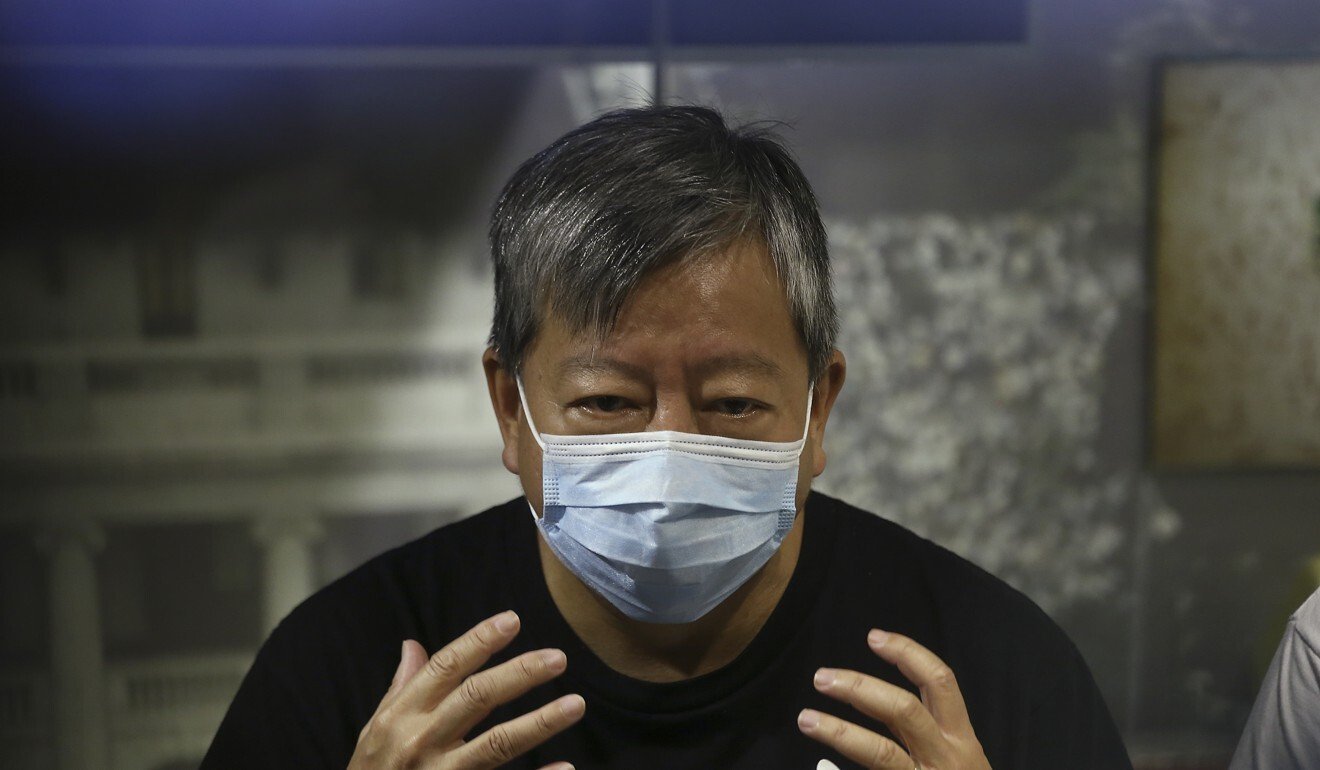
The bill, proposed by unionist and then lawmaker Lee Cheuk-yan, was passed by the Legislative Council in June 1997, a month before Britain handed Hong Kong back to Chinese rule.
Under the law, if a union represented half the staff of a company, management was obliged to talk to it before making decisions affecting the workers’ terms of employment and consult unions on pay packages.
Its passage caused an uproar in the business community and Tung Chee-hwa, the city’s first chief executive after the handover, said the law could hurt Hong Kong’s competitiveness by introducing “unduly restrictive employment practices and terms and conditions”.
The legislation was suspended in July 1997 and scrapped in October, making it the shortest-lived new law in the city’s history.
Lee, currently general secretary of the Confederation of Trade Unions, said if the law had remained in place, Cathay would have had to bargain with its union and settle on a restructuring plan acceptable to both sides.
“Now is the best time to have a collective bargaining law enacted in Hong Kong. Workers need this law to protect themselves when they are most vulnerable,” he said.
“This law cannot guarantee that there will not be pay cuts, but unions can press the companies to promise a pay rise once the economy recovers.”
About a week after Cathay announced its restructuring and lay-offs, Sunflower Travel, a well-known agency, asked all its 300 employees to take unpaid leave until the end of February, and possibly beyond that. It did not consult its workers in advance.
Associate Professor Chris Chan King-chi, from Chinese University’s sociology department, supported introducing a collective bargaining law. He also said the statutory minimum wage of HK$37.50 per hour should be raised, and overtime payments made mandatory.
“Many places already have collective bargaining laws, including Taiwan, Japan, mainland China and Singapore. Hong Kong is an exception in that it is a developed city practising capitalism, yet does not have a collective bargaining law,” he said.
He pointed out that under the labour laws of the United States, for example, companies were obliged to discuss employment matters with unions regularly. Unions could also request to look at the company’s finances and, if a firm wanted to let go of staff to cut costs, the union could present its plans and negotiate.
“If there is such a law in Hong Kong, there are many things Cathay can discuss with its employees. The new contracts could have been a product of such negotiations,” he said, adding that the airline could still choose to restore the terms in the old contracts once business improved.
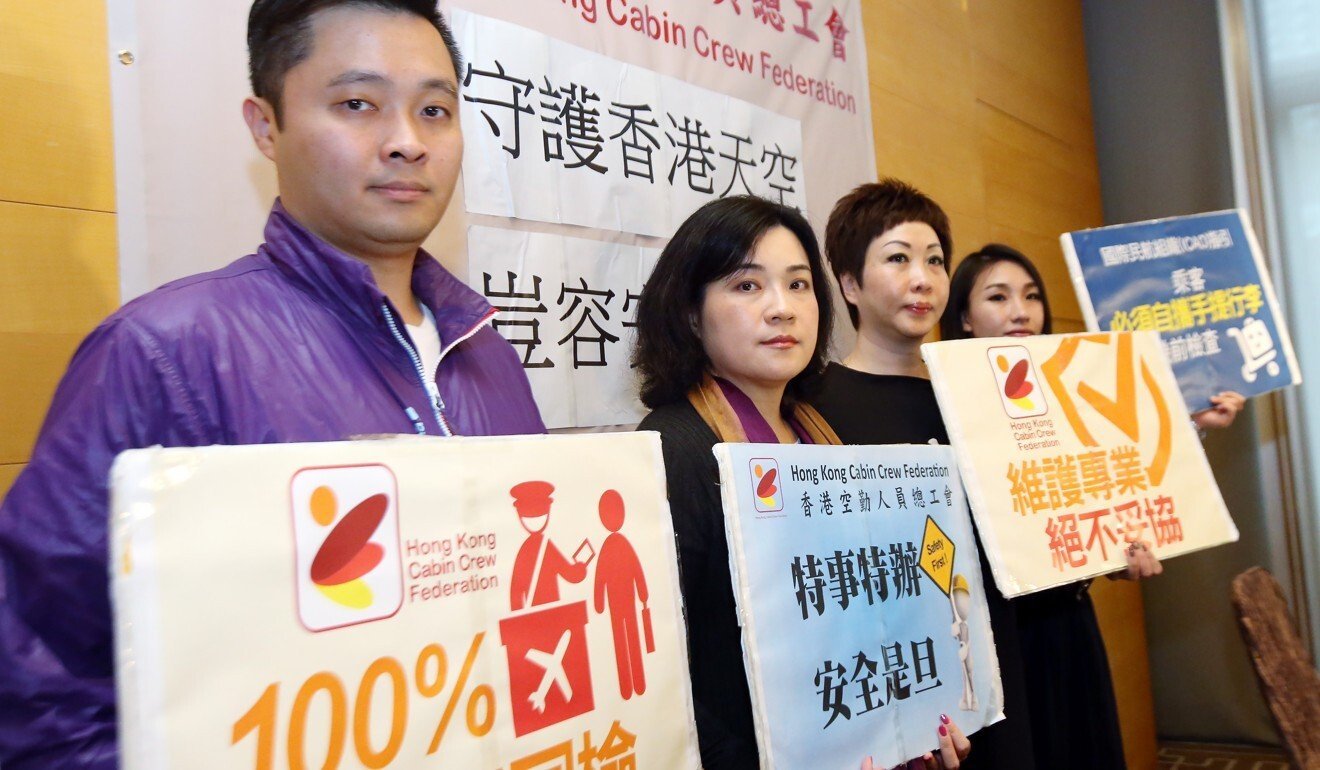
Professor Rick Glofcheski, a labour law specialist at the University of Hong Kong’s law school, said what happened at Cathay showed the weakness of the Employment Ordinance as the flight attendants and pilots had little recourse under the law.
Although the unions threatened legal action, he said the challenge for them would be to prove that the airline violated the legal rights of its employees.
“I am curious what the staff had in mind because to get an injunction, you have to allege that your legal rights have been violated,” he said.
A collective bargaining law would compel employers to recognise unions as the bargaining units for employees, he said, and establish that both sides could discuss the conditions of terminations and reinstatement.
‘Lay-offs are unavoidable’
Hong Kong’s economy took a hit during the months of anti-government protests last year, and sank into recession after the pandemic struck this year. Unemployment surged to a nearly 16-year high of 6.4 per cent in the period from July to September.
Asked about the rights of workers in the city, the Labour Department said the government “strives to encourage and promote voluntary collective bargaining”.
“The existing practice of direct and voluntary negotiations between employers and employees at the enterprise and industry levels, underpinned by the conciliation service rendered by the Labour Department, has been working well,” it said.
“So far there is no consensus in the community on the issue of introducing collective bargaining by legislation.”
Danny Lau Tat-pong, honorary chairman of the Hong Kong Small and Medium Enterprises Association which represents employers in retail, finance, information technology and trading, among others, said he was against having a collective bargaining law because it would harm the way the free market operated in the city.
He pointed out that these were exceptionally difficult times for businesses, with the economy in recession and many struggling to survive.
“Take the Cathay Pacific restructuring, for example,” he said. “The airline didn’t fire its staff while making a lot of money. It did so because its business has been really bad. It did what it needed to do to survive. Letting go of its employees was unavoidable.”