

Woman who predicted the pandemic now preparing for meteorites and solar pulses
Dr Sarita Robinson, who studied ‘prepping’ – preparing for major emergencies – and self identifies as one, is now worried about meteorite strikes and solar pulses.
When Covid-19 struck the UK in March, the academic was ready with her ‘pandemic kit’ — including hand sanitiser, gloves and face masks — which she had stored under her sink for a decade. She claims preppers’ foresight took the strain off supply chains when panic buying hit supermarkets – but adds that no one could have been ready for the emotional strain of 2020.
Twelve months on from three British preppers telling Metro.co.uk how to get ready for apocalyptic events, we had a virtual catch-up with the trio, to get their thoughts on what they made of this year’s events, and what they are preparing for in the future.
From live yeast becoming ‘gold dust’ in Slovakia, to getting Covid-19 and no longer being seen as ‘tin foil hat people’, this is what they told us.
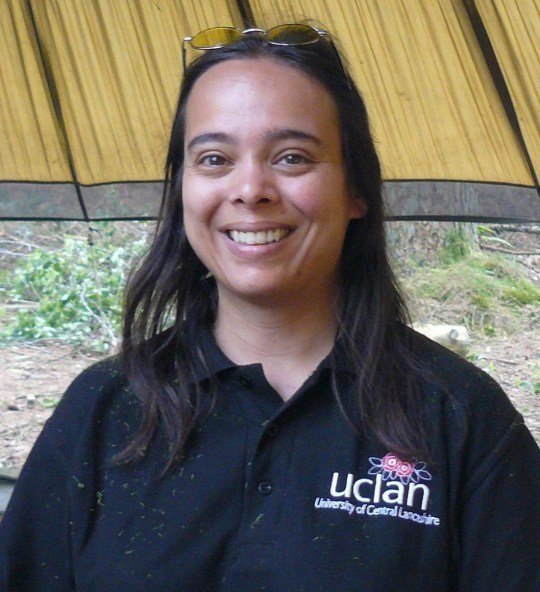
Dr Sarita Robinson, 45
Last year, Preston-born Dr Robinson told us about her ‘very low level of prepping’ and admitted to being most concerned about a flu pandemic.
A year on, having been promoted at the University of Central Lancashire, where she is now deputy head of school, she says she does not feel any sense of ‘I told you so’ about what has happened.
Do you feel smug about predicting a flu pandemic?
‘I think I would take a flu pandemic over this one,’ she explains.
‘People say “do you feel smug” and I say “no”, even I did not know how bad it would be. I really didn’t appreciate how long it would take.
‘It hasn’t got as bad as it could have been – I can’t imagine what this would have been like if it was affecting children.
‘I think smug is the wrong word. Having some face masks and toilet roll was good but I don’t think anybody could have been quite prepared for the scale of it.’
What do you fear most next?
‘A solar pulse or a meteorite strike.’
‘Or,’ Dr Robinson adds with a chuckle, ‘I would go with aliens at this point – we have got to the hysterical stage of the pandemic.’
On a less apocalyptic note, she predicts what may happen when the threat of Covid-19 recedes: ‘Next is interesting. How do we go back to normal after a vaccine – we will probably get a good amount of hedonism.
‘It would be like a pressure cooker is released.’
Were you prepared for what happened?
‘I had my pandemic kit under the sink for a good few years, that I could share with family. So I had gloves, masks, hand gel, disinfectant spray.
‘I had that under the sink for about 10 years, I had replaced the spray and hand gel (recently).
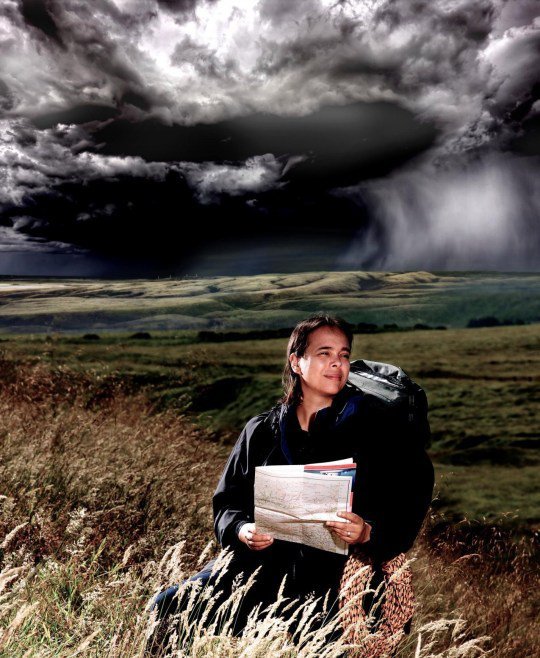
‘There is also the emotional prep – some days we feel fine, other days we feel sad, down and of course there are little sadnesses like not being able to go to my niece’s birthday party or celebrate a promotion, and it is about how we prepare ourselves emotionally for what is going to be a really bad Covid winter.’
How did the pandemic impact preppers?
‘It was quite interesting on the preppers – there was a media pick up but actually preppers took pressure off the supply chain – we (already had) our toilet roll under the stairs.
‘We went from prepping to being prepared and just did not go shopping for six weeks.
‘It was the people who were not prepared that were causing issues.
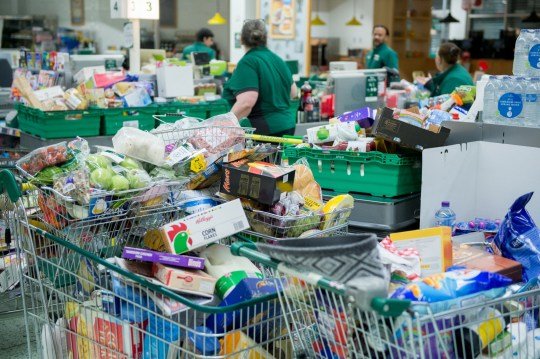
‘Stocking up on food is not a crazy response.
‘People have now got a bigger awareness of how supply chains can be affected by desperation, definitely an awareness of what can go wrong.’
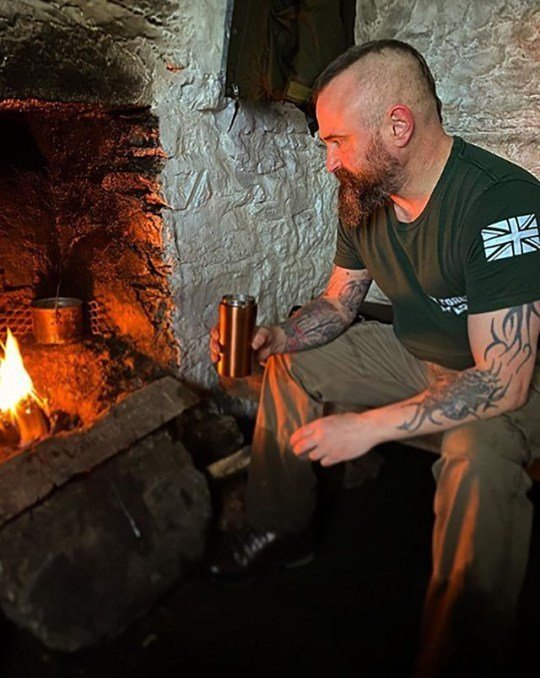
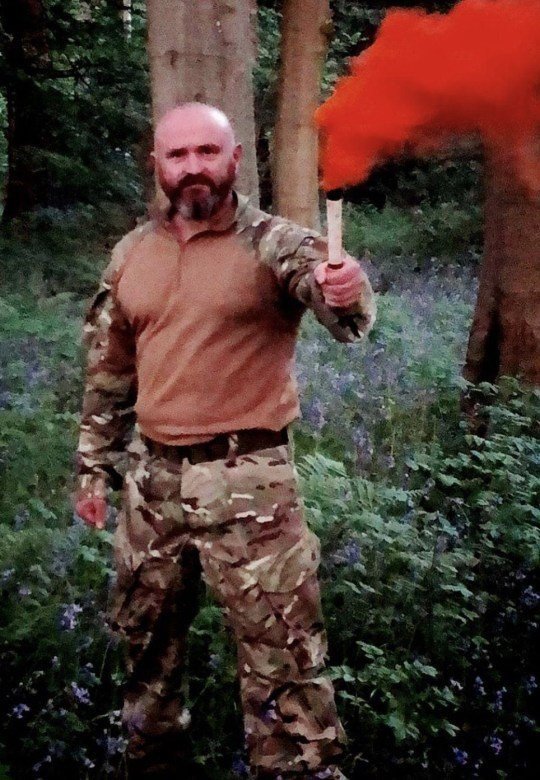
John Hughes, 45
Gym worker John Hughes admits he ‘didn’t see this coming’ and has beaten Covid-19 since we last spoke.
But, from his home atop a hill in Mold, Wales, Mr Hughes is all set for any number of events.
Originally from Haverfordwest, the former serviceman, who is considering joining the armed forces again, says there is a ‘bigger picture’ on coronavirus.
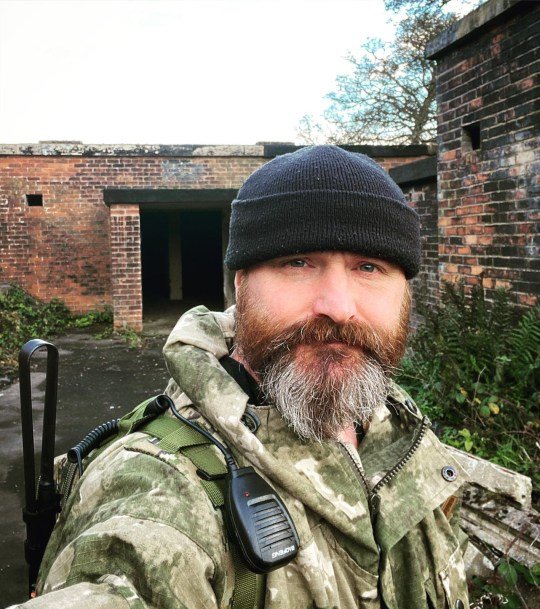
But he believes things like power outages are the biggest threat to ordinary people and urges them to ‘learn from the past’ when it comes to prepping for the future.
Were you prepared for what happened?
‘I knew I was preparing for something but I didn’t quite know what it was. Then this something landed on our laps and I was like “yeah, here we go”, Mr Hughes says.
‘To be fair, I didn’t really have to touch (my supplies), there was no real shortage. Sure, there were some things that weren’t there. But we weren’t hungry. For me, everything was in place – if it got worse, then my supplies would have come in handy.
‘If we were rationing what I’ve got (I could have lasted) a couple of months.
‘Prepping is all about asking yourself the question “what can I prepare for”, and I didn’t see this coming.’
How has the pandemic impacted preppers?
‘We have had a lot of interest, a lot more people asking for advice. The general population now don’t really see us – there will still be people out there who think this – but they don’t really see us as tin foil hat people now.
‘I think it has caught their eye, people are thinking, “is it so foolish”?
‘Someone suggested to me that I was a panic buyer. I said “look, I’ll stop you right there – I haven’t panic bought anything, (it’s non-preppers that have) you’re just angry at me because you’ve been caught with your pants down.”’
If another pandemic happened, would we be more prepared?
‘There is very little we can do on the ground, the average Joe, we can prep for it knowing what we know, but can the (powers that be)? Have they learned from this? I would like to think they have.’
What was your initial reaction to the pandemic?
‘When it all kicked off, for me, there was an element of “I don’t like this one bit, I don’t like it, I don’t trust it, something is dodgy about it.”
‘It was more of a “oh really, I don’t trust this, it stinks” type thing – that was my reaction. There is a bigger picture, 100%, and we the public will find out one day.’
What are you most scared of next?
‘I am still sticking to my guns on flooding, power outages and natural disasters.
‘Initially, I was thinking, am I barking up the right tree here? When the Covid thing hit, it ensured that prepping was the way for me… It sealed the deal for me that I’ve just had two quite lengthy power outages and a water outage.’
On coronavirus and panic buying, he adds: ‘We have to look back and analyse what happened – ok, the shelves emptied. Well, let’s not be part of that problem now, let’s not let the government wipe our noses and what not, let’s do it ourselves. A bit of self help.’
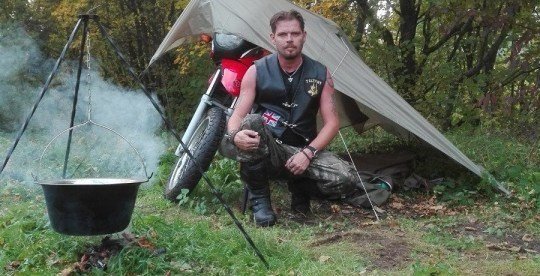
Edward O’Toole, 46
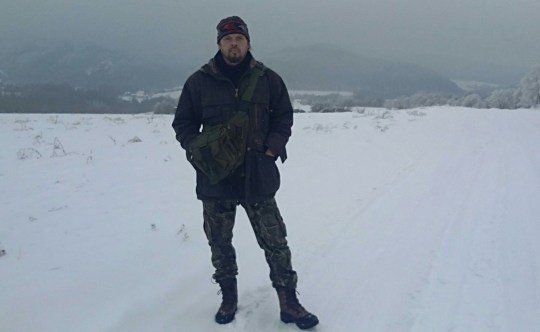
Mr O’Toole, an author and artist who now lives in the Carpathian mountains in Eastern Slovakia, says the pandemic is ‘just the beginning’.
He also picks up on the ‘emotional preparation’ for events such as this crisis – and says the psychological fall out will last for years.
Originally from Chester, he believes many preppers feel that their ideas have now been vindicated.
What did you do when Covid-19 hit?
‘When the first lockdown was announced in March out here, we just packed some things and moved to our house in the country,’ Mr O’Toole explains.
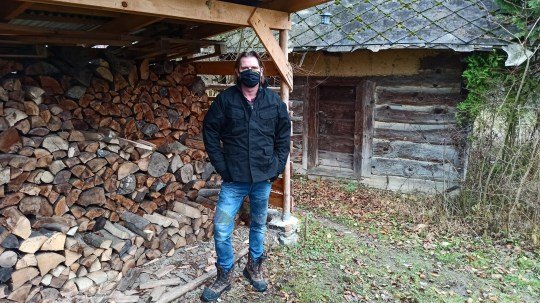
‘Usually we don’t move until Easter because of the weather, but we went a bit earlier. That made it difficult for a few weeks due to the cold but we adapted quickly.
‘Thankfully, there wasn’t much panic buying where I am (except for live yeast, which became like gold dust) so we could stock up on things we were missing.’
What impact has the crisis had on preppers compared with non-preppers?
‘I think many preppers must have felt their ideas justified to some extent when the pandemic really began to take force. Having the basic essentials at home to weather a short period of restrictions and lack of availability of normal produce, and not being massively in debt for multiple cars you’re not currently allowed to drive, are just two things many preppers have been trying to explain to others for years.
‘The general populace, much like during the Blitz and later in rationing, has had to learn very quickly what an alternative life might be like.’
He adds: ‘The social, economic and psychological effects of 2020 will completely reshape our future society as it will always be playing in the back of people’s minds when they want to splurge, or even go to a crowded venue.’
What were we not prepared for?
‘I think one major factor for prepping that became all too clear during recent months is just how much plans can be disrupted by governmental action.
‘I can imagine many, especially urban, preppers who had based their “bug out” idea on escaping the city and going to some remote location in the countryside but were prevented from doing so by imposed travel restrictions and home quarantine.
‘It is anathema to most preppers with a long term plan for the safety and well-being of themselves and their families to remain in an overcrowded urban environment with dwindling resources.’
Mr O’Toole, who says he made an amateur feature length film called ‘Leshy – True Carpathian Forest Horror’ to stay busy, continued: ‘The psychological aspects of the pandemic were probably the least prepped for – the loneliness, the depression, the isolation, the fear of losing employment, the lack of a predictable future.
‘It’s one thing having a cupboard filled with long-life goods but it’s another if you’re locked in your house and can’t meet another person for several months.
’Many preppers include board games and other distractions in their supplies, but I think experimenting with different hobbies and interests is essential also.’
What should we be concerned about next?
‘I’d say that this pandemic is just the beginning. We’re about to enter the age of “Civilisation 2.0” and there will be huge changes ahead for many of us. The fact is that industry is automating and we’re not going to need millions of unskilled workers.
‘More digitisation also means a virtual end to general office workers and bureaucrats, perhaps ultimately even teachers and doctors.’
He predicts: ’The “new normal” is only just the first step of many new normals. People will need to adapt to much shorter term and even spontaneous changes to normal living, whether caused by the pandemic or other such global events.
‘Preppers will need to react much faster, at the first inkling of something about to go down. It will be interesting to see whether all this turns future generations into live-for-the-moment hedonists or careful planners predicting all possible outcomes.’