

Ukraine war: How Finland has been preparing for an invasion from Russia since 1993
On a quiet, sunny morning in the suburbs of Helsinki, we pull into the car park of a swimming pool.
You wouldn't really know it was here. The only sign of activity is a large glass canopy, rather like a very expensive bus shelter, with glass doors that open to stairs, curving down and away from us.
But don't be deceived by the unassuming start. Because this is a swimming pool like no other. And it tells us just about everything we need to know about why Finland worries about a Russian invasion.
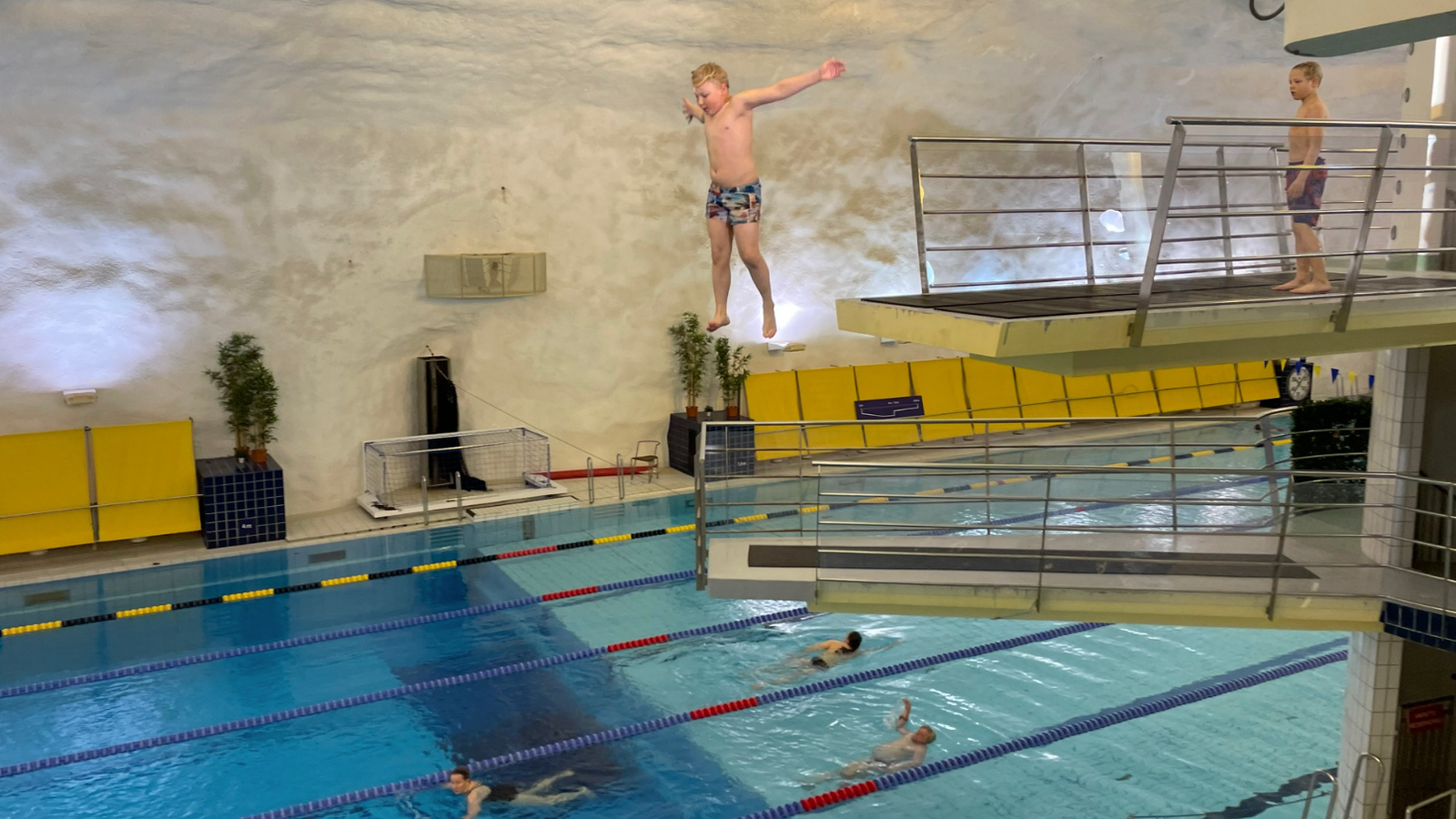 In less than a day, the swimming pool can be drained of water and reconfigured to be a bomb shelter
For a start, it sits way underground. The walls, for very good reason, look they have been carved out of the rock - above the swimmers is 15 metres of granite bedrock.
Hidden away behind the netting in the main entrance, or down in the basement, are massive blast doors. There's a sophisticated air filtration system and even pressure valves capable of dealing with vast explosions.
So this isn't just any old swimming pool. In less than a day, it can be drained of water and reconfigured to be a bomb shelter, capable of accommodating nearly 4,000 people.
This pool-cum-shelter was built in 1993 with both jobs in mind. Helsinki has a few more of these sorts of places - leisure centres, community facilities and even a go-kart track that are built with catastrophe in mind.
In Japan, Iceland or California, it might be the threat of natural disaster that changes your architecture. Here in Finland, they know exactly what the threat is, and it's not an earthquake or a volcano. It's the prospect of Russian soldiers, pouring over the border or firing missiles at them.
The Finns have a cultural memory of this. Russia attacked them in the Winter War of 1939-40 and then again later in the Second World War, and the memories of that conflict have been passed down as a warning that their neighbour cannot be trusted. Talk to people in Finland about Russia, and the Winter War will come up in conversation within moments.
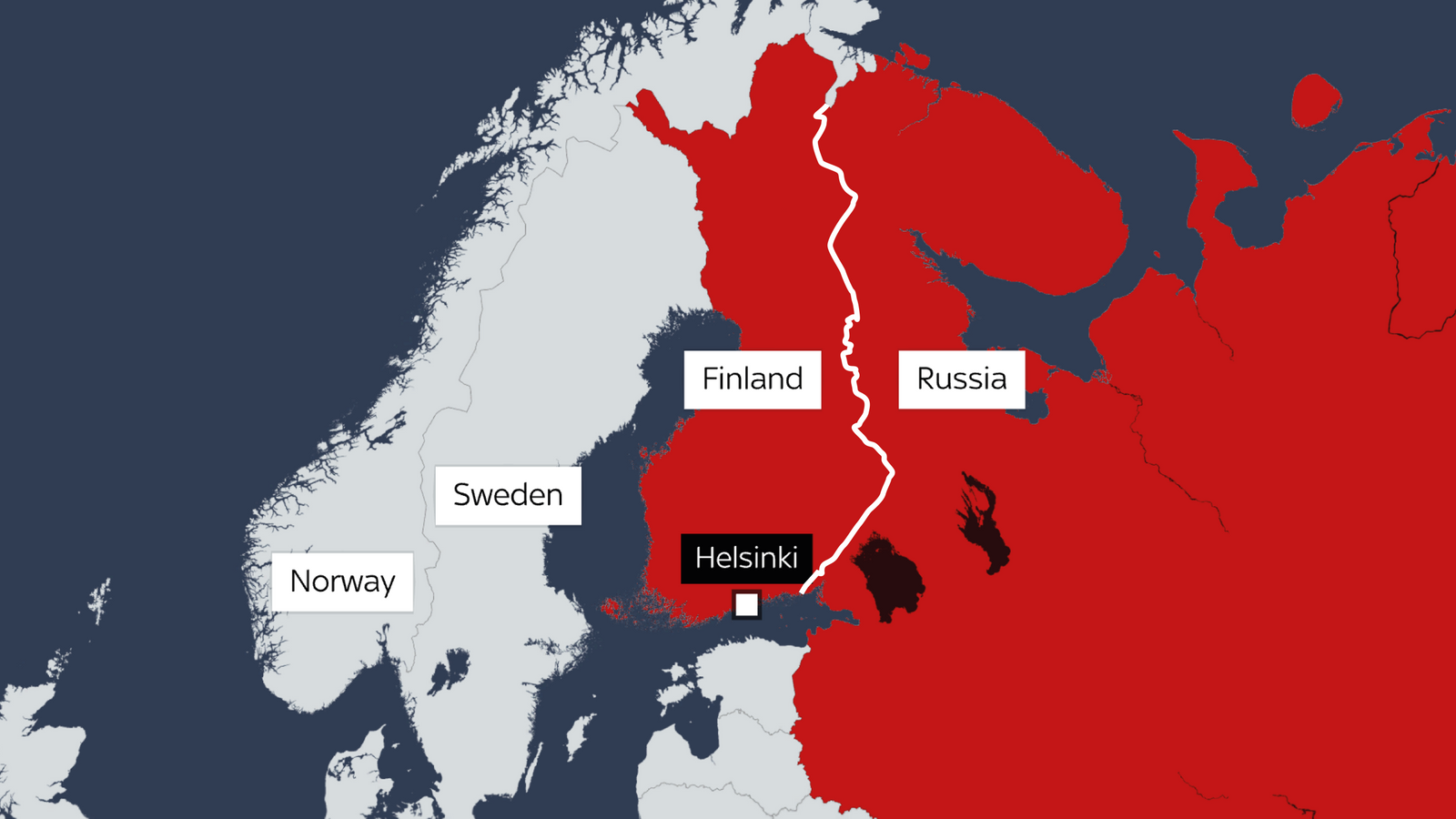 Finland shares a long border with Russia
So they have spent decades preparing. Helsinki, a city of around 650,000 people, can accommodate some 900,000 people in its shelters. Apartment blocks, offices and hotels have to include such shelters.
And for long decades, they've been something of a novelty. But now, for the first time in so long, they seem horribly relevant.
'If something unordinary happens we are not paralysed completely'
Tomi Rask has been showing us around. He works for the city's Rescue Department, maintains and monitoring all these plans about what to do if the worst were to happen.
Tomi says that he always assumed that his work was simply to help future generations, but now he's not sure. These plans feel more relevant now, he says, than at any point in his 25-year-long career.
His hope is that "if something unordinary happens, we are not paralysed completely - we can keep society working on some level at least." It is a horribly stark statement; a bizarre idea as we sit a few metres away from Finnish pensioners slowly swimming lengths of the pool.
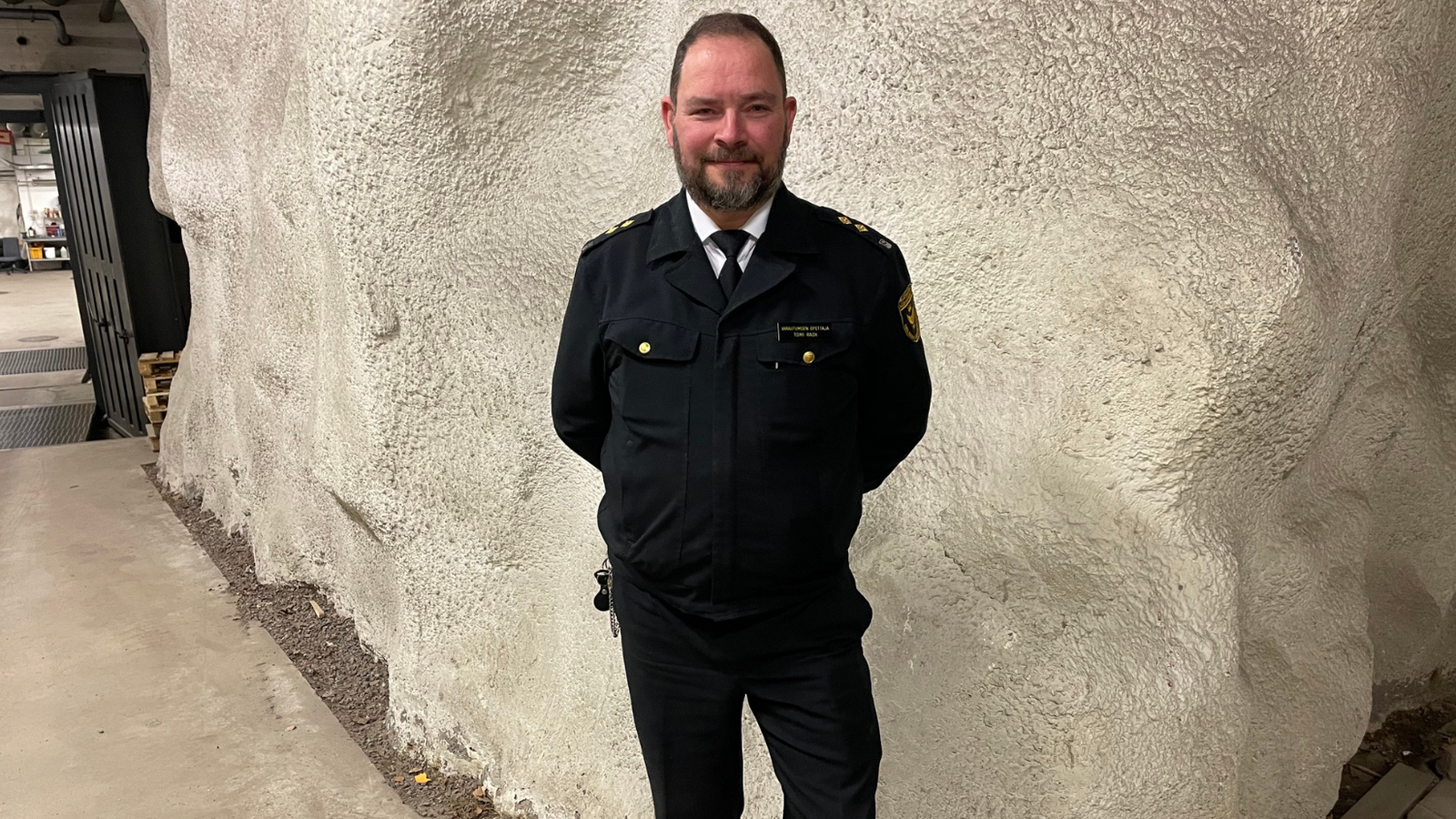 Tomi Rask says that he always assumed his work was simply to help future generations but that now he's not sure
But Finland is nervous, and it is steeling itself. Finns, already wary of Russia, have looked at Ukraine and seen uncomfortable parallels. Little wonder that, after decades of refusing to sign up with any military alliance, Finland is almost certain to start the process of joining NATO.
Pekka Haavisto is the country's foreign minister. He understands why his nation seems anxious.
"Finns are very security-oriented people and when they see possible security threats they are thinking about the worst-case scenario," he says. "The government thinks about the worst-case scenarios; the Parliament debate is about the worst-case scenario.
"We hope that these will never come. People don't like war and people want war between Ukraine and Russia to come to an end, but at the same time you are ready to defend your own country. I think this is what the current mood in Finland is."
As for that NATO application, he won't actually say that it is imminent, but he comes as near to a confirmation as possible: "In Finland we have been keeping in our white papers in Parliament always what we call the NATO option - that if the security situation in Europe changes then we would be ready to look for the NATO membership. And this is probably now the change that we are ready to make."
Military supply shops await sales surge once Finland applies to join NATO
We travel to a military supply shop, called Varusteleka, where sales went up dramatically after the Russian invasion of Ukraine. Some buying sleeping bags and first aid kits; others ordering bulletproof ballistic vests and combat supplies.
Once Finland applies to join NATO, they are expecting another surge of sales, thanks to the fear of Russian reprisals.
"Things that people thought would never happen - have happened," says Elina Hame, the company's purchasing director. "Russia, our neighbour, is at war. It's a difficult thing to comprehend.
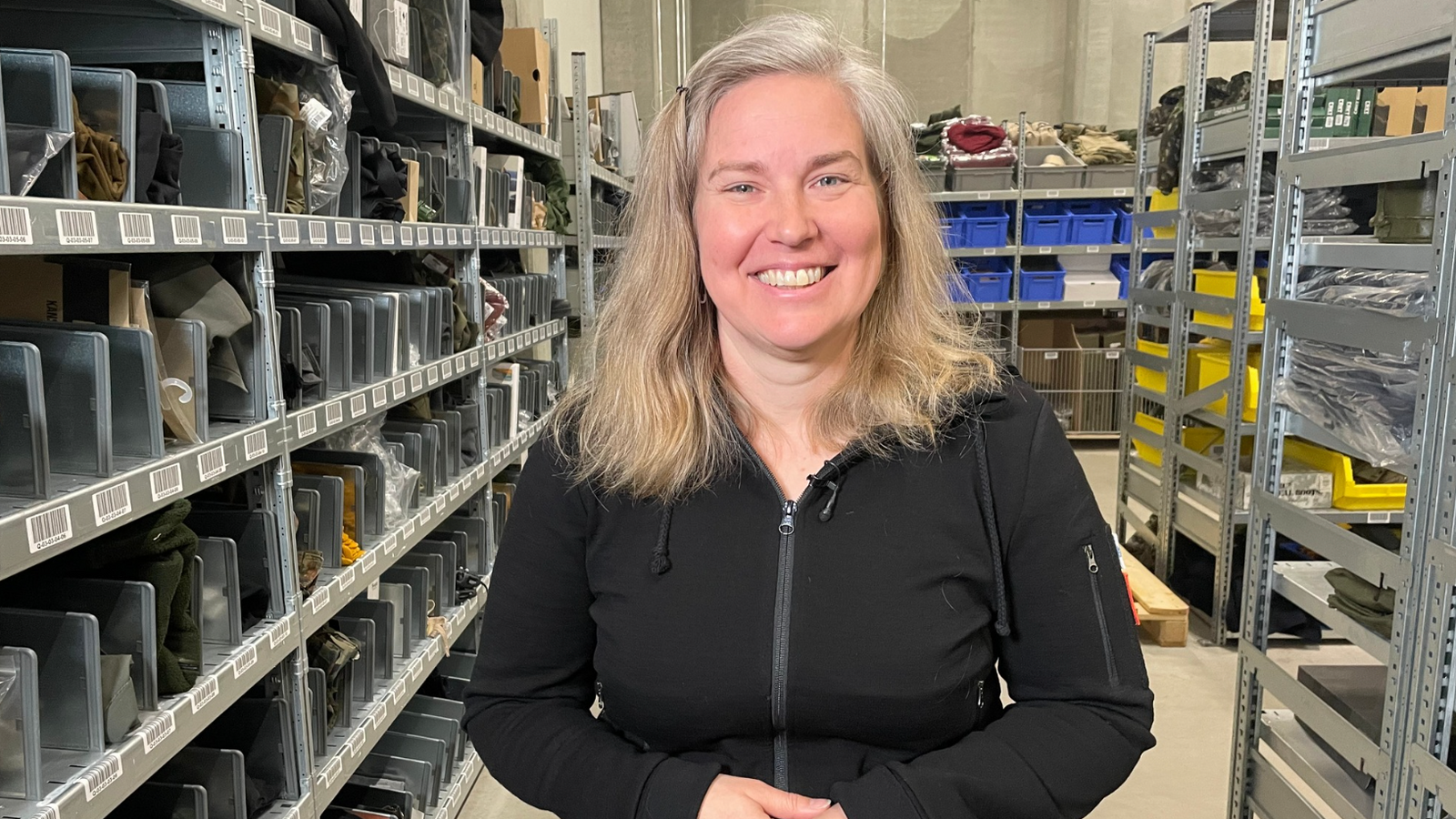 Elina Hame, the company's purchasing director called the Russian war "a difficult thing to comprehend"
"I myself don't comprehend it too well. Maybe the customers don't. But they want to act. They want to do something so they can feel that they can prevent bad things from happening."
And, like Ukraine, Finland is not short of military experience. Conscription is still a fact of life for 18-year-olds here while there are the best part of a million people in the reserves.
At a shooting range on the edge of the city, club members are running through drills. One at time, they fire shots from semi-automatic rifles, darting behind cover and aiming at targets, then run forward to rescue a weighted model person and get back to base, before unleashing a few more rounds to finish.
Max Kaar, a reservist himself, is one of the organisers. He says they've signed up more members over the past six weeks than they would be expected to recruit in two years.
"I think the lesson is to prepare, be ready for whatever eventualities may come up and take whatever action you can do to get prepared, get trained and get organised," he says.
"You should have a supply in your home, in case the power and water goes out for a number of days or weeks, just to be able to take care of yourself and your family."
This is the rhetoric of fear, but also of determination, and it reminds me of exactly the sort of things people said to me in Kyiv, just before Ukraine was invaded. The same anxiety blended with national pride.
The reality is different. Finland is a member of the European Union and will shortly apply to join NATO. It is protected in a way Ukraine wasn't. The chances of Russia actually attacking Finland are tiny.
But here, they do worry, just as they have done for so many years. They hope for the best but, determinedly, they also prepare for the worst.