UK Moves Toward Full Nationalisation of British Steel as Industrial Strategy Tightens
Government prepares legislation to bring British Steel under state control, marking one of the most significant interventions in UK heavy industry in decades amid energy costs, competitiveness concerns, and job security pressures.
The United Kingdom government is preparing legislation to fully nationalise British Steel, signalling a decisive shift in industrial policy and state involvement in strategic manufacturing sectors.
The plan is expected to be formally outlined in the upcoming King’s Speech, where the government’s legislative agenda is set out.
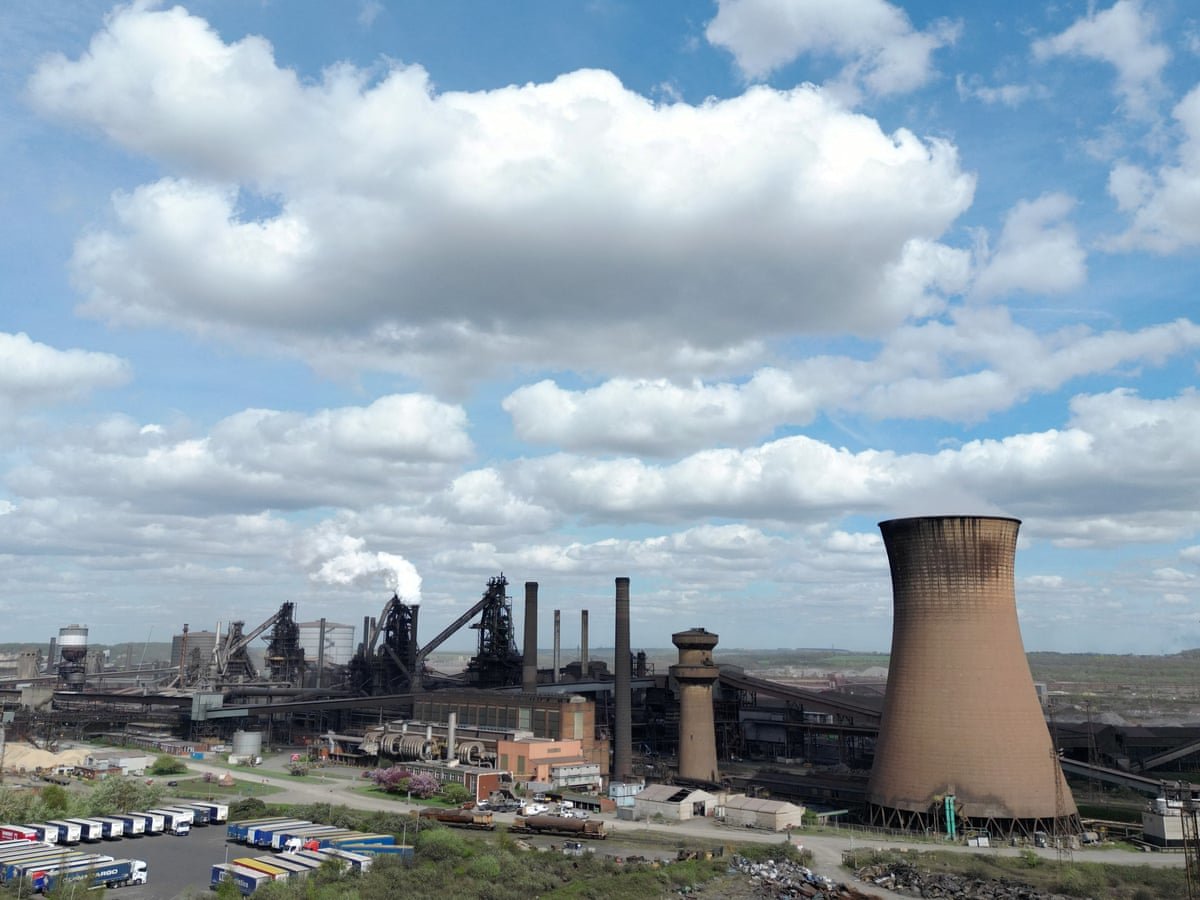
What is confirmed is that British Steel, one of the country’s last major steel producers, has been under sustained financial pressure driven by high energy costs, global oversupply, and structural changes in steel demand.
The company’s ownership and operational viability have repeatedly been the subject of government intervention discussions, particularly as production assets are considered strategically important for infrastructure, defence, and construction supply chains.
The move toward nationalisation reflects a system-driven response to long-standing structural weaknesses in the UK steel industry.
British Steel has faced repeated ownership changes in recent years, including restructuring under previous administrations and private ownership transitions that have not resolved underlying competitiveness issues.
The industry’s reliance on energy-intensive blast furnace production has made it particularly vulnerable to electricity and gas price volatility.
The key issue behind the decision is industrial resilience rather than short-term profitability.
Steel production is treated by policymakers as a strategic capability, not just a commercial sector.
Government officials have increasingly framed domestic steel capacity as essential for national infrastructure projects and defence supply chains, particularly as global trade tensions and supply chain disruptions have highlighted dependency risks.
If implemented, nationalisation would place British Steel directly under state control, allowing the government to direct investment, production planning, and long-term restructuring.
It would also transfer financial risk from private ownership to the public balance sheet, raising questions about cost, efficiency, and long-term viability.
At the same time, proponents argue it would stabilise operations, protect jobs, and preserve domestic steelmaking capacity that might otherwise decline further.
The proposal also reflects wider political pressure surrounding industrial employment and regional economies.
Steel production remains concentrated in specific UK regions where it forms a major source of skilled manufacturing jobs.
Any restructuring or closure of facilities would carry significant economic and political consequences, particularly in areas already exposed to industrial decline.
The expected announcement in the King’s Speech places the policy within a broader legislative programme focused on infrastructure investment, economic resilience, and strategic industry support.
While details of the nationalisation structure have not been fully published, the direction of travel indicates a more interventionist approach to heavy industry than has been typical in recent decades.
If enacted, the move would mark one of the most significant state interventions in UK manufacturing since the late twentieth century, redefining the relationship between government and strategic industrial assets at a time of heightened global economic competition.
The plan is expected to be formally outlined in the upcoming King’s Speech, where the government’s legislative agenda is set out.
What is confirmed is that British Steel, one of the country’s last major steel producers, has been under sustained financial pressure driven by high energy costs, global oversupply, and structural changes in steel demand.
The company’s ownership and operational viability have repeatedly been the subject of government intervention discussions, particularly as production assets are considered strategically important for infrastructure, defence, and construction supply chains.
The move toward nationalisation reflects a system-driven response to long-standing structural weaknesses in the UK steel industry.
British Steel has faced repeated ownership changes in recent years, including restructuring under previous administrations and private ownership transitions that have not resolved underlying competitiveness issues.
The industry’s reliance on energy-intensive blast furnace production has made it particularly vulnerable to electricity and gas price volatility.
The key issue behind the decision is industrial resilience rather than short-term profitability.
Steel production is treated by policymakers as a strategic capability, not just a commercial sector.
Government officials have increasingly framed domestic steel capacity as essential for national infrastructure projects and defence supply chains, particularly as global trade tensions and supply chain disruptions have highlighted dependency risks.
If implemented, nationalisation would place British Steel directly under state control, allowing the government to direct investment, production planning, and long-term restructuring.
It would also transfer financial risk from private ownership to the public balance sheet, raising questions about cost, efficiency, and long-term viability.
At the same time, proponents argue it would stabilise operations, protect jobs, and preserve domestic steelmaking capacity that might otherwise decline further.
The proposal also reflects wider political pressure surrounding industrial employment and regional economies.
Steel production remains concentrated in specific UK regions where it forms a major source of skilled manufacturing jobs.
Any restructuring or closure of facilities would carry significant economic and political consequences, particularly in areas already exposed to industrial decline.
The expected announcement in the King’s Speech places the policy within a broader legislative programme focused on infrastructure investment, economic resilience, and strategic industry support.
While details of the nationalisation structure have not been fully published, the direction of travel indicates a more interventionist approach to heavy industry than has been typical in recent decades.
If enacted, the move would mark one of the most significant state interventions in UK manufacturing since the late twentieth century, redefining the relationship between government and strategic industrial assets at a time of heightened global economic competition.