London Daily

Focus on the big picture.
Thursday, Jan 22, 2026

UK cyber security law forcing energy companies to report hacks has led to no reports, despite numerous hacks

UK cyber security law forcing energy companies to report hacks has led to no reports, despite numerous hacks

The threshold to determine whether an incident affecting energy companies is reportable has prevented any reports being made.

A cyber security law introduced three years ago was meant to boost the resilience of the UK's energy sector by obliging gas and electricity firms to report when they were hacked.

But since then not a single report has been made, Sky News can reveal, despite numerous successful hacks of British energy firms attributed to hostile states as well as criminal groups.

Ofgem, the authority that is meant to receive these reports, told Sky News that only one company has ever tried to file a report informing the regulator that it had been hacked, but they were dismissed as the incident did not meet the threshold for being reported.
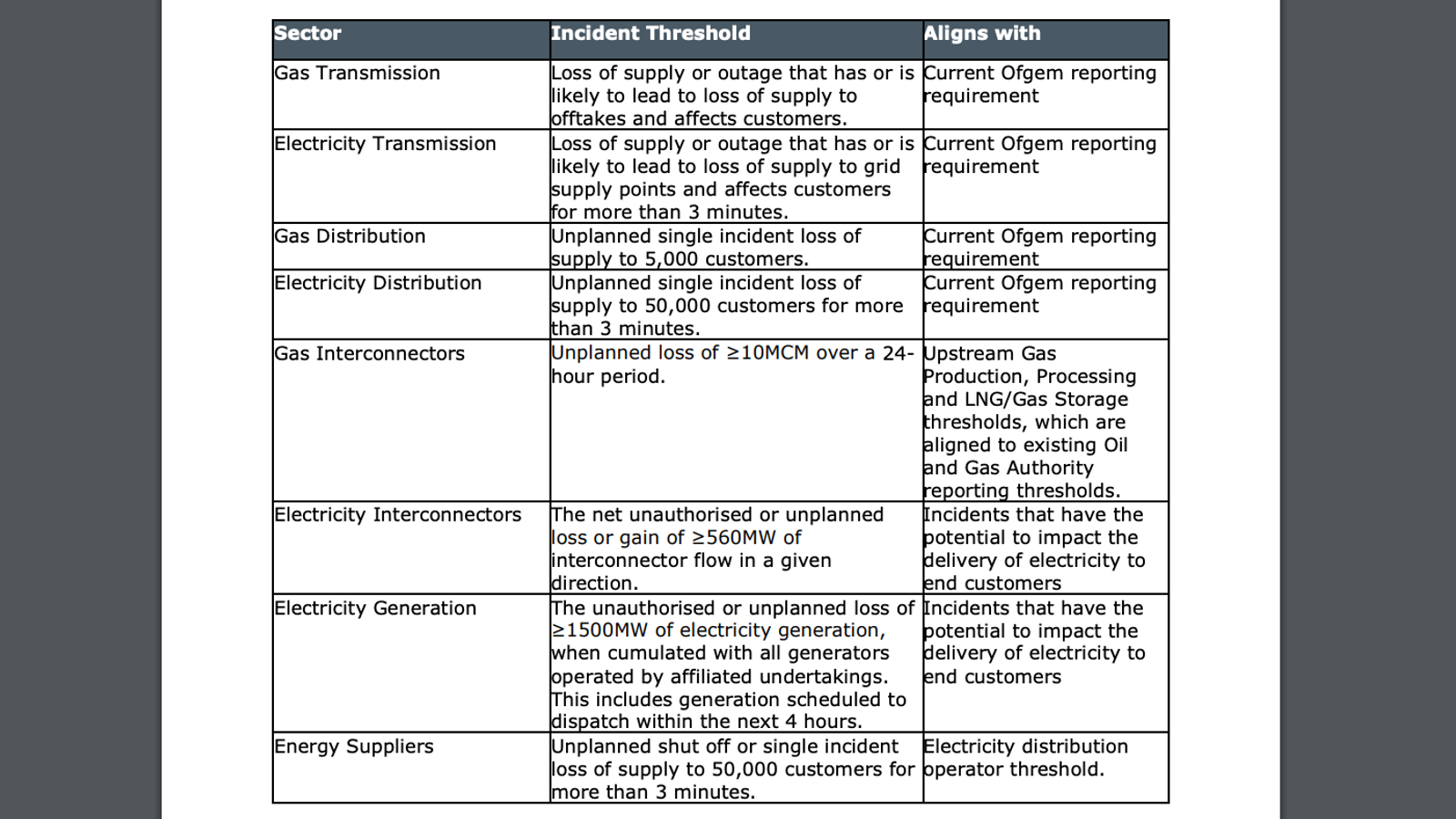
Ofcom's incident thresholds are based on the impact of an attack on customers


Last year, staff at a little-known company called Elexon - a firm that plays a critical role in balancing and settling payments between power plants and electricity suppliers - was left locked out of its internal systems due to a ransomware attack.

The British government has confirmed that Russian state-sponsored hackers have successfully penetrated the computer networks of the UK's energy grids, without disrupting them.

Former defence secretary Gavin Williamson warned that "thousands and thousands and thousands" of people could be killed if an attempt at disruption was made.

But the high thresholds for companies working across the gas and electricity sectors to report cyber security incidents to Ofgem risks leaving the regulator blind to how the sector is actually coping in the face of these threats.

These thresholds are based on the impact of hacks to the continuity of the companies' services, a metric that does not record the sector's security capabilities, just the intentions of the attackers.

Dr Jamie Collier, a threat intelligence consultant at FireEye, told Sky News that the thresholds could be useful considering the varying levels of sophistication across attacks on critical infrastructure organisations, allowing defenders to "focus on what really matters".

But the cyber security expert added: "Despite this, essential service providers and regulators should be careful not to neglect the threat posed from less sophisticated attacks."

FireEye has detected an increase in critical infrastructure incidents caused by novice hackers due to the growing availability of tools enabling these hackers to interact with industrial control systems.

The company also warns that multiple, highly-prolific criminal organisations with a financial motivation are currently "active inside essential service provider networks with the intent of profiting from a ransom of stolen information and disrupted services".
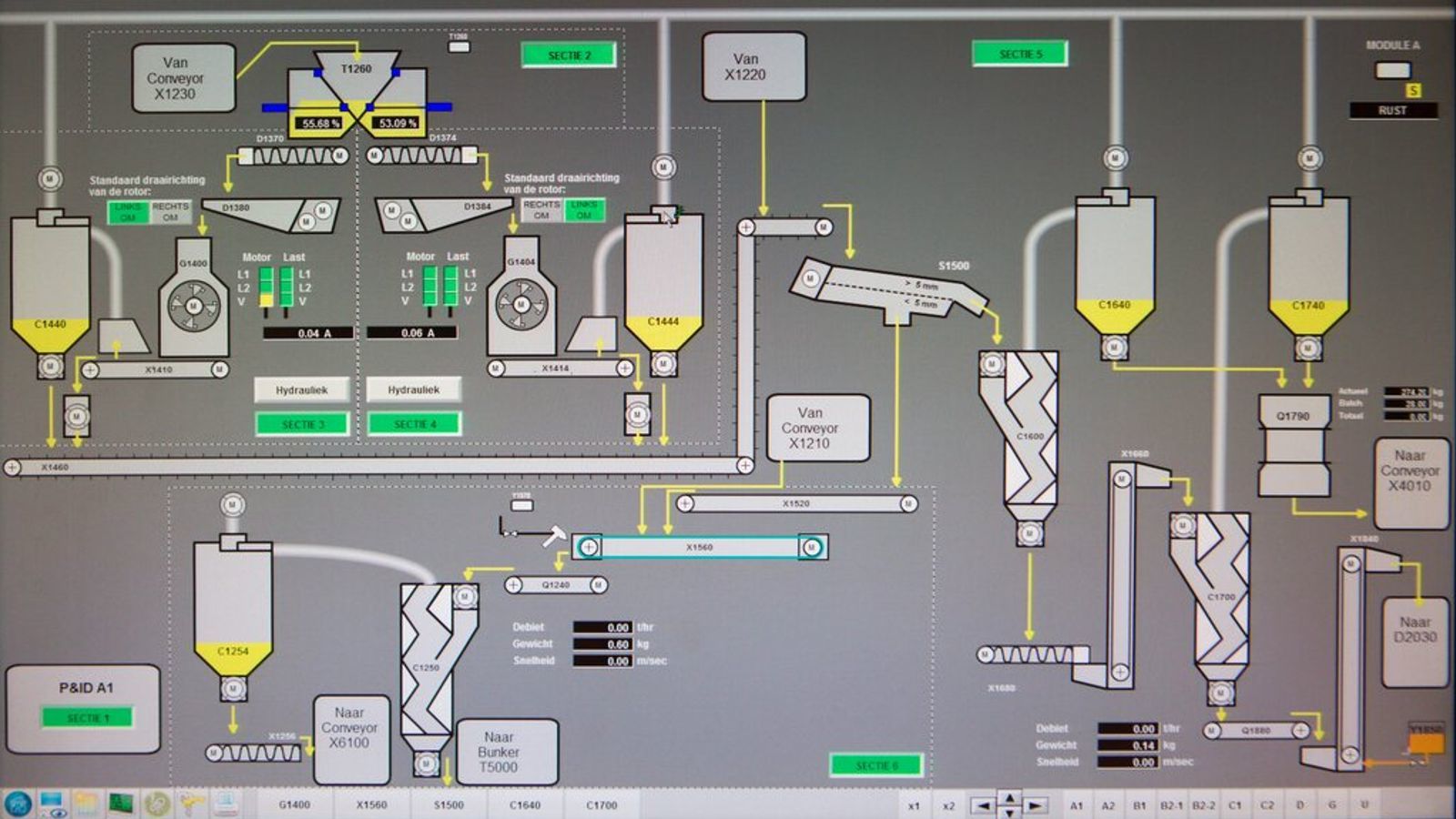
FireEye warns that novice hackers are now targeting industrial control systems.


"Most of the concern around cyber security has been focused on operational technology (OT) networks that interact with physical processes and machinery, such as power plant equipment or water treatment facilities," Dr Collier explained.

"Yet the traditional information technology (IT) networks that involve the flow of data - such as file storage or email - should not be neglected. This is because whilst the impact of malicious activity can be far more severe against OT systems, these attacks typically start out on IT networks. It is therefore vital to consider security across an entire service provider's infrastructure."

Dr Collier stressed that critical infrastructure providers "deserve credit for their use of fail-safe mechanisms that can mitigate the destructive impacts of many attacks".

Responding to Sky News, a government spokesperson said: "The UK's critical infrastructure is extremely well protected and over the past five years we have invested £1.9bn in the National Cyber Security Strategy to ensure our systems remain secure and reliable."

They added that a formal review of the impact of the cyber security law, the Network & Information Systems Regulations, will take place within the next 12 months.

Newsletter

Related Articles

0:00
0:00
Close
Trump’s Board of Peace: Breakthrough Diplomacy or a Hostile Takeover of Global Order?
The Greenland Gambit: Economic Genius or Political Farce?
Will AI Finally Make Blue-Collar Workers Rich—or Is This Just Elite Tech Spin?
Prince William to Make Official Visit to Saudi Arabia in February
Prince Harry Breaks Down in London Court, Says UK Tabloids Have Made Meghan Markle’s Life ‘Absolute Misery’
Malin + Goetz UK Business Enters Administration, All Stores Close
EU and UK Reject Trump’s Greenland-Linked Tariff Threats and Pledge Unified Response
UK Deepfake Crackdown Puts Intense Pressure on Musk’s Grok AI After Surge in Non-Consensual Explicit Images
Prince Harry Becomes Emotional in London Court, Invokes Memory of Princess Diana in Testimony Against UK Tabloids
UK Inflation Rises Unexpectedly but Interest Rate Cuts Still Seen as Likely
AI vs Work: The Battle Over Who Controls the Future of Labor
Buying an Ally’s Territory: Strategic Genius or Geopolitical Breakdown?
AI Everywhere: Power, Money, War, and the Race to Control the Future
Trump vs the World Order: Disruption Genius or Global Arsonist?
Arctic Power Grab: Security Chessboard or Climate Crime Scene?
Starmer Steps Back from Trump’s ‘Board of Peace’ Amid Strained US–UK Relations
Prince Harry’s Lawyer Tells UK Court Daily Mail Was Complicit in Unlawful Privacy Invasions
UK Government Approves China’s ‘Mega Embassy’ in London Amid Debate Over Security and Diplomacy
Trump Cites UK’s Chagos Islands Sovereignty Shift as Justification for Pursuing Greenland Acquisition
UK Government Weighs Australia-Style Social Media Ban for Under-Sixteens Amid Rising Concern Over Online Harm
Trump Aides Say U.S. Has Discussed Offering Asylum to British Jews Amid Growing Antisemitism Concerns
UK Seeks Diplomatic De-escalation with Trump Over Greenland Tariff Threat
Prince Harry Returns to London as High Court Trial Begins Over Alleged Illegal Tabloid Snooping
High-Speed Train Collision in Southern Spain Kills at Least Twenty-One and Injures Scores
Meghan Markle May Return to the U.K. This Summer as Security Review Advances
Trump’s Greenland Tariff Threat Sparks EU Response and Risks Deep Transatlantic Rift
Prince Harry’s High Court Battle With Daily Mail Publisher Begins in London
Trump’s Tariff Escalation Presents Complex Challenges for the UK Economy
UK Prime Minister Starmer Rebukes Trump’s Greenland Tariff Strategy as Transatlantic Tensions Rise
Prince Harry’s Last Press Case in UK Court Signals Potential Turning Point in Media and Royal Relations
OpenAI to Begin Advertising in ChatGPT in Strategic Shift to New Revenue Model
GDP Growth Remains the Most Telling Barometer of Britain’s Economic Health
Prince William and Kate Middleton Stay Away as Prince Harry Visits London Amid Lingering Rift
Britain Braces for Colder Weather and Snow Risk as Temperatures Set to Plunge
Mass Protests Erupt as UK Nears Decision on China’s ‘Mega Embassy’ in London
Prince Harry to Return to UK to Testify in High-Profile Media Trial Against Associated Newspapers
Keir Starmer Rejects Trump’s Greenland Tariff Threat as ‘Completely Wrong’
Trump to hit Europe with 10% tariffs until Greenland deal is agreed
Prince Harry Returns to UK High Court as Final Privacy Trial Against Daily Mail Publisher Begins
Britain Confronts a Billion-Pound Wind Energy Paradox Amid Grid Constraints
The graduate 'jobpocalypse': Entry-level jobs are not shrinking. They are disappearing.
Cybercrime, Inc.: When Crime Becomes an Economy. How the World Accidentally Built a Twenty-Trillion-Dollar Criminal Economy
The Return of the Hands: Why the AI Age Is Rewriting the Meaning of “Real Work”
UK PM Kier Scammer Ridicules Tories With "Kamasutra"
×