

Tourism hotspots hit hard by Covid-19 jobs crisis
In some areas, around three out of five people who began claiming Universal Credit at the outset of the pandemic were still doing so six months later.
Experts said areas with seasonal employment were more likely to see furloughed workers, those in low-wage jobs or on zero-hours contracts.
The government said it was boosting welfare support by "billions" to help.
Ahead of Wednesday's Budget, Chancellor Rishi Sunak has promised more support for the economy as Covid lockdown rules are eased.
The BBC Shared Data Unit analysed official data from the Department for Work and Pensions (DWP).
It found:
* Around 2.4 million fresh UC claims began last April and May during the first lockdown - a seven-fold increase on the number made in the same two months in 2019
* At least three in every five of those claims - around 1.4 million - remained open six months later
* Areas with the highest proportion of claims open six months later include London, north and west Wales, north-east Yorkshire, Scotland and parts of Cumbria
* In Northern Ireland, the number of UC claimants rose from 86,000 in March 2020 to 132,000 in August, according to separate data from its Department for Communities. At its peak, the number of fresh claims reached around 30,000 last April.
"The general consistent pattern is places that rely on people travelling to them have been the hardest hit," Nye Cominetti, senior economist at the Resolution Foundation think-tank, said.
Economist Emma Congreve, from the Fraser of Allander Institute at the University of Strathclyde, said: "The pandemic has exposed a number of underlying inequalities in the labour market."
The Welsh county 'over-dependent' on tourism

Some 7.8 million people a year choose to visit the mountains, woodlands and rivers of Gwynedd in north Wales and explore Snowdonia National Park.
The tourism industry employs 18,000 people and contributes £1.3bn to the local economy every year.
But the pandemic has exposed an over-dependence on tourism, a report to the local council warns, with a 60% drop in the value of tourism in 2020.
Council leader Councillor Dyfrig Siencyn told a meeting such "unsustainable tourism" could not continue to be accommodated.
He said: "Setting a new direction is vital and I believe that the industry itself sees the need to be more reflective of our society generally
"The pandemic has perhaps shown we're almost wholly reliant on tourism in rural areas such as Gwynedd and have very little choice, which drives us to create a much more varied economy rather than all our eggs being in one basket.
"We're told that £1.3bn is generated from tourism yet still have some of the lowest income levels in the country, how do you reconcile that?
London tourism 'decimated'
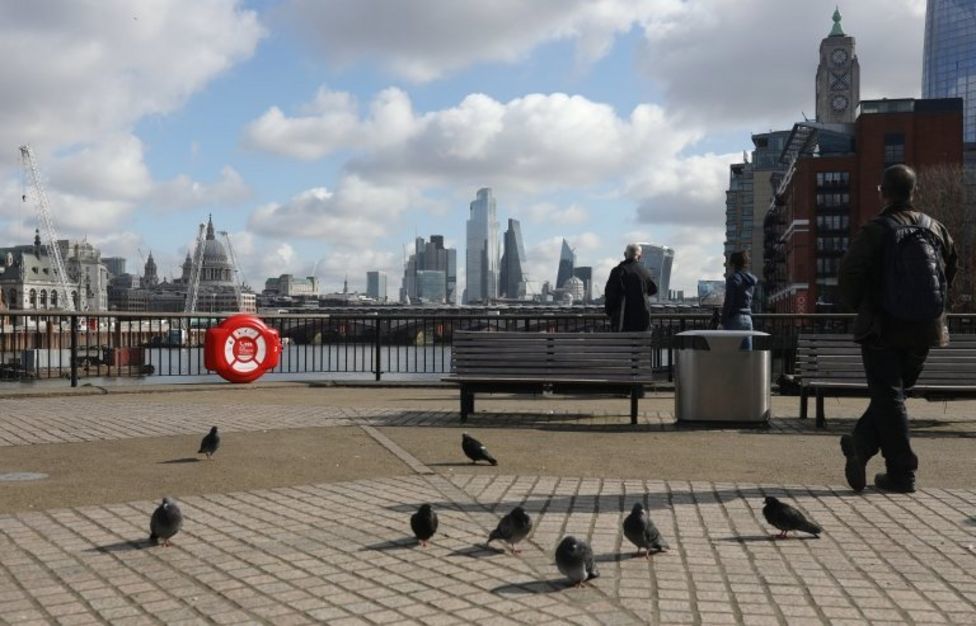
The tourism industry accounts for one in seven jobs in the capital and contributes almost 12% of London's GDP.
London Mayor Sadiq Khan has called for the tourism sector in the capital to be given more support, with tourism spending in London set to fall by £10.9bn.
Richard Burge, chief executive of London Chamber of Commerce and Industry, said businesses in the capital had "suffered the perfect storm of losing revenue usually provided by international and domestic visitors, commuters, and business travellers".
'It's the first time I've been out of work'

Father-of-four Brahim Rabi, 50, from Barnet in north London, was made redundant from his job as a driver for a kitchen design company in May last year.
As he is looking after his four young children on his own, he can only take on a part-time job. But despite sending out close to 30 applications each week, he has not been able to find employment and has been claiming Universal Credit for nearly six months.
Brahim's rent went up by £100 last year, meaning he now pays £1,300 a month. His benefits do not cover his rent each month and he has been borrowing money from friends and family to see his family through the crisis after his savings ran out.
"It has been very very hard, especially with the kids off school.
"I am at home 24 hours with them, thinking about whether I will have money the next day, wondering what will happen to me.
"It's the first time in my life I have been out of work. I have always had enough, I have always looked after my family. It makes me so sad, every time my children need something I don't know how to explain to them I don't have the money, it has been really hard for me.
"If I apply for 100 jobs you may hear back from one or two that reply just to say "sorry". The rest, you never get any reply from them. During the last year, it has been very difficult to get a job unless you know someone - all business has closed because of Covid-19."
How many claimants are in work?
From February last year to October, the proportion of people claiming UC whilst in employment rose on average by four percentage points.
In four areas, more than half of all claimants were in employment: the Isles of Scilly, South Lakeland in Cumbria, Richmondshire in North Yorkshire, and Boston in Lincolnshire.
Richmondshire's district council said it was "a reflection of its low wage economy, with a lot of people working in seasonal tourist-related employment".
Peter Matejic, from anti-poverty charity the Joseph Rowntree Foundation, said the government would need to look "geographically at which areas were bouncing back quicker and which sectors" and "think about how it can unwind the furlough scheme without bringing about a big spike in unemployment".
How many first time claimants?
Minesh Patel, of Citizens Advice UK, said seven in every 10 people approaching the charity had not needed to apply for benefits before.
Covid-19 meant "overnight, loads of people lost their job or saw a drop in their hours," Mr Patel said.
"Our advisors are telling us a lot of the people coming to us are on the furlough scheme and need Universal Credit to top up. There has also been a rise in people in insecure work during this pandemic."
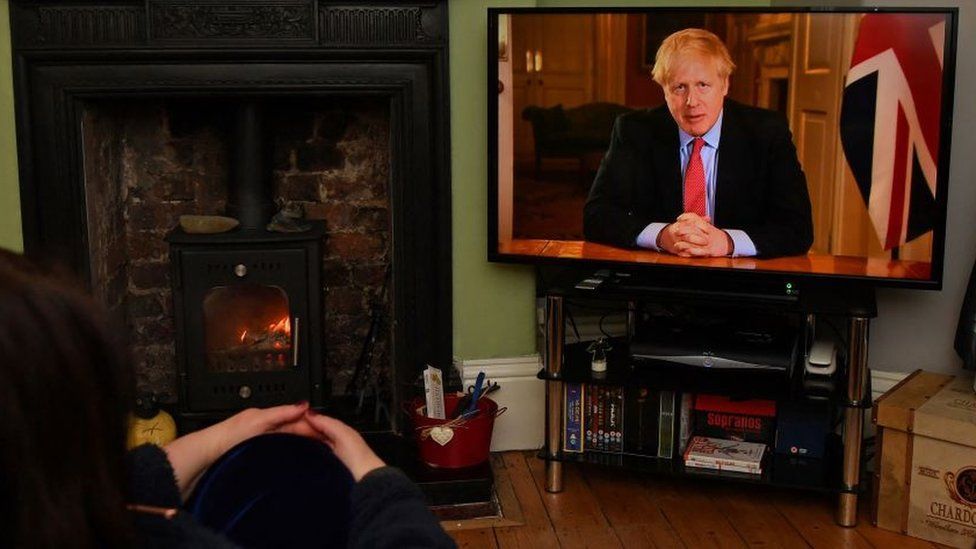
What is Universal Credit?
It is a means-tested benefit for people of a working age on low income. It is claimed by more than 5.5 million households. It replaced:
It can be claimed when you are in, or out, of work.
The standard allowance varies from around £340 to just under £600 a month, depending on your age or whether you are single.
Government support
The Department for Work and Pensions (DWP) said UC had "been a lifeline for millions affected by the pandemic" and would play a "vital role" in the recovery of the jobs market.
The DWP said some UC claims were deliberately being left open for longer during the pandemic rather than closed to avoid having to restart the claims process for people who needed urgent support suddenly.
It said spending on working-age welfare in 2020 was - at over £100bn - set to be at its highest level on record, in real terms and as a percentage of national income and that was combined with other measures to safeguard jobs such as furlough and help for "the lowest-paid families" including the £170m Covid Winter Grant Scheme.