

The workers who went viral applying for jobs
When Lukas Yla took his first bite of a freshly baked artisanal doughnut from a popular San Francisco pastry shop, he had a eureka moment. “I was a 25-year-old Lithuanian tourist with the dream of working in marketing for a Silicon Valley start-up,” he explains. “I knew I had to get past the middlemen, land my resume on the desk of a decision maker and show off my skillset in three seconds: that I was creative and could make things happen. Those doughnuts connected the dots.”
So, every morning for more than a week, Yla queued around the block for at least five boxes of doughnuts (pictured above). “I’d made a list of the companies I wanted to work for and the chief marketing officers looking to hire,” he says. “I thought food would be a good icebreaker, and that many people in tech would be too busy to go out for lunch. And I knew food delivery services were very popular in the city.”
Yla, who had a marketing background in Lithuania, slipped a note into each box with his tagline ‘Most resumes end up in trash. Mine – in your belly’, alongside his CV and a link to his LinkedIn profile. He then posed as a food courier, wore a homemade uniform and hand-delivered doughnuts to the headquarters of each company on his wish list. “I ended up delivering 50 boxes, addressed to the heads of marketing,” he says. “Often, the receptionist would immediately pass the doughnuts straight to the recipient. Sometimes, they were called to reception: I could hand over the doughnuts and explain why I was really there.”
But Yla’s plan didn’t end there. “After eating the doughnuts, hiring managers got in touch – I began having job interviews,” he says. “They thought I was creative, but didn’t believe I could do marketing in the US because I didn’t know the culture. I decided if they didn’t think I had what it took to work there, I’d use my marketing skills to make the story go viral.” He adds that after contacting prominent US media outlets, his story soon became a global phenomenon. “I ended up being included in Forbes 30 Under 30 and was featured on Good Morning America. The anchor said on live TV, ‘Give Lukas a job’.”
Yla isn’t the only worker to have come up with a creative plan to try and improve their job prospects. In September 2022, a jobseeker went viral after sending Nike an edible CV on a cake. There have also been instances of candidates posting ‘hire me’ videos on TikTok, web developers designing their resumes in the style of an Amazon product page and workers walking the streets advertising their career experience via sandwich boards.
While the offerings and approaches may differ, candidates are all coming from the same place: the idea that out-of-the-box thinking can help them show off their skills or personality, stand out from the resume pile and land a role. These efforts can make headlines, but it’s less clear to what extent the time and effort actually pay off. Sometimes, left-field cover letters and novel ways of getting noticed can be met with bemusement among hiring managers. Often, there’s a fine line separating genius from gimmick.
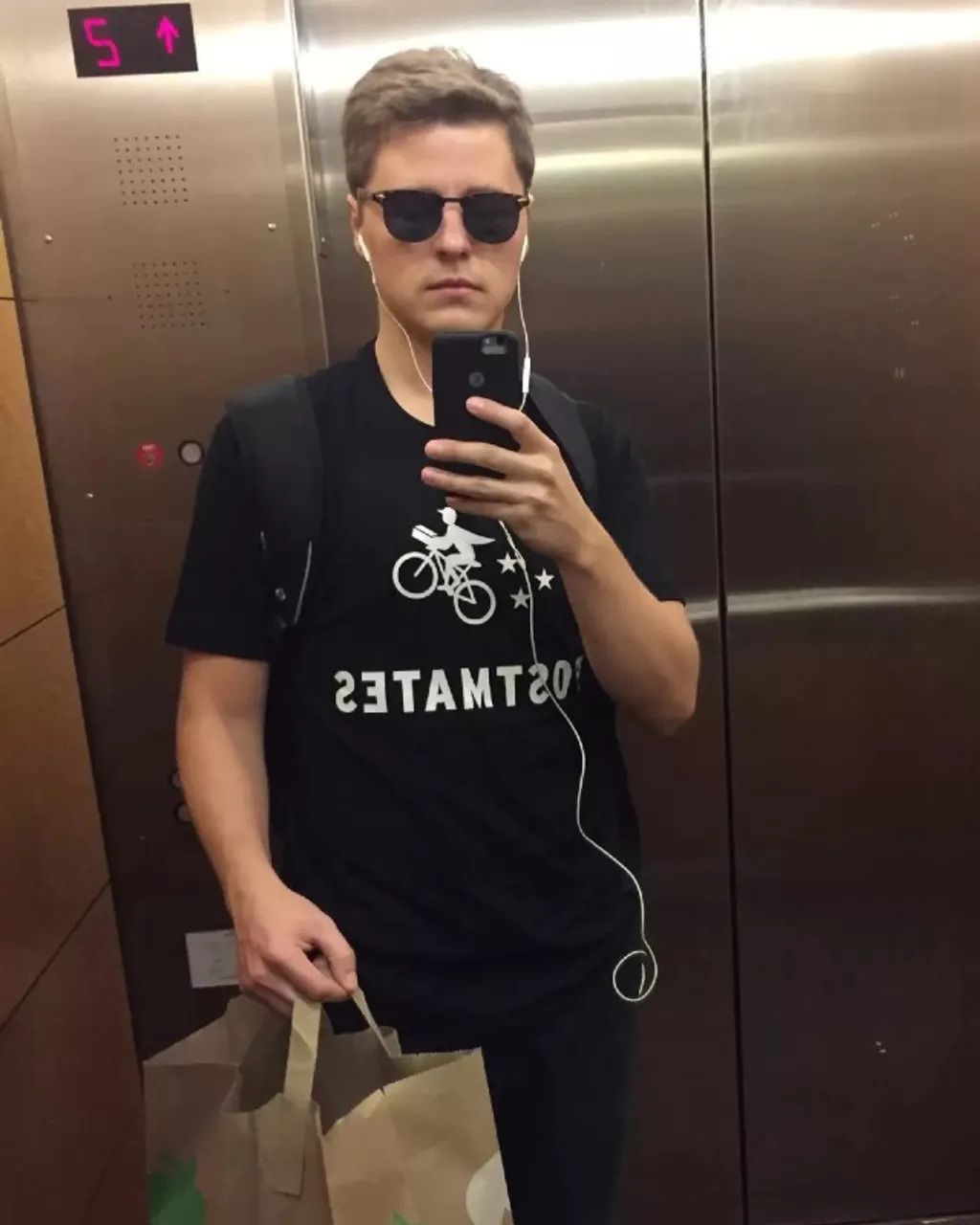 Lukas Yla targeted marketing chiefs at Silicon Valley companies with hand-delivered doughnuts
Standing out from the crowd
Adam Nicoll, group marketing director at recruitment and job consulting firm Randstad, based in Luton, UK, says candidates have long gone to creative lengths to send a standout application. “I used to print my CV on lurid orange paper,” he says, “the logic being that it would stand out more in the pile. I nearly always got an interview – some of it may have been because the tactic worked.”
In attempting to show off creative thinking, jobseekers sometimes tailor their application around the employer’s industry. “Early in my career, I applied for a vacancy at a drinks company and stuck my CV on a wine bottle,” says Nicoll. “I thought I was a genius until I heard of rival candidates doing exactly the same: I didn’t get the role.”
Today, automated hiring processes mean candidates have to do even more to get noticed. “CVs are sometimes scanned by technology, rather than read by humans,” says Nicoll. “Good people become a series of bullet points and LinkedIn profiles that can unfortunately be overlooked.” That means candidates who want to make sure the right recruiter sees their resume may go to unusual lengths – occasionally even combining craft with a unique idea in a way that showcases skill and individual flair.
“I was hiring for a web designer, and a hexalingual candidate created his own microsite,” says Nicoll. “The site featured his language capabilities, his portfolio of website builds and even his musicality: songs he’d written and performed. He got a job at the company.”
Moz Dee, director at London-based digital agency Contented, says that when it comes to innovative applications, the best candidates weave in skill. “Anyone can buy a box of chocolates and send them into the office. But baking a cake and handcrafting a CV on top shows a level of dynamism that lifts them off the page. In a creative industry, a candidate submitting a creative application is often at an advantage: a junior producer who is a filmmaker on the side can send in their work; it’s showing off a talent.”
You build a profile of the person based on their creation - Adam Nicoll
When done well, a one-of-a-kind job application doesn’t just show a candidate has talent – it displays their personality. “You build a profile of the person based on their creation,” says Nicoll. “It may suggest personality traits that are attractive for a vacancy: they’re confident, extroverted or perhaps even brave. It’s a conversation starter – and that’s what all a job application should be: getting your foot in the door and securing an interview.”
‘A CV that speaks for itself’?
A unique job application is a high-risk strategy, however: alongside investing time and energy, a candidate may end up staking their reputation with no return.
Such tactics also only tend to work for certain jobseekers. “For graduates struggling to stand out when everyone else has the same story and qualifications, doing something individual and different can work,” says Nicoll. But that’s not the case for candidates who are further on in their careers. “A worker with 10 years’ experience should have a CV that speaks for itself, with enough war stories to bring to the table and get noticed.”
Context is also crucial, adds Nicoll. “Creative industries like social media or marketing are naturally attention-seeking: a viral job application in these careers is often displaying desirable attributes. However, doing so for a law firm where hiring managers expect certain skills, experience and a level of guardedness will backfire.”
Dee says a jobseeker once arrived at his office in full Formula One racewear, with a driver’s helmet in one hand and a CV in the other, for a sports-related production role. “It made me smile and they got noticed: they were invited for an interview. But context is everything – it wouldn’t have worked if they were applying for a senior role at a major advertising firm.”
Candidates opting for the creative route also often have a more realistic shot applying to smaller companies, says Dee, where an audacious stunt or personalised message is more likely to land among individual managers with genuine hiring power – as opposed to large corporations with clunky recruitment processes. “In these cases, you’re typically applying directly to the business owner. Larger firms, however, can find it hard to react to creativity or left-field thinking.”
But even if a jobseeker gets their CV seen by the right person through ingenious means, they still have to deliver in an interview: Dee adds that the faux-racing-driver applicant didn’t get the job. “You can have an application with razzmatazz but then have an interview that doesn’t deliver,” says Nicoll. “You can get the recruiter’s attention, but you need to back it up.”
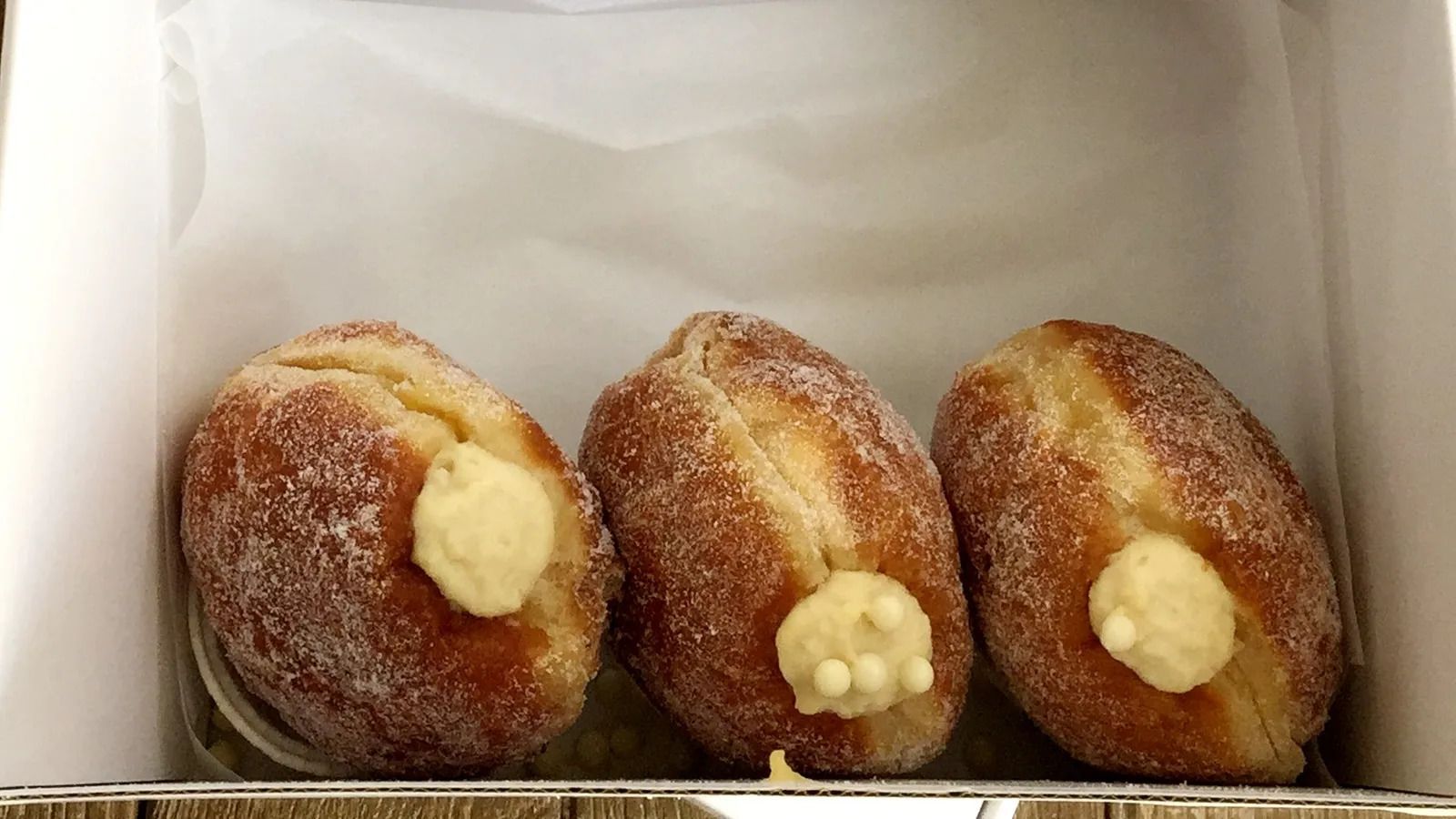 These doughnuts secured Lukas Yla several job interviews and, he believes, helped launch his career
Attention-grabbing, not attention-seeking
Some stunt applications may fail; it’s unclear if the cake-sending jobseeker ever heard back from Nike, for example. But in Yla’s case, his strategy did open doors – although not quite in the way he had expected.
“I ended up securing 15 job interviews, which wouldn’t have been achieved by simply sending my resume,” says Yla. “A senior executive at one of the biggest US ad agencies told me that in 40 years, no one else had gone to this level of creativity in a job application.” After receiving three offers, he accepted his dream role working for a US tech firm – only for his work visa application to be rejected.
After returning to Lithuania, Yla became CEO of a ridesharing start-up. He’s now the director of carsharing at mobility tech firm Bolt, based in Tallinn, Estonia. Six years on from going viral, he’s now on the other side of the hiring table: candidates use innovative ways to attract his attention. “I often receive a box of doughnuts or desserts with a resume attached. But it’s sometimes just a coincidence: people are doing it just to be noticed, they don’t realise they’ve sent them to the person who first went viral.”
He says it’s important that candidates who go this route understand the distinction between attention-seeking and attention-grabbing job applications. Yla says the latter is backed up with strategy: method behind the madness. “This is where candidates can get it wrong – the idea isn’t to be cheesy. It’s creating something new, something that shows off a certain skillset and out-the-box thinking. I didn’t just send a box of doughnuts: I followed it up with analytical work, found the email addresses of hiring managers and crafted pitches to the media.”
Yla believes his viral job application gave him experiences that benefited his career. “It helped me have fruitful conversations with employers, receive messages from companies I hadn’t even considered and gain international attention,” he says. “It was a full marketing campaign, specifically targeting people in the industry to prove I had the skillset to work for them.”