Rising Antisemitism in the United Kingdom Puts Security, Policy, and Social Cohesion Under Strain
Surge in reported incidents since the Israel–Hamas war has intensified pressure on police, schools, and government response frameworks
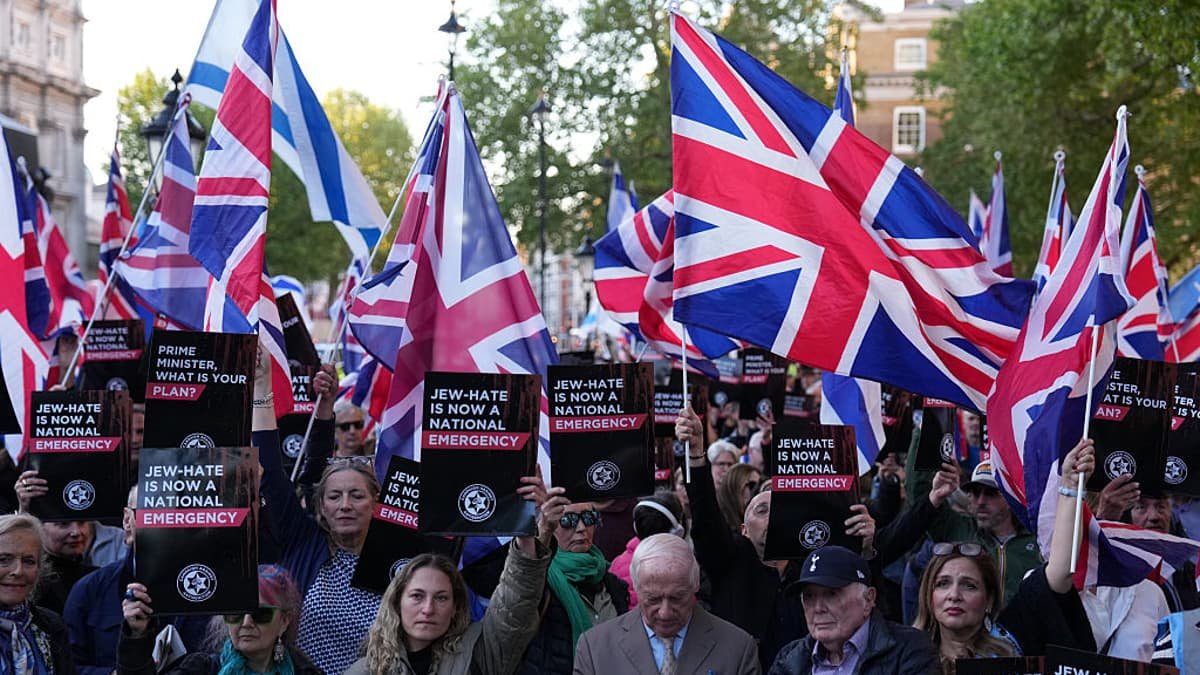
A sustained increase in antisemitic incidents in the United Kingdom has placed growing pressure on public institutions, exposing gaps in enforcement capacity, community protection, and the country’s broader ability to manage politically sensitive hate crime trends.
What is confirmed is that Jewish communities across the United Kingdom have reported a significant rise in antisemitic abuse, threats, vandalism, and harassment since the escalation of the Israel–Hamas conflict in 2023. Monitoring organizations and police data have indicated sharp increases in reported incidents, with peaks occurring in the immediate aftermath of major geopolitical developments.
The mechanism behind the rise is multi-layered.
A central driver is the spillover of international conflict into domestic social tensions, where global events are rapidly reframed through local political and cultural debates.
Social media amplification has accelerated this process, allowing extremist narratives and conspiracy theories to circulate quickly and reach broader audiences without traditional filtering.
Law enforcement agencies have responded by increasing patrols around synagogues, schools, and community centers, particularly during periods of heightened risk such as religious holidays or major international flashpoints.
Security funding for Jewish institutions has also been expanded, reflecting official recognition of elevated threat levels.
The key issue is classification and enforcement.
While antisemitic incidents are treated as hate crimes under UK law, the threshold for prosecution often depends on evidence, intent, and the context of speech or action.
This creates a gap between the volume of reported incidents and the number of successful legal outcomes, a persistent challenge in hate crime enforcement more broadly.
Educational institutions have also become focal points of concern.
Schools and universities have reported tensions linked to protests, political expression, and incidents of harassment.
In response, authorities have issued guidance on balancing free expression with safeguarding obligations, but implementation remains uneven across institutions.
Community organizations report that the psychological impact extends beyond recorded incidents.
Increased security measures, while necessary, have altered daily life in visible ways, reinforcing a sense of vulnerability among Jewish communities.
This includes armed guards at events, restricted access points, and heightened screening procedures.
The government has reiterated commitments to combating antisemitism through policing, education, and regulatory frameworks targeting online platforms.
However, enforcement challenges persist, particularly in addressing digital content that crosses jurisdictional boundaries or falls into ambiguous legal categories.
The broader implication is a test of institutional resilience in managing identity-based hate within a highly polarized information environment.
The rise in antisemitism is occurring alongside increases in other forms of hate crime, suggesting a wider strain on social cohesion mechanisms rather than an isolated phenomenon.
The immediate consequence is sustained elevated security across Jewish public life in the United Kingdom, with law enforcement and community organizations operating under long-term heightened alert conditions while policy responses continue to evolve.
What is confirmed is that Jewish communities across the United Kingdom have reported a significant rise in antisemitic abuse, threats, vandalism, and harassment since the escalation of the Israel–Hamas conflict in 2023. Monitoring organizations and police data have indicated sharp increases in reported incidents, with peaks occurring in the immediate aftermath of major geopolitical developments.
The mechanism behind the rise is multi-layered.
A central driver is the spillover of international conflict into domestic social tensions, where global events are rapidly reframed through local political and cultural debates.
Social media amplification has accelerated this process, allowing extremist narratives and conspiracy theories to circulate quickly and reach broader audiences without traditional filtering.
Law enforcement agencies have responded by increasing patrols around synagogues, schools, and community centers, particularly during periods of heightened risk such as religious holidays or major international flashpoints.
Security funding for Jewish institutions has also been expanded, reflecting official recognition of elevated threat levels.
The key issue is classification and enforcement.
While antisemitic incidents are treated as hate crimes under UK law, the threshold for prosecution often depends on evidence, intent, and the context of speech or action.
This creates a gap between the volume of reported incidents and the number of successful legal outcomes, a persistent challenge in hate crime enforcement more broadly.
Educational institutions have also become focal points of concern.
Schools and universities have reported tensions linked to protests, political expression, and incidents of harassment.
In response, authorities have issued guidance on balancing free expression with safeguarding obligations, but implementation remains uneven across institutions.
Community organizations report that the psychological impact extends beyond recorded incidents.
Increased security measures, while necessary, have altered daily life in visible ways, reinforcing a sense of vulnerability among Jewish communities.
This includes armed guards at events, restricted access points, and heightened screening procedures.
The government has reiterated commitments to combating antisemitism through policing, education, and regulatory frameworks targeting online platforms.
However, enforcement challenges persist, particularly in addressing digital content that crosses jurisdictional boundaries or falls into ambiguous legal categories.
The broader implication is a test of institutional resilience in managing identity-based hate within a highly polarized information environment.
The rise in antisemitism is occurring alongside increases in other forms of hate crime, suggesting a wider strain on social cohesion mechanisms rather than an isolated phenomenon.
The immediate consequence is sustained elevated security across Jewish public life in the United Kingdom, with law enforcement and community organizations operating under long-term heightened alert conditions while policy responses continue to evolve.