
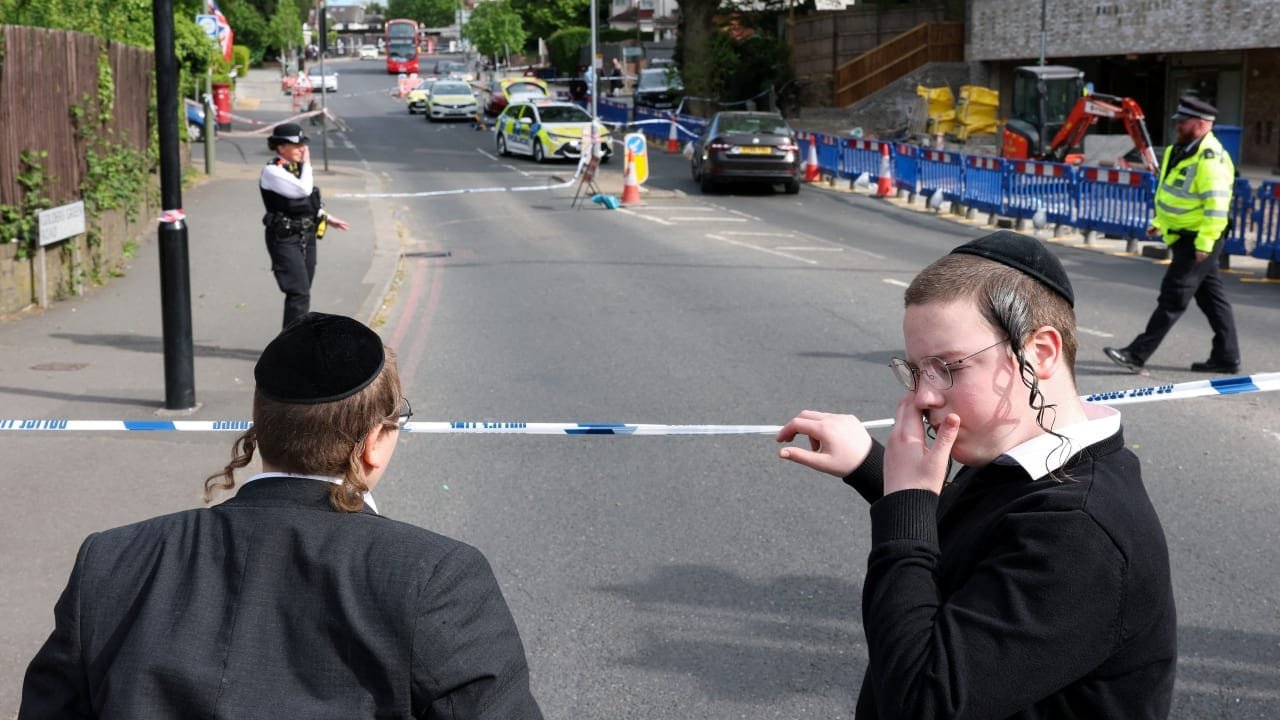
Rising Antisemitism in the UK Sparks Debate Over Safety, Identity and Political Response
A charged public debate over antisemitism in Britain highlights security concerns in Jewish communities, contested political narratives, and pressure on institutions to respond more forcefully
A growing public debate in the United Kingdom over antisemitism has intensified scrutiny of political rhetoric, public safety, and the lived experience of Jewish communities, particularly in the aftermath of recent geopolitical tensions and domestic protests.
The core issue driving the discussion is not a single incident but a sustained pattern of concern from Jewish organisations about rising antisemitic behaviour and the adequacy of institutional responses.
What is broadly confirmed across official monitoring bodies and community reporting is that antisemitic incidents in the UK have increased significantly in recent years, with sharp spikes during periods of heightened conflict in the Middle East.
These spikes have included verbal abuse, online harassment, vandalism of religious sites, and in some cases physical intimidation.
Jewish community organisations have repeatedly warned that such incidents contribute to a sense of insecurity, particularly in urban areas with visible Jewish populations.
Law enforcement authorities have stated that hate crime frameworks remain in place and that incidents motivated by religious or ethnic hostility are subject to investigation and prosecution.
However, Jewish advocacy groups have argued that enforcement outcomes do not fully reflect the scale of reported incidents, and that many cases go unreported or are difficult to prosecute under existing legal thresholds.
The gap between reported experience and legal outcomes has become a central point of contention in public debate.
The political dimension of the issue has also become more pronounced.
Public commentary from across the political spectrum has increasingly focused on how antisemitism is defined, how it manifests in political discourse, and where the line lies between criticism of foreign governments and prejudice against Jewish communities.
This distinction has been at the centre of repeated disputes in media, academia, and public demonstrations.
Jewish organisations in the UK have argued that the cumulative effect of incidents and rhetoric is contributing to a climate in which some individuals feel less secure in public spaces, including schools, universities, and places of worship.
In response, government officials have reiterated commitments to counter-extremism strategies, community protection funding, and enhanced monitoring of hate speech online and offline.
These measures include cooperation between policing units and community security trusts that track antisemitic incidents.
At the same time, civil liberties groups have emphasised the need to balance hate crime enforcement with protections for free expression, particularly in politically sensitive contexts.
This has created a policy tension between ensuring robust protection for targeted communities and maintaining open public discourse on international conflicts that often trigger domestic tensions.
The debate has also exposed broader questions about social cohesion in the UK. Analysts note that increases in reported antisemitic incidents often coincide with wider surges in racially or religiously motivated hate crimes affecting multiple communities.
This suggests a broader systemic challenge involving online radicalisation, polarised political discourse, and the rapid spread of inflammatory content through social media platforms.
The practical consequences of the current climate are most visible at the community level.
Jewish schools, synagogues, and cultural institutions have in recent years increased security measures, including physical barriers, surveillance systems, and coordinated protection arrangements with law enforcement.
These measures are widely described by community leaders as necessary but also indicative of a long-term shift in perceived safety.
The trajectory of the issue now depends on three factors: enforcement effectiveness, political rhetoric across parties, and the ability of institutions to distinguish legitimate political expression from hate-based targeting.
The current environment has made that distinction increasingly central to public policy discussions, with implications for policing, education, and community relations across the country.
The core issue driving the discussion is not a single incident but a sustained pattern of concern from Jewish organisations about rising antisemitic behaviour and the adequacy of institutional responses.
What is broadly confirmed across official monitoring bodies and community reporting is that antisemitic incidents in the UK have increased significantly in recent years, with sharp spikes during periods of heightened conflict in the Middle East.
These spikes have included verbal abuse, online harassment, vandalism of religious sites, and in some cases physical intimidation.
Jewish community organisations have repeatedly warned that such incidents contribute to a sense of insecurity, particularly in urban areas with visible Jewish populations.
Law enforcement authorities have stated that hate crime frameworks remain in place and that incidents motivated by religious or ethnic hostility are subject to investigation and prosecution.
However, Jewish advocacy groups have argued that enforcement outcomes do not fully reflect the scale of reported incidents, and that many cases go unreported or are difficult to prosecute under existing legal thresholds.
The gap between reported experience and legal outcomes has become a central point of contention in public debate.
The political dimension of the issue has also become more pronounced.
Public commentary from across the political spectrum has increasingly focused on how antisemitism is defined, how it manifests in political discourse, and where the line lies between criticism of foreign governments and prejudice against Jewish communities.
This distinction has been at the centre of repeated disputes in media, academia, and public demonstrations.
Jewish organisations in the UK have argued that the cumulative effect of incidents and rhetoric is contributing to a climate in which some individuals feel less secure in public spaces, including schools, universities, and places of worship.
In response, government officials have reiterated commitments to counter-extremism strategies, community protection funding, and enhanced monitoring of hate speech online and offline.
These measures include cooperation between policing units and community security trusts that track antisemitic incidents.
At the same time, civil liberties groups have emphasised the need to balance hate crime enforcement with protections for free expression, particularly in politically sensitive contexts.
This has created a policy tension between ensuring robust protection for targeted communities and maintaining open public discourse on international conflicts that often trigger domestic tensions.
The debate has also exposed broader questions about social cohesion in the UK. Analysts note that increases in reported antisemitic incidents often coincide with wider surges in racially or religiously motivated hate crimes affecting multiple communities.
This suggests a broader systemic challenge involving online radicalisation, polarised political discourse, and the rapid spread of inflammatory content through social media platforms.
The practical consequences of the current climate are most visible at the community level.
Jewish schools, synagogues, and cultural institutions have in recent years increased security measures, including physical barriers, surveillance systems, and coordinated protection arrangements with law enforcement.
These measures are widely described by community leaders as necessary but also indicative of a long-term shift in perceived safety.
The trajectory of the issue now depends on three factors: enforcement effectiveness, political rhetoric across parties, and the ability of institutions to distinguish legitimate political expression from hate-based targeting.
The current environment has made that distinction increasingly central to public policy discussions, with implications for policing, education, and community relations across the country.