Minneapolis ICE Operation Ends in Fatal Shooting, Sparking Nationwide Protests and Renewed Scrutiny of Enforcement Tactics
The death of Renee Nicole Good during a federal immigration action has intensified public anger and raised urgent questions about the use of force and operational oversight.
A federal immigration enforcement operation in Minneapolis ended in a fatal shooting that has quickly become a national flashpoint, after an Immigration and Customs Enforcement agent shot and killed a woman identified as Renee Nicole Good.
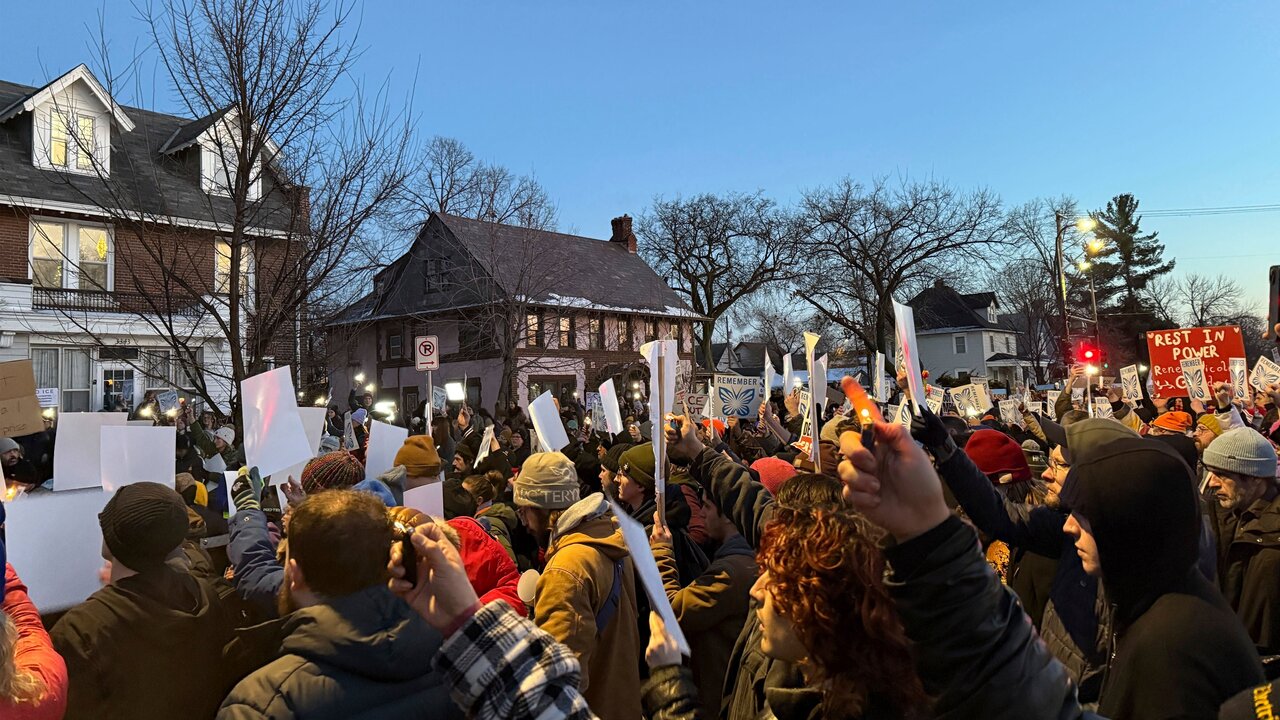
The death has triggered a wave of public outrage, with protests spreading beyond Minneapolis into multiple cities as demonstrators condemn federal immigration tactics and demand accountability.
In Minneapolis, the anger has been especially intense, with demonstrations growing larger and more confrontational as the community processes the loss and presses for clear answers.
At the center of the backlash is a fundamental question: how a routine enforcement action escalated into a deadly encounter.
The incident is now drawing heightened scrutiny of operational conduct, decision-making under pressure, and the standards governing the use of lethal force in immigration enforcement.
For the Trump administration, the episode has become a defining test of whether enforcement objectives can be pursued with discipline, restraint, and public legitimacy—especially in moments when trust is strained and emotions are raw.
For many Americans, it has also become a measure of whether federal power is being exercised with the accountability that democratic governance demands.
The Minneapolis shooting has pushed immigration enforcement from a policy debate into a national reckoning over the acceptable limits of state force.
The death has triggered a wave of public outrage, with protests spreading beyond Minneapolis into multiple cities as demonstrators condemn federal immigration tactics and demand accountability.
In Minneapolis, the anger has been especially intense, with demonstrations growing larger and more confrontational as the community processes the loss and presses for clear answers.
At the center of the backlash is a fundamental question: how a routine enforcement action escalated into a deadly encounter.
The incident is now drawing heightened scrutiny of operational conduct, decision-making under pressure, and the standards governing the use of lethal force in immigration enforcement.
For the Trump administration, the episode has become a defining test of whether enforcement objectives can be pursued with discipline, restraint, and public legitimacy—especially in moments when trust is strained and emotions are raw.
For many Americans, it has also become a measure of whether federal power is being exercised with the accountability that democratic governance demands.
The Minneapolis shooting has pushed immigration enforcement from a policy debate into a national reckoning over the acceptable limits of state force.