London Daily

Focus on the big picture.
Tuesday, Jul 14, 2026

Men in Heels: a Fashion History

Men in Heels: a Fashion History

From King Louis XIVs red bottoms to David Bowies platform footwear, men have a long and storied history with high heels.

For the last three centuries, high heels have been widely regarded as a women’s style. Seen everywhere from the runways to daily work attire, adding a few inches to a woman’s height is often considered the key to tying an ensemble together. However, as lovers of fashion inside and outside the industry take strides to break down the gender binary in clothing, many men have been spotted sporting the lifted shoe. By adopting footwear that has become such an iconic representation of feminine fashion, their choice is often dubbed “ground-breaking” or “gender-bending.” Funnily enough, the origination of high heels began specifically for men.
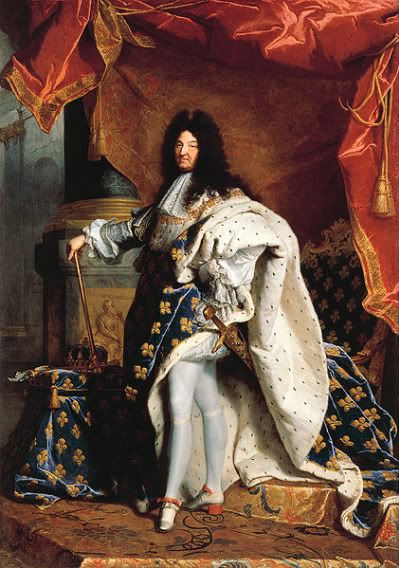


King Louis XIV.

The earliest known style of heels dates back to 10th-century Persia. Male soldiers riding horseback used heels to secure their feet in the stirrups and give them more leverage when fighting. The concept would be adopted nine centuries later by the American cowboy, but more on that later.

As the high heel came to signify power and military prowess, it also became a show of wealth, as only those with money could afford horses. This symbolism reemerges in France in the 1600s under the reign of King Louis XIV. The Master of Versailles used footwear to distinguish both class and preference. In 1670, he proclaimed that only members of the noble class could wear heels. Within this group, he only allowed his favorite courtiers to wear red (his color of choice).



James Dean in cowboy boots.

By the end of the French Revolution, however, high heels were considered too feminine and generally disregarded men in Europe. However, across the pond, as the American West began to attract new settlers, the cowboy, arguably identified and defined by his attire, was considered the epitome of masculinity and male pride. Most cowboy boots featured an inverted round heel called a Cuban heel (referencing the footwear of traditional Flamenco dancers) and were a necessity for staying upright while traveling long distances on horseback.
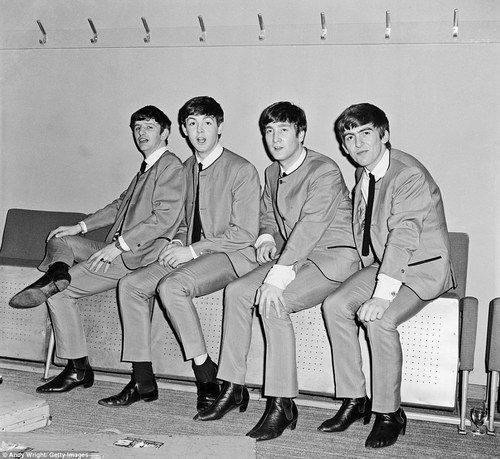


The Beatles
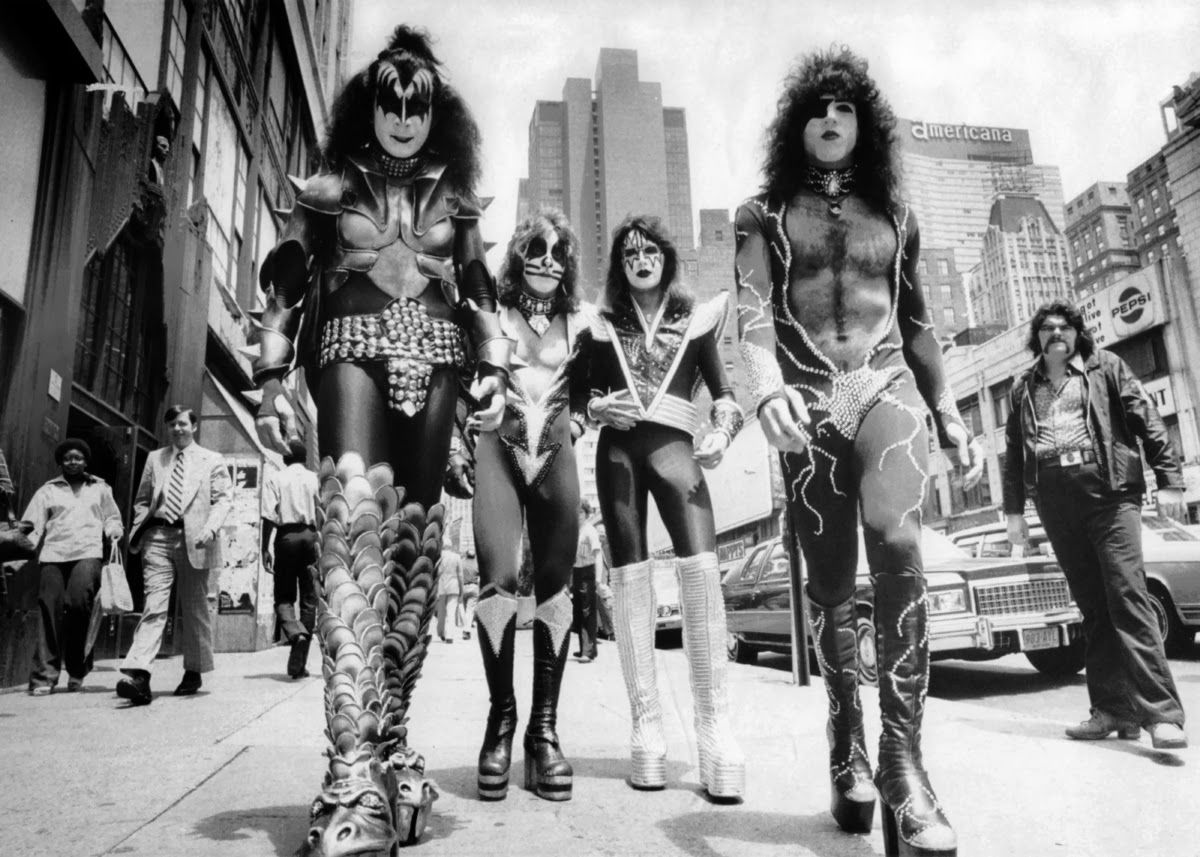


Kiss.


Despite this, heels outside the cowboy context were generally still regarded as a women’s shoe. It wasn't until the 1960s when the Beatles popularized the “Beatle Boots”-an early iteration of Chelsea boots-that the heel was reinvited into menswear. Rock-n-roll groups of the late-20th century like Aerosmith and Mötley Crue adopted similar tame styles as well, while glam rock artists like Kiss and David Bowie opted for more ostentatious versions.
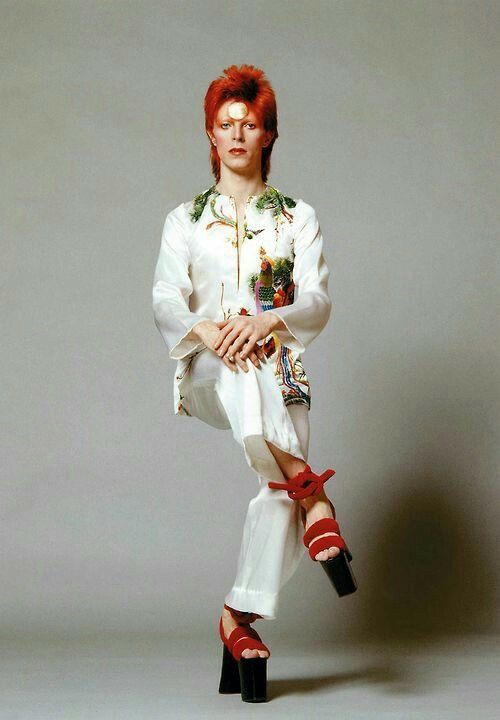


David Bowie.

Unlike the low Cuban heels of '70s hair bands, Bowie and his stage persona Ziggy Stardust gravitated towards bold platforms, stilettos, or generally higher heels-all of which were, at the time, synonymous with women's fashion. While subcultures like drag queen communities and ballroom culture during this time had already normalized men wearing heels and other traditionally feminine garments, Bowie's look brought gender subversive fashion to the mainstream.



Hood by Air Fall/Winter 2016



Thom Browne Spring/Summer 2018.

In the 2010s, the return of the Chelsea boot in men's wardrobes was, once again, met was considerable attention. However, as designers continue to blend menswear and womenswear, the gendered lines around clothing and accessories have lightened in their severity. Heels higher and flashier than a simple black Chelsea boot are more common for men than in previous decades. Brands have employed them as part of their menswear collections, and they've even found their way into streetwear.

Similar to apparel, the declassification of heels as a "woman's shoe" continues to unfold as clothing becomes less tied to one's gender identity and sexuality. As men hit red carpets and magazine covers in gowns, there's no reason they shouldn't have a nice pair of heels to accompany them.

Newsletter

Related Articles

0:00
0:00
Close
Beer Industry Warns UK Rules Could Limit Growth of Alcohol-Free Market
Home Office Faces Legal Challenges Over Asylum Seeker Accommodation Closures
UK Heatwaves Linked to More Than Two Thousand Seven Hundred Deaths as Climate Debate Intensifies
Home Secretary Faces Pressure Over Political Security After Ann Widdecombe Murder Investigation
United Kingdom Opens Trade Consultation With Indonesia, Philippines, United Arab Emirates and Uruguay
Robert Jenrick Joins Reform UK After Leaving Conservative Party Leadership Role
Counter-Terrorism Police Take Over Investigation into Murder of Former MP Ann Widdecombe
Andy Burnham Secures Strong Labour Backing in Race to Succeed Keir Starmer
Global Markets Slide as Middle East Conflict Escalation Sends Oil Prices Higher
UK Prime Minister Keir Starmer Offers Condolences Following Death of Qatar’s Father Amir
UK Regional Innovation Policy Focuses on Research Clusters Across Scotland, Wales, and Northern England
UK Corporate Transparency Rules Set to Become More Strict Under Modern Slavery Reform Plans
UK Civil Service Estate Strategy Shifts Government Activity Away From London
UK Strengthens National Security Powers Through New Threat Designations
Greater Manchester Police Conduct Drink and Drug Driving Operations After Football Events
UK Government Advances Darlington Economic Campus With Construction Milestone
UK Authorities Increase Football-Related Security Operations After Tournament Fixtures
UK Invests Fifty-One Million Pounds in National Cryogenics Facility and Regional Innovation Hubs
UK Moves Toward Tougher Modern Slavery Reporting Rules With Corporate Penalties
UK Government Reports Forty-Three Million Pounds in Savings From Office Estate Reform
UK Government Expands Civil Service Regional Strategy With Manchester and Darlington Campus Projects
UK Designates Iran’s Islamic Revolutionary Guard Corps as National Security Threat
United Kingdom Financial Markets Monitor Business Response to Economic Policy Changes
Scottish Renewable Energy Expansion Highlights Need for Faster Grid Development
Wales and Regions Strengthen Focus on Economic Development Through Tourism and Investment
Retail Industry Warns High Street Businesses Remain Under Pressure
Police Chiefs Highlight Growing Challenges Managing Protests and Public Order
Agriculture Leaders Seek Clarity on Post-Brexit Farming Support and Environmental Rules
Transport Unions Warn of Further Industrial Action Over Pay and Working Conditions
Welsh Tourism Sector Reports Strong Growth Driven by Domestic and International Visitors
National Infrastructure Review Gains Support as Leaders Seek Faster Project Delivery
Financial Markets Assess Impact of United Kingdom Corporate Tax Policy Changes
Northern Ireland Assembly Debates Cross-Border Trade and Infrastructure Cooperation Plans
Government Opens Consultations on Housing Reform and Planning System Changes
Scottish Government Faces Pressure to Accelerate Offshore Wind and Grid Expansion
National Energy System Operator Warns Grid Investment Is Needed for Future Electricity Demand Growth
United Kingdom Research Council Invests in Artificial Intelligence and Biotechnology Innovation Hubs
United Kingdom Expands Oversight of Skilled Worker Visa Sponsors Amid Migration Debate
Cross-Party MPs Call for National Infrastructure Strategy Review to Accelerate Economic Growth
Prime Minister Announces One Billion Pound NHS Funding Package Ahead of Winter Pressures
Bank of England Signals Cautious Approach to Interest Rates as Inflation Remains Above Forecasts
World Cup Visitors Turn American Big-Box Stores Into Souvenir Stops
Netflix Weighs Always-On Channels, Bundles and Short-Form Video
Passenger Is Pulled Partly Outside Ryanair Jet After Window Fails Mid-Flight
Innovation-led growth strategy
Public service reform pressure
Defence and industrial security
Labour leadership transition and economic reset
Northern England Pushes for Greater Influence in Britain’s Future Economic Model
UK Technology Strategy Focuses on Life Sciences, Digital Innovation and Research Investment
×