London Daily

Focus on the big picture.
Saturday, Jul 18, 2026

Linen condoms and bed curtains: tour exposes history of sex in Scotland

Linen condoms and bed curtains: tour exposes history of sex in Scotland

National Trust for Scotland presents exploration of intimacy from 17th to 20th century

The chafing doesn’t bear thinking about. A replica linen condom secured with a dainty blue ribbon is one of the more wince-inducing props for a new exploration of the history of sex and intimate lives in Scotland.

The other material used to fashion prophylactics in the 17th century was animal gut, which was dried then rehydrated at the crucial moment. The Edinburgh-born diarist James Boswell writes about dipping one in a river before intercourse. He was adamant about their use to ward off venereal disease, but still recorded numerous painful bouts of infection in his journals.

The tour, rated 16+, is taking place throughout the summer at Gladstone’s Land, a restored tenement at the top of Edinburgh’s Royal Mile. In a first for the National Trust for Scotland, which is more usually associated with heritage gardens, it presents a thematic history of privacy, sex work and contraception, spanning from 17th to the early 20th century and using sources drawn from across Scotland.

It will be led by the cultural historian Kate Stephenson, who is also the Trust’s visitor services manager for the property and a passionate advocate for what the private interactions of ordinary men and women can can tell us about wider history.

The event will be a “real mix”, she explains. “We talk about sex work and we do take that very seriously – we’re very honest about some of the issues that these women faced such as venereal disease, violence and extreme poverty.”

“But some of it is very funny and feels really modern, even though it’s 300 years old. We talk about who is having sex with whom, in what position, how often. We talk about contraception, but again that has a more serious side because it gives a lot of liberation to women who can go out and enjoy themselves and not be tied to this notion of virginity.”
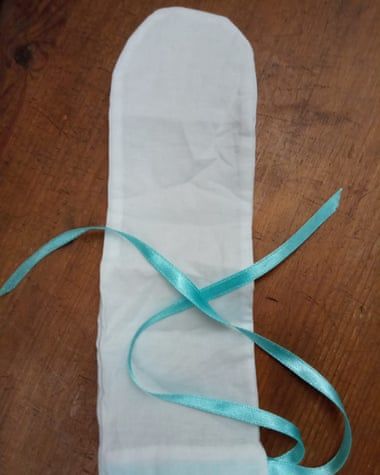
A replica linen condom which features in the tour.


One recurring problem is the difficulty finding a private place when living spaces were so cramped. “It was a huge issue. Curtains around the bed would have helped with privacy, but often beds were shared with children, with family pets, particularly in the 17th century, so people seem to have just grabbed the opportunity when they had it.”

Sources include a 17th-century pornographic novel, The School of Venus, which describes “making sure that you lock the door if you’re doing anything during the daytime”. Stephenson also refers to extracts from the diary of a wig maker who had sex with his wife at the back of the shop during lulls in trading. “It was all to do with snatching those moments of privacy when you found them because general living wasn’t private.”

The tour also examines the history of LGBT+ relationships, and the emergence of the first queer subculture – the Molly houses – with the persecution of gay men from the start of the 1700s.

Despite their vicious hounding in England, there were no convictions for gay sex in Scotland in the 18th century. Stephenson believes this was partly because of requirement in Scots law for corroboration, which bolstered tolerance of what happened behind closed doors.

There are growing calls to scrap this legal test because of its impact on domestic and sexual violence prosecutions: “It’s gone from something that actually protected a community to something that is now a bit of a barrier in terms of some prosecutions.”

Putting together the tour has raised as many questions as it has answered, Stephenson concludes, because the history of sex and intimacy is based on fragments, both in terms of written evidence and surviving objects.

“There is a taboo around it still. There are some amazing researchers working in specific areas, but nobody’s really joined it up in any public-facing way before. That’s the wonderful thing about the tour, that people are going to bring us more examples and we can expand it as we discover more.”


Newsletter

Related Articles

0:00
0:00
Close
Ukrainian Drone Barrage Kills Eight and Strikes Russian Logistics Network
The Ten World Cup Finals That Defined Football History
Smartphones Are Getting More Expensive, Sales Are Collapsing, and Even Apple Admits: "Prices Will Rise"
The Monaco Bombing Has Become a Test of Ukraine’s Intelligence Accountability
Leadership Change and Strategic Rivalry Redraw the Political Map
Energy Risk, Uneven Growth and the New Geography of Global Capital
The AI Race Enters Its Infrastructure Era
Security and resilience remain long-term national priorities
Britain balances growth ambitions with public finance pressures
Regional devolution becomes a defining theme of the next Labour era
Industrial strategy returns to the centre of British economic policy
Political Instability Remains a Challenge for UK Investment Confidence
Brexit Economic Debate Continues as Public Concerns Over Long-Term Impact Remain
UK Climate Risks Rise as Met Office Warns Extreme Weather Is Becoming More Common
Housing Shortages and Regional Inequality Become Key Priorities Under Incoming Labour Leadership
National Health Service Reform Remains One of Britain’s Biggest Political Challenges
Bank of England Remains at Centre of UK Economic Debate Over Inflation and Growth
UK Economy Shows Recovery Signs but Households and Businesses Remain Under Pressure
Britain Deepens European Defence Cooperation as NATO Allies Seek Stronger Security Capabilities
United Kingdom Expands Sanctions Against Russian Cyber Networks Over Security Threats
UK Industrial Strategy Faces Test After Government Takes Control of British Steel
British Businesses Seek Policy Clarity as Andy Burnham Prepares to Lead Labour Government
Andy Burnham’s Labour Leadership Signals Major Shift Toward Regional Power and Devolution
British Steel Nationalisation Creates New UK-China Tensions Over Control of Strategic Industry
For 36 Years, He Scammed About 300 Luxury Hotels — Until He Was Caught
England's World Cup Exit Expected to Cost Hospitality and Retail £334 Million
Former ICC Prosecutor Aide Speaks Publicly About Allegations Against Karim Khan
Opposition Raises Questions Over June Heatwave Power Grid Pressures
Mastercard Explores Sale of Majority Stake in UK Payments Operator Vocalink
Boeing Forecasts Global Commercial Aircraft Fleet Will Double by 2045
London GP Surgeries Receive £18 Million to Expand Primary Care Capacity
Health Advisers Recommend Nationwide Meningitis B Vaccination for Teenagers
OECD Warns UK Economy Faces Slower Growth and Weak Productivity
Treasury Places Major Global Cloud Providers Under Direct Financial Oversight
Financial Markets Rally as Shabana Mahmood Emerges as Leading Treasury Candidate
Incoming Government Prepares Thames Water Nationalisation and New North Sea Drilling Approvals
UK Government Plans Deep Cuts to Bilateral Aid for African Nations
United States and Iran Exchange Direct Strikes for Seventh Consecutive Night
Incoming Prime Minister Andy Burnham Confirmed as Labour Leader Ahead of Downing Street Handover
Britain Nationalises British Steel to Protect Scunthorpe Production and Strategic Supply
Andy Burnham Takes Labour Leadership and Prepares to Become Britain’s Seventh Prime Minister in a Decade
Tech Companies Want to Move Computing Off Your Screen and Onto Your Body
White House Teleprompter Operator Earned More Than $100,000 From Bets Linked to the President's Speeches
French Prime Minister Survives No-Confidence Vote After Controversial Budget Cuts
European Commission Opens Excessive Deficit Procedure Against France
French Senate Blocks Key Immigration Reform Measures
French Government Pushes EU Action Against Ultra-Fast Fashion Imports
French Parliament Debates Expanded Autonomy Powers for Corsica
France Reopens Autonomy Talks With New Caledonia After Months of Unrest
Bordeaux Wine Producers Seek Three Hundred Million Euro Aid Package After Export Collapse
×