London Daily

Focus on the big picture.
Monday, May 11, 2026

Hungary Turns the Page: A New Political Era Begins with Momentum and Expectations

Hungary Turns the Page: A New Political Era Begins with Momentum and Expectations

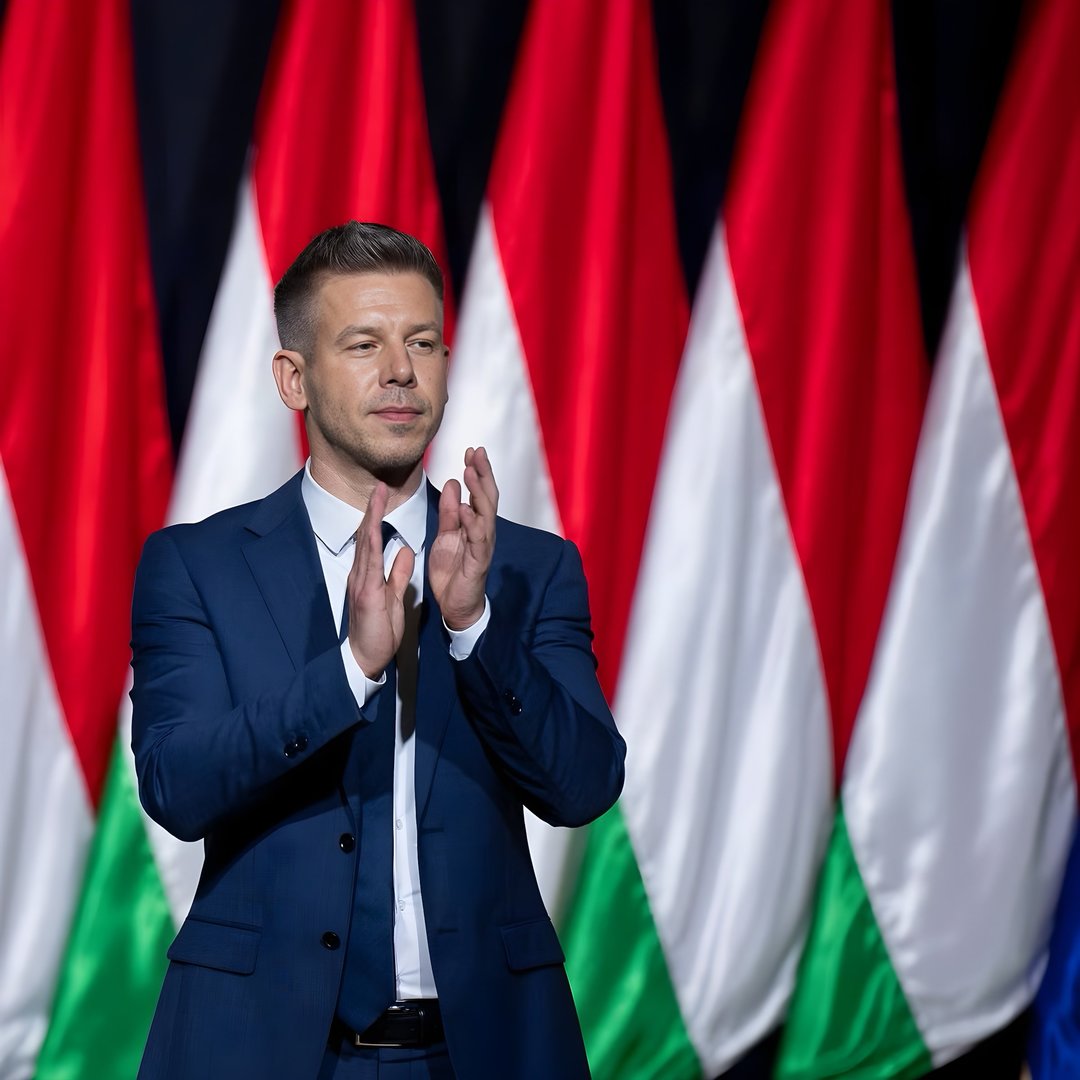
Hungary has entered a decisive new chapter in its modern political history. Following a landmark electoral victory, Péter Magyar and his Tisza party have brought an end to Viktor Orbán’s 16-year tenure—an era that shaped the country’s institutions, identity, and global positioning.

With a commanding 52% of the vote and a two-thirds parliamentary majority, the new leadership is not easing into power—it is accelerating into it. The transition signals not only a shift in political authority but a broader recalibration of Hungary’s direction, governance model, and international alignment. 

A Mandate for Change, Not Just Replacement

This election result is more than a routine political turnover. It reflects a strong public mandate for renewal—particularly among younger voters, who overwhelmingly supported Tisza. Their message is clear: a desire for modernization, transparency, and a more outward-looking Hungary.

Magyar’s early moves indicate a leadership style defined by urgency and structural ambition. Plans are already underway to restore institutional checks and balances, strengthen anti-corruption mechanisms, and realign Hungary with European legal and governance standards. 

Rebuilding Trust in Institutions

One of the central challenges ahead lies in restoring confidence—in governance, in public media, and in the rule of law. Proposals to reform state-controlled media and ensure editorial independence point toward a more pluralistic information environment.

Equally significant is the commitment to tackling corruption. The establishment of mechanisms to recover misused public funds, alongside potential cooperation with European investigative bodies, signals a shift toward accountability and financial transparency.

Economic Realities and Strategic Priorities

The incoming government inherits an economy facing structural strain. Immediate priorities include stabilizing growth, restoring investor confidence, and unlocking significant EU funding currently tied to governance reforms.

Energy security is also high on the agenda. While continuity remains in maintaining critical oil flows, the new leadership is clearly focused on diversification—reducing dependency and strengthening resilience through alternative supply routes. 

A Political Reset—For Both Sides

For Viktor Orbán and his Fidesz party, this moment represents both an end and a potential beginning. Orbán himself has acknowledged the historical nature of the defeat, describing it as the close of an era. The party now faces a period of introspection, renewal, and repositioning within a new political landscape.

At the same time, the absence of a clear successor underscores how deeply Orbán’s leadership defined the party—making its transformation both necessary and complex.

The Energy of a New Generation

Perhaps the most powerful signal emerging from this transition is generational. The strong youth turnout and support for Tisza reflect a Hungary that is evolving—socially, politically, and culturally.

The slogans heard in the streets—expressing national pride, European connection, and geopolitical independence—suggest a population seeking balance: rooted in identity, but open to the world.

High Expectations, Real Pressure

With a supermajority comes exceptional power—but also heightened scrutiny. The Tisza government now faces the challenge of converting political momentum into measurable results.

Speed will matter. Execution will matter more.

Hungary stands at a rare intersection: a moment where political change aligns with public expectation and structural opportunity. If managed effectively, this transition could redefine the country’s trajectory for years to come—not as a reaction to the past, but as a deliberate step into a more balanced, transparent, and forward-looking future.

Newsletter

Related Articles

0:00
0:00
Close
The War Map: Professor Jiang’s Dark Theory of Iran, Trump, China, Russia, Israel, and the Coming Global Shock [Podcast]
The End of the Old Order [Podcast]
Labour Is No Longer a National Party [Podcast]
Lawyers vs Engineers: Why China Builds While America Litigates [Podcast]
The AI Gold Rush Is Coming for America’s Last Open Spaces [Podcast]
The Pentagon’s AI Squeeze: Eight Tech Giants Get In, Anthropic Gets Shut Out [Podcast]
AI Isn’t Stealing Your Job. It’s Dismantling It Piece by Piece.
Kennedy’s Quiet War on Antidepressants Sparks Alarm Across America’s Medical Establishment
Britain’s Democracy Is Now a Costume
Churchill’s Glass: The Drunk, the Doctor, and the Myth Britain Refuses to Sober Up From
The Met Gala Meets the Age of Billionaire Backlash
Russian Oligarch’s Superyacht Crosses Hormuz via Iran-Controlled Route
Gunfire Disrupts White House Correspondents’ Dinner as Trump Is Evacuated
A Leak, a King, and a Fracturing Alliance
Inside the Gates Foundation Turmoil: Layoffs, Scrutiny, and the Cost of Reputational Risk
UK Biobank Breach Exposes Health Data of 500,000, Listed for Sale on Chinese Platform
KPMG Cuts Around 10% of US Audit Partners After Failed Exit Push
French Police Probe Suspected Weather-Data Tampering After Unusual Polymarket Bets on Paris Temperatures
CATL Unveils Revolutionary EV Battery Tech: 1000 km Range and 7-Minute Charging Ahead of Beijing Auto Show
Crypto Scammers Capitalize on Maritime Chaos Near the Strait of Hormuz: A Rising Threat to Shipping Companies
Changi Airport: How Singapore Engineered the World’s Most Efficient Travel Experience
Power Dynamics: Apple’s Leadership Shakeup, Geopolitical Risks in the Strait of Hormuz, and Europe's Energy Strategy Amidst Global Challenges
Apple's Leadership Transition: Can New CEO John Ternus Navigate AI Challenges and Geopolitical Pressures?
Italy’s €100K Tax Gambit: Europe’s Soft Power Tax Haven
News Roundup
Microsoft lost 2.5 millions users (French government) to Linux
Privacy Problems in Microsoft Windows OS
News roundup
Péter András Magyar and the Strategic Reset of Hungary
Hungary After the Landslide — A Strategic Reset in Europe
Meghan Markle Plans Exclusive Women-Focused Retreat During Australia Visit
Starmer and Trump Hold Strategic Talks on Securing Strait of Hormuz Amid Rising Tensions
Unofficial Australia Visit by Prince Harry and Meghan Expected to Stir Tensions with Royal Circles
Pipeline Attack Cuts Significant Share of Saudi Arabia’s Oil Export Capacity
UK Stocks Rise on Ceasefire Momentum and Renewed Focus on Diplomacy
UK to Hold Further Strategic Talks on Strait of Hormuz Security
Starmer Voices Frustration as Global Tensions Drive Up UK Energy Costs
UK Students Voice Concern Over Proposal for Automatic Military Draft Registration
Rising Volatility Drives Uncertainty in UK Fuel and Petrol Prices
UK Moves to Deploy ‘Skyhammer’ Anti-Drone System to Strengthen Airspace Defense
New Analysis Explores UK Budget Mechanics in ‘Behind the Blue’ Feature
Man Arrested After Four Die in Channel Crossing Tragedy
UK Tightens Immigration Framework with New Sponsor Rules and Fee Increases
UK Foreign Secretary Highlights Impact of Intensified Strikes in Lebanon
UK Urges Inclusion of Lebanon in US-Iran Ceasefire Framework
UK Stocks Ease as Ceasefire Doubts in Middle East Weigh on Investor Confidence
UK Reassesses Cloud Strategy Amid Criticism Over Limited Support Measures
UK Calls for Full and Toll-Free Access Through Strait of Hormuz Amid Rising Tensions
Starmer Signals Strategic Shift for Britain Amid Escalating Iran-Linked Tensions
UK Issues Firm Warning to Russia Over Covert Underwater Military Activity
×