London Daily

Focus on the big picture.
Thursday, Oct 08, 2026

Huawei founder sees decentralised control as a way to beat US sanctions

Huawei founder sees decentralised control as a way to beat US sanctions

A newly published speech that Ren Zhenfei gave in June reveals the Huawei CEO’s thinking on strategies for surviving US sanctions.

Huawei Technologies Co. must decentralise its operations, simplify product lines, focus on generating profit, and maintain pay levels for three to five years to survive US trade restrictions, according to a recently published speech from company founder and CEO Ren Zhengfei.

Ren made the speech last June, but Huawei only made it public on Friday, two days after the inauguration of US President Joe Biden. The Shenzhen-based telecoms equipment giant has faced many obstacles in the past six months: the company was banned from accessing products related to US technologies
and services, it sold its budget smartphone brand Honor, and it doubled its efforts in new business areas such as cloud services and smart cars.

Ren, 76, said in the speech that US restrictions have made it hard for Huawei to implement its original globalisation plans and that the company was forced to make its own production lines.

“There’s a big mismatch between our ability and strategy,” Ren said. “It’s our weak link, and we are forced to start from the beginning like elementary school students.”
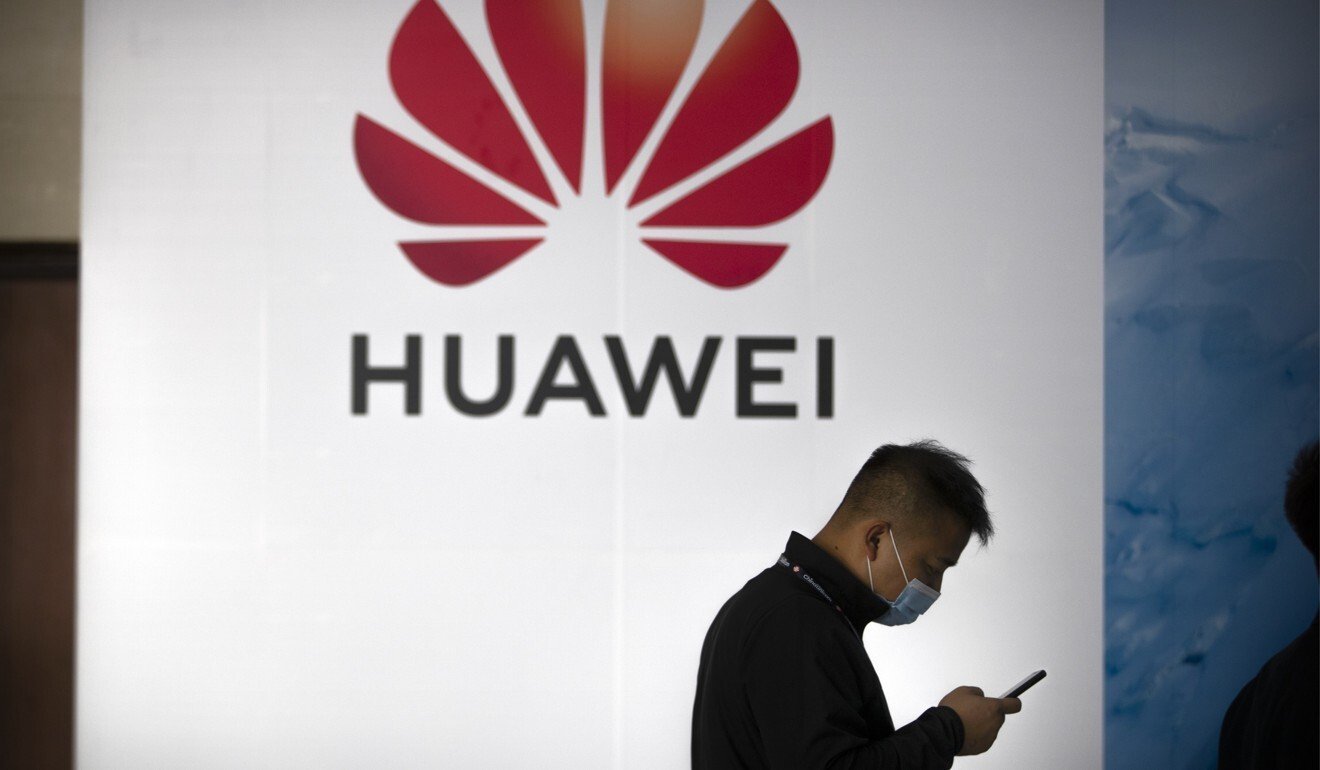

Ren said US restrictions have made it hard for Huawei to implement its original globalisation plans and that the company was forced to make its own production lines.


Referring to the Chinese proverb that “the cleverest housewife cannot cook a meal without rice”, Ren said Huawei is neither “a clever wife” nor does it “own rice”.

Ren’s speech was given in his typical style, combining corporate strategies, military terms, poetic expressions and philosophical language. The Chinese entrepreneur, whose business empire is at the centre of the storm engulfing the US-China technology rivalry, said Huawei will not be defeated or become resentful of the US.

“Please don’t be upset because of the temporary US pressure, or give up on our globalisation strategy,” Ren said. “There’s no future without embracing globalisation [in development and research].”

Huawei, according to Ren, must operate as normal and find ways to motivate people “under the principle that the compensation structure will not change in the next three to five years”.

Ren disclosed that “hundreds of Huawei cadres” have volunteered to be demoted. “It showed that our team is very good,” he said.

Huawei must also stay committed to research and development, the CEO said.

“We invest US$20 billion into research and development every year, but income is only 40 per cent of the input as 60 per cent [of investment] is burnt like candles in the dark,” Ren said. “But we are not complaining. We can bring light to others just like leading European, American, Japanese and Russian businesses did.”

Ren called on the company to remain focused, with an eye on profits.

“We must gradually shift focus from the top line to the bottom line. All product lines … must not blindly pursue becoming No 1 … we don’t have the conditions to always fight to be No 1,” Ren said. “We must create value and reasonable profits to ensure healthy growth.”

The CEO also called for the company to delegate more authority to local branches and offices. “Battlefield commands shall be made by those who can hear the sound of gunfire,” said Ren, who previously worked for the People’s Liberation Army. “Even without a central command centre, the company can still fight in a flexible way, and that’s the goal of our reform.”

Huawei has realised that the US wants nothing from the company but its death, Ren said.

“At the beginning, we thought we might have done something wrong in compliance and we carried out self examination; but then the second blow and third blow followed. Then we realised that they want our death … but the desire to survive has also motivated us”.

Ren had long sought to keep a low profile, but increased tensions with the US over the last couple years pushed him into the spotlight. In an interview with the South China Morning Post in early 2020, Ren said that he was not the spiritual leader of Huawei and that his “biggest wish is to drink coffee in a cafe unnoticed”.

Newsletter

Related Articles

0:00
0:00
Close
Britain Maintains Diplomatic Mission in East Jerusalem Despite Israeli Closure Deadline
English Councils Push Government to Rethink Proposed Funding Cuts
Scottish Homebuilding Falls to Lowest Level in 11 Years
BBC Chief Matt Brittin Defends Restructuring as Staff Challenge Job Cuts
UK Finance Warns High Energy Costs and Bond Yields Are Complicating Fiscal Outlook
UK Adopts All 44 Recommendations on Regulating AI in Healthcare
Chancellor John Healey Prepares Autumn Budget as Borrowing Costs Strain Public Finances
UK Investigators See Strong Indications of Iranian Link After RAF Fairford Security Operation
Laura Trott Pledges Tighter Controls on Political Activism in UK Classrooms
Welsh Ministers Launch Long-Term Review of North Wales and Anglesey Crossings
Welsh Government Orders 18-Month Study of Road Solutions Around Newport
Reform UK MP Sarah Pochin Faces Scrutiny Over £800,000 Second Home Purchase
British Households Grow More Concerned About Fuel and Energy Prices
NHS Leaders Warn of Rising Winter Pressure on Emergency Departments
Kemi Badenoch Proposes £2.3 Billion Employer National Insurance Cut for Young Workers
Middle East Conflict Could Erase UK Fiscal Headroom, Economists Warn
Manchester City Found Guilty of Multiple Premier League Financial Rule Breaches
UK Security Services Find Strong Indications of Iranian Role in RAF Fairford Incident
Costa Coffee Returns to Operating Profit on Iced Drinks and Menu Changes
Asos Warns Customers After Unauthorized Access to Retail App and Data
Kemi Badenoch Puts Growth and Deregulation at Center of Conservative Conference
Campaigners Warn of Deepening Social Care Crisis for Disabled Adults
Study Finds Rising Early-Onset Cancer Rates Among Adults Under 50 in Britain
UK Coach Operators Warn High Diesel Prices Could Force Route Cuts
FCA Opens Independent Review Into Handling of Epstein-Linked Whistleblower Case
Argentina Vows to Block Falkland Islands Offshore Oil Development
UK Chancellor Prepares Fiscal Measures and Welfare Reforms Ahead of Autumn Budget
Sainsbury’s and Morrisons Explore Potential Multi-Billion-Pound Merger
UK Weighs Tariffs on Chinese Electric Vehicles to Align With European Union
UK Threatens Diplomatic Expulsions Over Planned Closure of East Jerusalem Consulate
UK Energy Price Cap Hits Three-Year High as Middle East Conflict Raises Costs
Seventh Arrest Made in Suspected Terror Plot at RAF Fairford
Systemic Education Collapse Sparks Mass Student Uprisings in France
Green Party Faces Backlash Over Resolution Equating Zionism With Racism
Conservatives Debate Scrapping Environmental Rules for New Homes
Cornwall Insight Warns UK Energy Bills Could Approach £2,000 This Winter
UK Coach Operators Warn of Service Cuts as Diesel Prices Exceed £2
Scottish Parliament Approves £68 Billion Budget With New Tax and Property Measures
FCA Opens Independent Review Into Handling of Epstein Whistleblower
UK Government Drops Plan to Suspend Jury Trials in England and Wales
Bank of England Holds Interest Rate at 3.75% as Markets Watch November
Two Iranian Nationals Charged Over Alleged Plot Targeting Manchester Jewish Community
UK Fiscal Headroom Halves to £11 Billion Ahead of Budget, EY Warns
US Bomber Withdrawal From RAF Fairford Prompts UK Security Review
Sarah Wakfer Appointed Chair of Northern Ireland’s Health and Care Regulator
Scotland Housing Completions Fall to 11-Year Low Amid National Shortage
UK Water Companies Face Tougher Oversight and Unannounced Regulatory Inspections
Middle East Conflict Pushes UK Fuel and Wholesale Energy Prices Higher
Andy Burnham Raises Prospect of Second Brexit Referendum in Review of UK-EU Relations
EY Warns UK Fiscal Headroom Has Halved to £11 Billion Ahead of Autumn Budget
×