

December strike by NHS nurses is biggest in their history
The Royal College of Nursing (RCN) announced strikes on 15 and 20 December in its pay dispute with the government.
Nurses will still provide emergency care, but routine services will be hit.
The RCN said it had been given no choice after ministers would not reopen talks, but the government said the 19% pay rise demanded was unaffordable.
RCN general secretary Pat Cullen said: "Ministers have chosen strike action.
"Nursing staff have had enough of being taken for granted, enough of low pay and unsafe staffing levels, enough of not being able to give our patients the care they deserve."
Under trade union laws, the RCN has to ensure life-preserving care is provided during the strikes, which will last from 08:00 to 20:00 GMT.
This is likely to mean some urgent cancer services, urgent tests and scans and ongoing care for vulnerable patients will be protected alongside A&E and intensive care - although it will be up to local health bosses and union leaders to negotiate exact staffing levels on strike days.
But it seems almost certain the walkout will increase the backlog in non-urgent hospital treatment - a record seven million people are already on the waiting list in England.
Louise Ansari, from the Healthwatch England patient watchdog, said she was "concerned" about the impact on this group of patients.
'I am sorry we are having to do this'
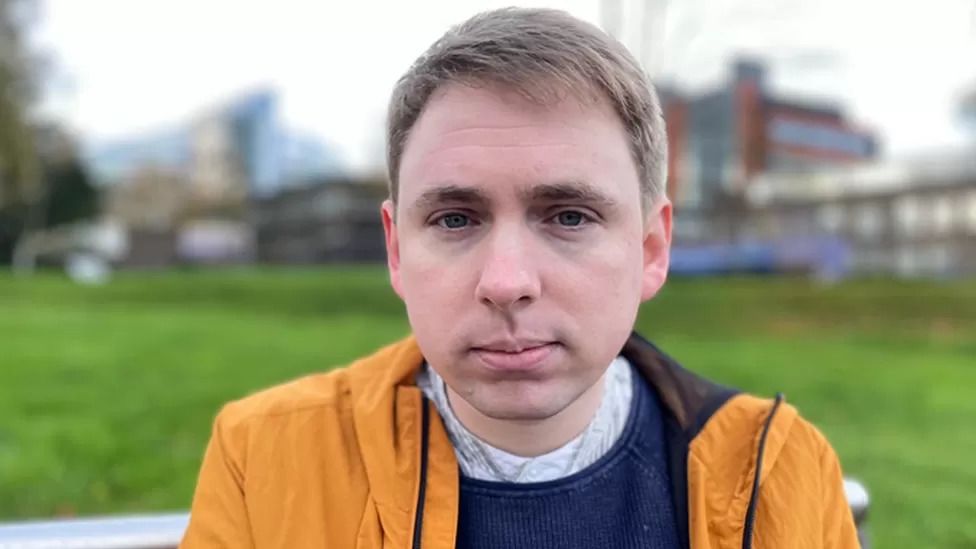
Hospital nurse Shaun Williams only started working as a nurse a year ago.
He said the thought of striking makes him sad, but he is prepared to do it.
"I am sorry we are having to do this.
"But we are doing it for the right reasons, we are doing it for patient safety.
"You are running on reserves most days. We do not have enough staff and because of the lack of nurses, patients are at risk.
"Unless we pay nurses more we are not going to attract people or keep people."
And he says unless the situation changes he may even quit nursing.
GP services, however, will be unaffected as nurses working in practices were not entitled to take part in the ballot.
And because a series of individual ballots were held at NHS trusts and boards rather than one national ballot, nurses at more than 40% of England's hospitals, mental health and community services are not entitled to strike because the turnout was too low in those votes.
However, walkouts can happen at all of Northern Ireland's health boards and in all-but-one in Wales, the Aneurin Bevan.
Staggered action
What is not clear yet is just how many of the services where strike action can take place will see walkouts.
It is possible the RCN could stagger the action so some services go on strike in December, with others to follow suit next year if the industrial action continues.
It is seen by the union as a way of limiting the disruption to patients, while keeping the pressure on the government.
Individual NHS trusts and boards will not find out until next week whether they will see walkouts on the two dates, because that is when the formal notices will go out.
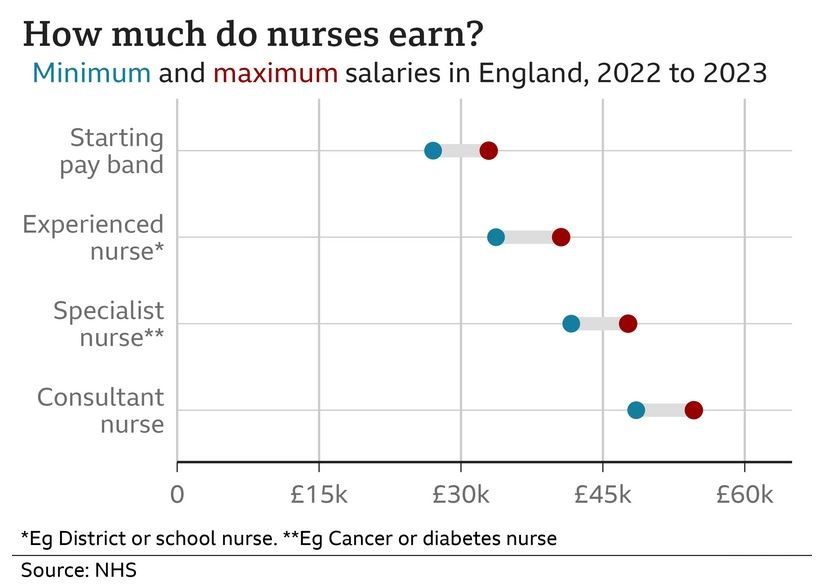
The RCN has called for a rise of 5% above the RPI inflation rate, which currently stands at above 14%, but no UK nation has offered close to that.
In England and Wales, NHS staff, including nurses, have been given a rise of at least £1,400 - worth about 4% on average for nurses.
In Northern Ireland, nurses are yet to receive a pay award because there is no working government.
Strike action has been suspended in Scotland however after the government there made a fresh offer worth more than 8% for a newly-qualified nurse. More senior nurses are being offered less. The RCN said it was considering the offer.
'Strike last thing patients need'
During the ballot, the results of which were announced two weeks ago, the RCN had argued this year's below-inflation pay award came after years of squeezes on nurse's salaries.
But England Health Secretary Steve Barclay said the RCN's demands were not affordable, adding he "deeply regretted" union members would be taking action.
He pointed out the government had met the recommendations of the independent NHS Pay Review Body in giving its award.
And it followed a 3% pay rise last year, in recognition of work during the pandemic, despite a public-sector pay freeze.
"Our priority is keeping patients safe. The NHS has tried and tested plans in place to minimise disruption," he added.
The Welsh government said it was unable to enter pay talks without extra funding from the UK government.
Labour shadow health secretary Wes Streeting said talks should restart - although he would not commit to paying the above-inflation pay rise the RCN was seeking.
"Why on earth is the health secretary refusing to negotiate with nurses? Patients will never forgive the Conservatives for this negligence."
This will only be the second time RCN members have been on strike.
In 2019, nurses in Northern Ireland walked out over pay, while nurses who are members of Unison in England walked out in 2014 over pay.
A host of other major health unions, including Unison, the Royal College of Midwives, GMB and Unite, have all started balloting members.
Watch this video quiz to test your knowledge of nurses' pay