London Daily

Focus on the big picture.
Saturday, Feb 28, 2026

Climate change: Will UK mining drive a green revolution?

Climate change: Will UK mining drive a green revolution?

Bumping around in the back of a truck, we descend underground.

Just the headlights guide our way into the gloomy tunnels ahead.

We’re heading into South Crofty mine in Cornwall, where copper and tin have been excavated for hundreds of years.

"This tunnel, we believe, is Elizabethan, so it dates back to the 1500s,” says Richard Williams, CEO of Cornish Metals, as we enter one of the oldest parts of the site.

But access is limited. Much of the mine flooded after South Crofty shut in 1998.
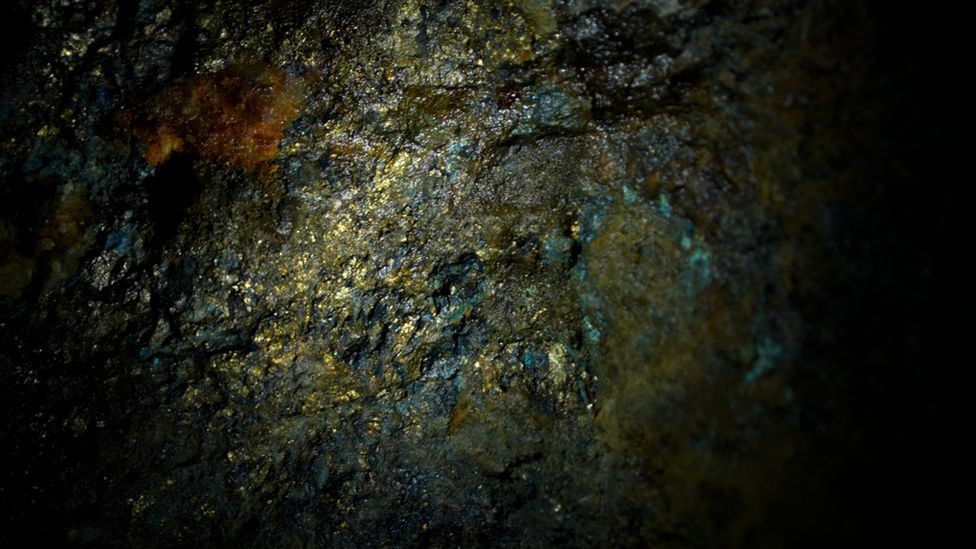
Cornish Metals wants to open up South Crofty again

Now though, it may open again. With the growth of renewable energy and electric vehicles, demand for some minerals is soaring.

"Next-generation solar panels use a compound called tin perovskite; anything with an electric connection, a circuit board has tin in it," explains Mr Williams.

"We'd be contributing to the UK's objective of meeting its carbon neutral target by 2050. And to have that domestic supply on your doorstep, it makes sense to see this mine put back into production."
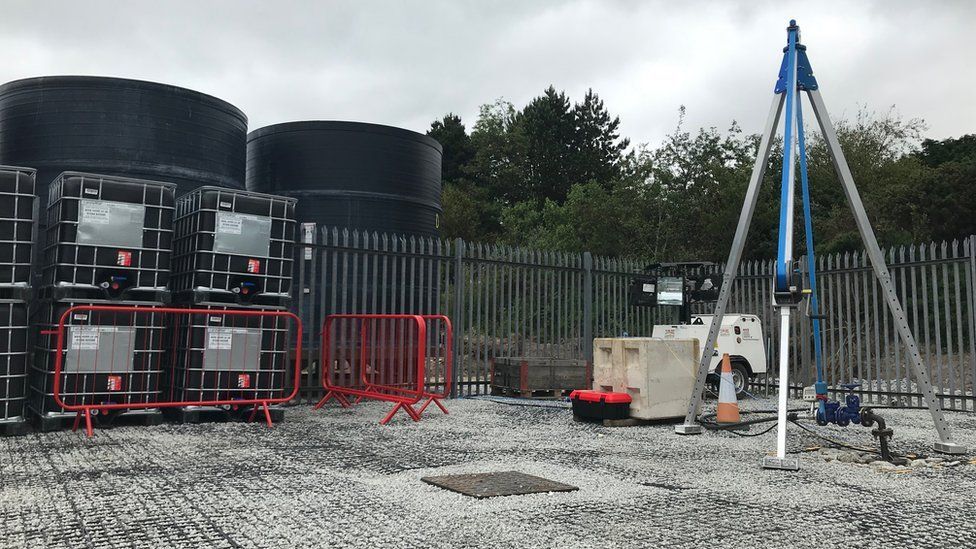
This borehole descends a kilometre beneath the ground

The rocks of this region hold a metal of great interest, too.

Lithium was discovered in Cornwall about 150 years ago, but back then there was little need for it.

It’s a very different story today.

Lithium is the main component of the batteries that electric cars use. And with the UK's ban on the sale of new diesel and petrol cars that comes into force in 2030, we will need more and more of it.

Half an hour away, we head to a site extracting the metal. It’s about as different as it gets from a deep, dusty mine.

On the edge of an industrial estate, a small borehole has been drilled that reaches about a kilometre beneath the ground.

"Down there are geothermal waters that are circulating naturally within fractures in the rock," explains Lucy Crane, the chief geologist at Cornish Lithium.
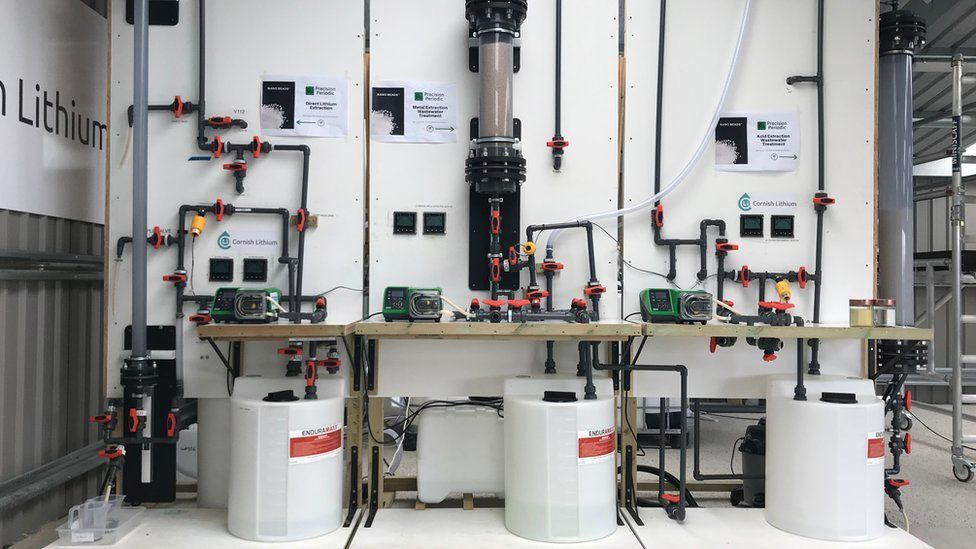
Different technologies are being piloted to remove lithium from the geothermal waters

The lithium from the rocks seeps into this underground water, and the brine is pumped back up to the surface.

The company has just started testing different technologies to extract the metal. The idea is to draw out the lithium and then, once it’s removed, inject the water back underground so the process can be repeated.

The energy used to power this process will be from a renewable source - the natural heat from the deep rocks can be converted into electricity, making the process carbon-neutral.

"If we're going to be producing these metals to go into low-carbon technologies, then it's so important that we extract them as responsibly as possible,” Lucy Crane tells me.

Demand for many metals and minerals is rising rapidly as green technologies take off

Currently, lithium is either mined directly from rocks in Australia or taken from salt lakes in South America.

But Cornish Lithium thinks it could eventually supply about a third of the UK's future lithium needs.

"The UK’s demand for lithium is going to be about 75,000 tonnes of lithium carbonate from 2035,” explains Jeremy Wrathall the founder and CEO of Cornish Lithium.

"To put it into perspective, that's about a fifth of total global supply right now. So the UK is going to really need a lot of this stuff."

The World Bank estimates that globally the production of lithium will need to increase by 500% by 2050. Other products essential to the green economy, such as graphite and cobalt, will need a similar boost in supply.
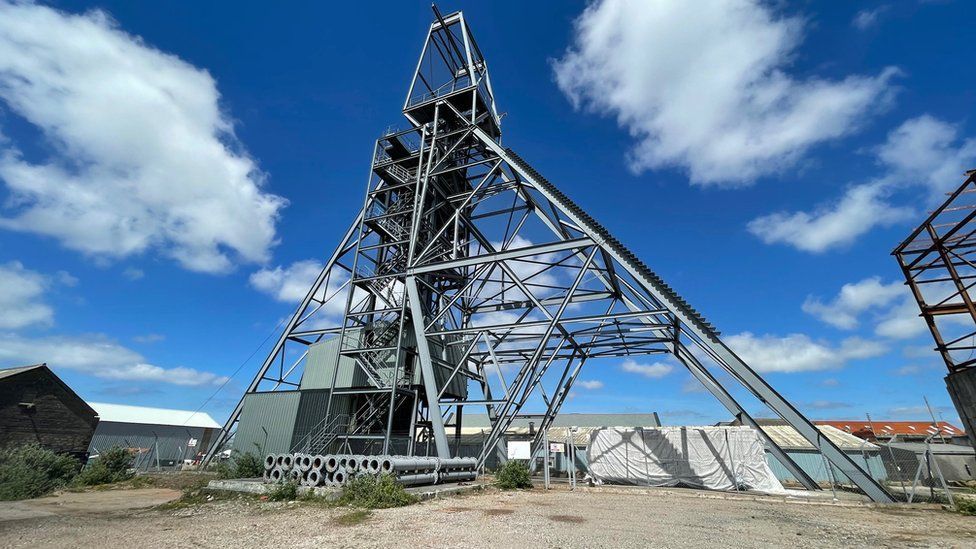
Experts say mining needs to become more sustainable

"The irony of the green revolution is that we - at least for the medium to short term - need a supply of new metals mined out of the ground," says Prof Richard Herrington, head of earth sciences at London’s Natural History Museum.

He believes an urgent conversation is needed to assess where and how these minerals are extracted.

"Ideally, we should work towards a circular economy where we just recycle the metals we use. But at this moment in time, we can't do that. It's just that the growth is too fast, it's too rapid.

"And to hit the target of net zero, we need those technologies now, so I think it's inevitable we will continue mining."

But mining in the future will have to be different, to minimise and repair any environmental damage.

"What we really need to do is make sure that mining can be done in a sustainable way, so that the legacy isn't a scarred landscape, isn't something that is causing problems for the population and for the ecosystem."

A green revolution is pointless, Prof Herrington argues, unless the planet is protected in the process.


Geologist Lucy Crane explains how geothermal water can help provide the lithium for batteries used in electric cars


Newsletter

Related Articles

0:00
0:00
Close
When the State Replaces the Parent: How Gender Policy Is Redefining Custody and Coercion
Bill Clinton Denies Knowing Woman in Hot Tub Photo During Closed-Door Epstein Deposition
Former U.S. President Bill Clinton Testifies on Ties to Jeffrey Epstein Before Congressional Oversight Committee
Dyson Reaches Settlement in Landmark UK Forced Labour Case
Barclays and Jefferies Shares Fall After UK Mortgage Lender Collapse Rekindles Credit Market Concerns
Play Exploring Donald Trump’s Rise to Power by ‘Lehman Trilogy’ Author to Premiere in the UK
Man Arrested After Churchill Statue Defaced in Central London
Keir Starmer Faces Political Setback as Labour Finishes Third in High-Profile By-Election
UK Assisted Dying Bill Set to Fall Short in Parliament as Regional Initiatives Gain Ground
UK Defence Ministry Clarifies Position After Reports of Imminent Helicopter Contract
Independent Left-Wing Plumber Secures Shock Victory as Greens Surge in UK By-Election
Reform UK Refers Alleged ‘Family Voting’ Incidents in By-Election to Police
United Kingdom Temporarily Withdraws Embassy Staff from Iran Amid Heightened Regional Tensions
UK Government Reaches Framework Agreement on Release of Mandelson Vetting Files
UK Police Contracts With Israeli Surveillance Firms Spark Debate Over Ethics and Oversight
United Airlines Passenger Hears Cockpit Conversations After Accessing In-Flight Audio Channel
Spain to Conduct Border Checks on Gibraltar Arrivals Under New Post-Brexit Framework
Engie Shares Jump After $14 Billion Agreement to Acquire UK Power Grid Assets
BNP Paribas Overtakes Goldman Sachs in UK Investment Banking League Tables
Geothermal Project to Power Ten Thousand Homes Marks UK Renewable Energy Milestone
UK Visa Grants Drop Nineteen Percent in 2025 as Migration Controls Tighten
Barclays and Jefferies Among Banks Exposed to Collapse of UK Mortgage Lender MFS
UK Asylum Applications Edge Down in 2025 Despite Rise in Small Boat Crossings
Jefferies Reports Significant Exposure After Collapse of UK Lender MFS
FTSE 100 Reaches Fresh Record Highs as Major Share Buybacks and Earnings Lift London Stocks
So, what's happened is, I think, government policy, not just under Labour, but under the Conservatives as well, has driven a lot of small landlords out of business.
Larry Summers, the former U.S. Treasury Secretary, is resigning from Harvard University as fallout continues over his ties to Jeffrey Epstein.
U.S. stocks ended higher on Wednesday, with the Dow gaining about six-tenths of a percent, the S&P 500 adding eight-tenths of a percent, and the tech-heavy Nasdaq climbing roughly one-and-a-quarter percent.
From fears of AI-fuelled unemployment to Big Tech's record investment, this is AI Weekly.
Apple just dropped iOS 26.4.
US Lawmakers Seek Briefing from UK Over Reported Encryption Order Directed at Apple
UK Business Secretary Calls on EU to Remove Trade Barriers Hindering Growth
Legal Pathways for Removing Prince Andrew from Britain’s Line of Succession Examined
PM Netanyahu welcome India PM Narendra Modi to Israel
Shadow Diplomacy: How Harry and Meghan’s Jordan Trip Undermines the Monarchy
Sir Jim Ratcliffe, co-owner of Manchester United, comments on immigration in the UK.
Bill Gates, the UN and the WEF are attempting to construct "a giant digital gulag for all of humanity" via digital ID, CBDCs and vaccine passport infrastructure.
Britain’s Channel Crisis: Paying Billions While the Boats Keep Coming
Downing Street’s Veteran Deception Scandal
UK HealthCare Expands ‘Food as Health’ Initiative Statewide to Tackle Chronic Illness in Kentucky
Leonardo Chief Says UK Set to Decide on New Medium Helicopter Programme
UK Slows Chagos Islands Agreement After Concerns Raised in Washington
European and UK Stock Markets Reach Fresh Highs as Banks and Miners Lead Rally
UK Government Insists Chagos Islands Negotiations Continue After Minister’s ‘Pause’ Remark
No Confirmed Deal for Engie to Acquire UK Power Networks Amid Market Speculation
UK Reaffirms Updated Entry Requirements for Travellers as of February 25, 2026
General Atlantic to sell equity stake in ByteDance, valuing the company at $550 billion
German Chancellor Friedrich Merz Secures Pledge from China for Greater Imports of Quality Goods
Lord Mandelson Condemns Arrest as Driven by ‘Baseless Suggestion’ He Would Flee Abroad
Former UK Ambassador Released on Bail Following Arrest in Epstein-Linked Investigation
×