London Daily

Focus on the big picture.
Sunday, Jul 19, 2026

Care homes in England lose 1,600 beds in six-month period

Care homes in England lose 1,600 beds in six-month period

Owners hits by staff shortages, mandatory jab policy and Covid cases, finds Care Quality Commission

More than 1,600 care home beds have been lost in just six months, as worsening staff shortages and the financial strain after two years of the Covid pandemic have caused a net loss of 134 homes in England.

The deregistrations, which were not outweighed by new openings, came as staff shortages almost doubled, to 11% of the workforce, from August to the end of January, according to figures released on Wednesday by the Care Quality Commission.

Three-quarters of care homes that responded to a survey also told the regulator they had been unable to recruit staff, the biggest problem being the mandatory Covid-19 vaccine policy, which was scrapped at the start of February. Obligatory double vaccination for social care staff was introduced on 11 November 2021 and about 40,000 staff left their jobs, sparking anger among care home operators who said the staff had been unfairly singled out for the mandate.

Two-fifths of care homes now believe a lack of staff is having a negative impact on care. CQC figures show there was also a surge in incidents affecting the health, safety and welfare of residents in December, which were caused by staffing issues. The area with the biggest reduction in care home registrations was south-east England.

The crisis in staffing has been compounded by Covid outbreaks in care homes, which have forced the organisations to stop admitting new residents. It has increased pressure on homecare services, which are also struggling with their own acute workforce crisis.

In Cornwall the family of a man with advanced multiple sclerosis urgently seeking a care home place was told this week by officials that there were only five places available in the county and that about 200 people needed them, including those awaiting discharge from hospital.

Shelagh Young said her brother, Bob Young, had been left for periods sitting in urine and excrement at his home, and was waitingfor a respite care placement. The 58-year-old had wanted to stay at home, previously declining a move to a home. He had had sporadic help from community nurses and a volunteer charity but on Monday told his sister this was “no kind of life”.
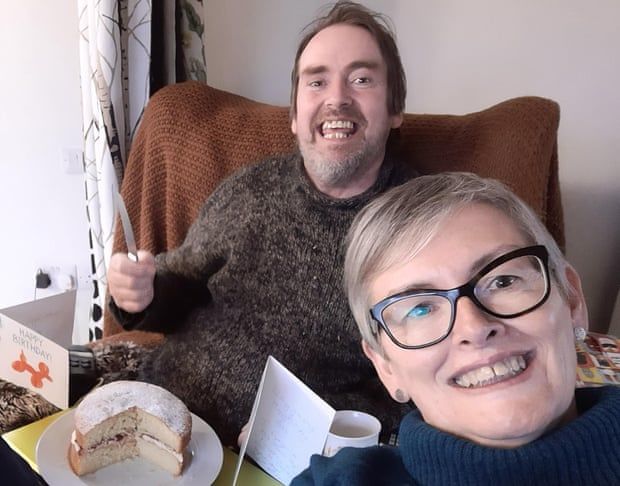
Bob Young, 58, who relies on social care in Cornwall, and his sister, Shelagh Young.


She said she sympathised with the county officials who were trying to get him help, but they told her the shortages were linked to a deficit of care workers. Cornwall county council was contacted for comment.

Vic Rayner, the chief executive of the National Care Forum, which represents not-for-profit care operators, said the CQC figures had to be a wake-up call. “We have been warning about this staffing shortage for months now and this data may be the tip of the iceberg. Our members have been telling us that it is proving harder and harder to recruit staff, which is exacerbating the workforce pressures,” she said.

“There is an urgent need to think strategically about the social care needed within communities, and to plan and resource the social care workforce in a way that ensures that people can exercise their right to high-quality social care when and where they need it.”

Kate Terroni, the CQC chief inspector of adult social care, told the CQC board that after nearly 1,900 inspections since the start of December, the area in need of most improvement was found to be infection control.

Families of care home residents are now also concerned that lateral flow tests for visitors to the establishments will no longer be free of charge. The Rights for Residents campaign group described the change as an immoral “pay per view” policy and are demanding reinstatement of the free tests.

CQC reported that it also investigated allegations of blanket visiting bans at 82 homes in recent months, in breach of government guidelines.


Newsletter

Related Articles

0:00
0:00
Close
Ukrainian Drone Barrage Kills Eight and Strikes Russian Logistics Network
Key Trends to Watch
Financial Conduct Authority Warns Cloud and Digital Risks Are Becoming a Financial Priority
Jeffrey Donaldson Appeals Sexual Abuse Conviction as Democratic Unionist Party Opens Review
Welsh Health Authorities Launch Emergency Meningitis Vaccination Programme for Students
Scottish Business Activity Falls for Third Month as Companies Face Rising Costs
Bank of England Regulators Demand Better Access to Digital Banking Services
United Kingdom Cuts Bilateral Aid to Several African Countries by Up to Ninety Per Cent
United Kingdom Introduces Tougher Deportation Rules After Rochdale Exploitation Scandal
NHS England Launches Wearable Technology Plan to Reduce Sepsis Deaths
Amazon Web Services Billing Error Sends Trillion-Dollar Invoices to British Companies
Bank of England Takes Direct Regulatory Role Over Major Global Cloud Providers
Extreme Summer Heat Drives Record Fire Risk and Rising Deaths Across Britain
United Kingdom Nationalisation of British Steel Sparks Diplomatic Dispute With China
United Kingdom Economy Shows Weak Growth Ahead of Major Autumn Budget
Andy Burnham Set to Become United Kingdom Prime Minister After Labour Leadership Victory
The Ten World Cup Finals That Defined Football History
Smartphones Are Getting More Expensive, Sales Are Collapsing, and Even Apple Admits: "Prices Will Rise"
The Monaco Bombing Has Become a Test of Ukraine’s Intelligence Accountability
Leadership Change and Strategic Rivalry Redraw the Political Map
Energy Risk, Uneven Growth and the New Geography of Global Capital
The AI Race Enters Its Infrastructure Era
Security and resilience remain long-term national priorities
Britain balances growth ambitions with public finance pressures
Regional devolution becomes a defining theme of the next Labour era
Industrial strategy returns to the centre of British economic policy
Political Instability Remains a Challenge for UK Investment Confidence
Brexit Economic Debate Continues as Public Concerns Over Long-Term Impact Remain
UK Climate Risks Rise as Met Office Warns Extreme Weather Is Becoming More Common
Housing Shortages and Regional Inequality Become Key Priorities Under Incoming Labour Leadership
National Health Service Reform Remains One of Britain’s Biggest Political Challenges
Bank of England Remains at Centre of UK Economic Debate Over Inflation and Growth
UK Economy Shows Recovery Signs but Households and Businesses Remain Under Pressure
Britain Deepens European Defence Cooperation as NATO Allies Seek Stronger Security Capabilities
United Kingdom Expands Sanctions Against Russian Cyber Networks Over Security Threats
UK Industrial Strategy Faces Test After Government Takes Control of British Steel
British Businesses Seek Policy Clarity as Andy Burnham Prepares to Lead Labour Government
Andy Burnham’s Labour Leadership Signals Major Shift Toward Regional Power and Devolution
British Steel Nationalisation Creates New UK-China Tensions Over Control of Strategic Industry
For 36 Years, He Scammed About 300 Luxury Hotels — Until He Was Caught
England's World Cup Exit Expected to Cost Hospitality and Retail £334 Million
Former ICC Prosecutor Aide Speaks Publicly About Allegations Against Karim Khan
Opposition Raises Questions Over June Heatwave Power Grid Pressures
Mastercard Explores Sale of Majority Stake in UK Payments Operator Vocalink
Boeing Forecasts Global Commercial Aircraft Fleet Will Double by 2045
London GP Surgeries Receive £18 Million to Expand Primary Care Capacity
Health Advisers Recommend Nationwide Meningitis B Vaccination for Teenagers
OECD Warns UK Economy Faces Slower Growth and Weak Productivity
Treasury Places Major Global Cloud Providers Under Direct Financial Oversight
Financial Markets Rally as Shabana Mahmood Emerges as Leading Treasury Candidate
×