

Britain records 14,162 more Covid-19 cases as daily infections surge
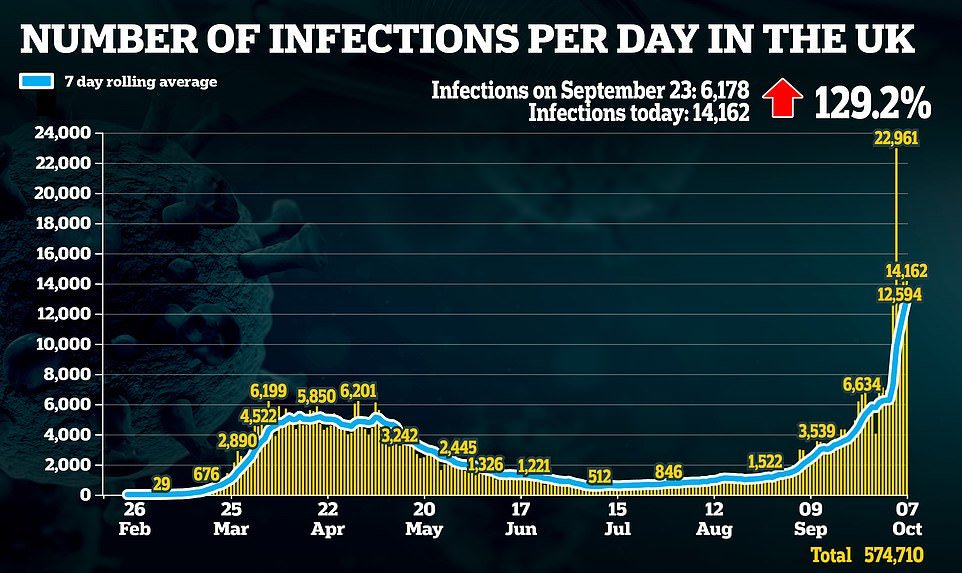
Britain today recorded 14,162 more coronavirus cases, with the number of people testing positive for the disease every day doubling in a fortnight.
Data from last Tuesday, which would normally be used to measure how much the UK's outbreak has grown in the last week, is unreliable due to a catastrophic counting error at Public Health England. It means Wednesday September 23 is the most recent point of reference — there were just 6,178 cases on that date.
Another 70 deaths from coronavirus were announced by health chiefs, bringing the country's total death toll to 42,515. This marked a very slight drop on last Wednesday when 71 deaths were recorded. Death tallies were not affected by the counting error, meaning figures from last week can still be used as a point of reference.
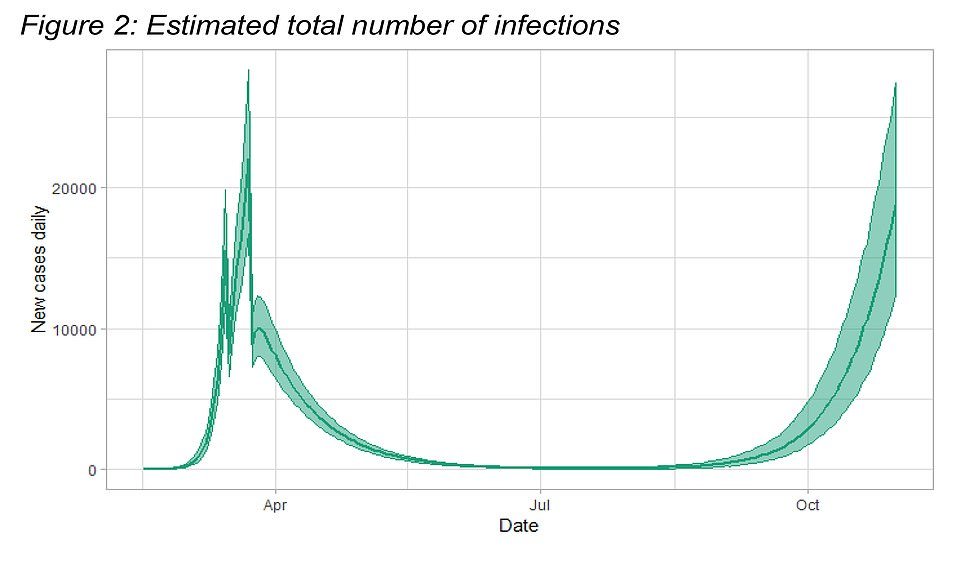
Yesterday a further 14,542 more cases were recorded, which was triple the number of people who tested positive on that day a fortnight ago. The rolling seven-day average of daily infections - considered a more accurate measure because it takes into account day-to-day fluctuations, has also surged upwards over the same time frame.
The number of people being admitted to hospital today fell to 472 from 478 yesterday, marking a small dip but still significantly higher than a week ago when it was 310. Continued increases have taken the average of daily admissions to 388 for the UK as a whole, up from 283 a week ago and just 77 on September 7.
A majority of the people being admitted to hospital currently are in the northern regions of England, which is bearing the brunt of Britain’s second wave. There are now 3,145 people currently in hospital with Covid-19 across the UK.
Although the curves are clearly trending the wrong way, the number of Covid-19 deaths and infections are still a far-cry from levels seen during the darkest days of the pandemic in spring, when more than 1,000 patients were dying and at least 100,000 Britons were catching the disease every day.
Rising cases and hospital admissions in Scotland mean the country now faces a raft of tougher lockdown rules with Nicola Sturgeon banning drinking alcohol inside from Friday this week.
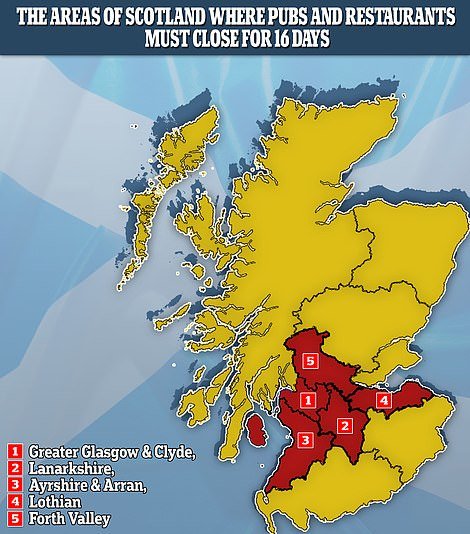
The harsh restrictions mean indoor hospitality venues will be forced to close at 6pm or closed completely in five areas of the country – Greater Glasgow and Clyde, Lanarkshire, Ayrshire & Arran, Lothian and Forth Valley.
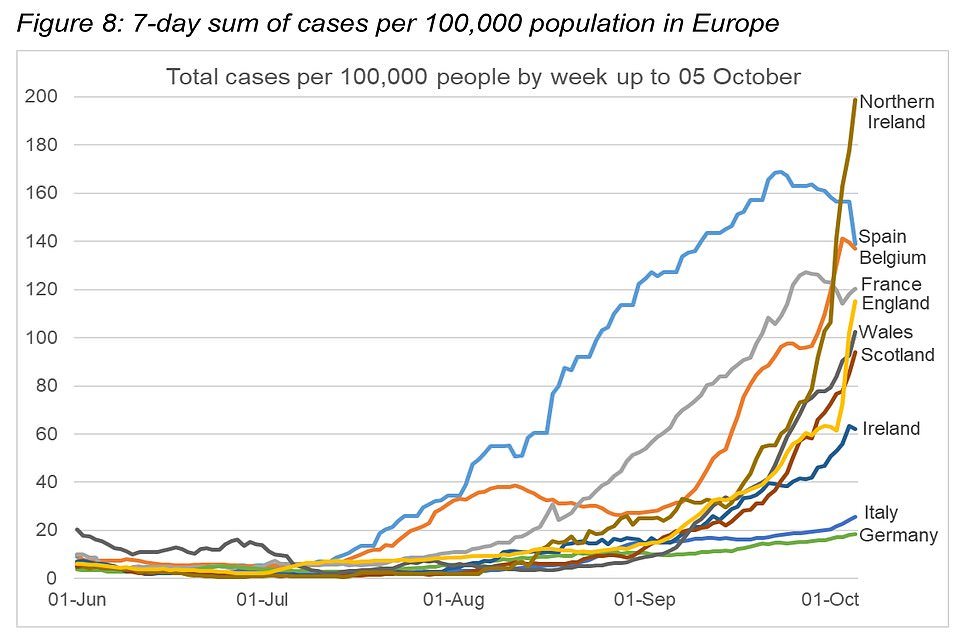
Ms Sturgeon’s rules, which will last for 16 days, come even though the country has a lower per-person infection rate than any other nation of the UK at around 90 cases per 100,000 people.
The move will pile pressure on Boris Johnson to take more drastic action in the rest of the British Isles – the infection rate in England is at 120 cases per 100,000 and it’s close to 200 in Northern Ireland. It is second lowest in Wales at around 100.
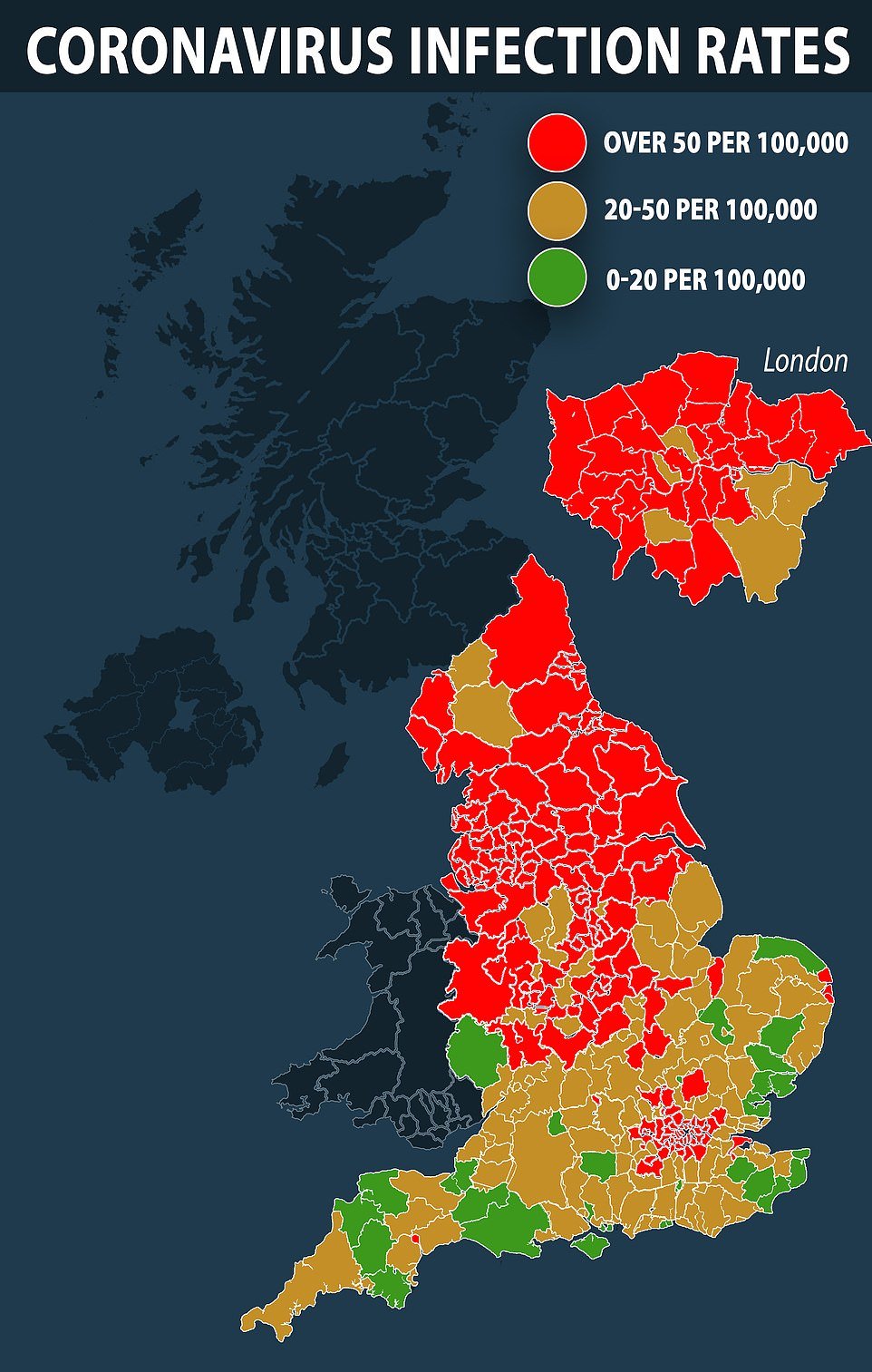
Tighter rules and possibly a full lockdown for the North of England are looming on the horizon as the region experiences exploding numbers of cases and warnings that hospital admissions could hit April levels before the end of the month.
As the number of deaths from coronavirus continues to rise:
* The leaders from four Covid-hit northern cities, Manchester, Liverpool, Leeds and Newcastle have written to Mr Johnson begging him not to ramp up coronavirus curbs again;
* Heathrow bosses prepare to trial the world's first coronavirus passport in a bid to get passengers back into the air without the risk of quarantine;
* Scotland could announce the closure of pubs today, according to reports, in a desperate bid to stop the spread of the virus in its tracks;
* NHS laboratories say they could run out of Covid-19 testing materials in days after Swiss supplier Roche warned it was facing a 'very significant drop' in processing capacity at its centre in Newhaven, Sussex.
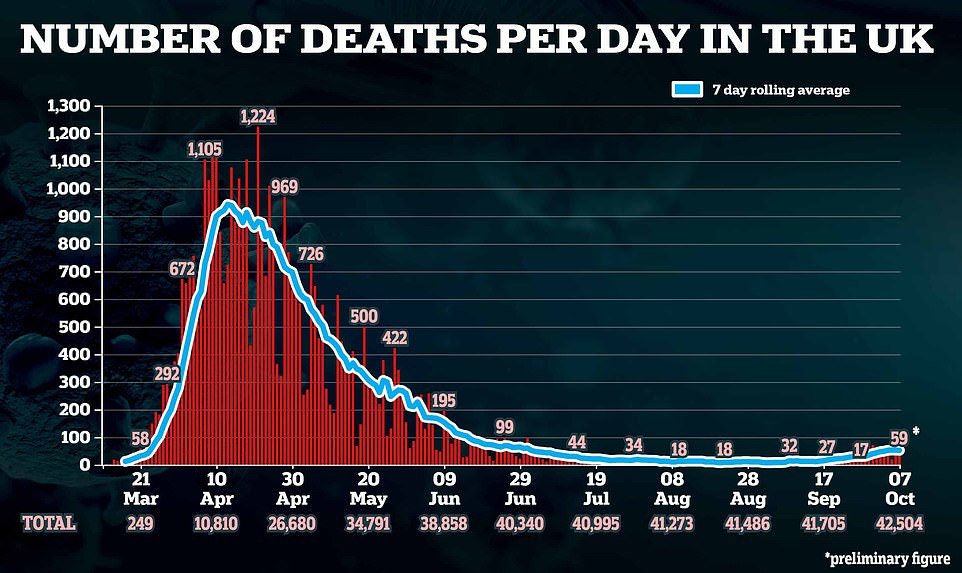
Deaths from coronavirus across the UK have continued to rise since mid-September. On Monday the average number of daily deaths surged by 46 per cent, reaching 53-a-day, the highest number since the end of June.
Health bosses have also been reporting a surge in cases, with the UK recording a further 14,542 new infections yesterday, as tightened restrictions across the North West and North East attempt to put the brakes on the rise in infections.
Hospitalisations from coronavirus in England have also risen, with 478 new admissions reported on Sunday as the weekly rolling average rises by 34 per cent. The number of people needing a ventilator increased to 393 on Monday, a 40 per cent rise in the rolling average.
As infections continue to rise across the UK, Nicola Sturgeon is expected to announce tighter lockdown restrictions in Scotland in a move that may bounce the Prime Minister into imposing more restrictions across the UK.
The First Minister used a statement to Holyrood to unveil a dramatic 'circuit breaker' squeeze to coincide with the school half-term north of the border.
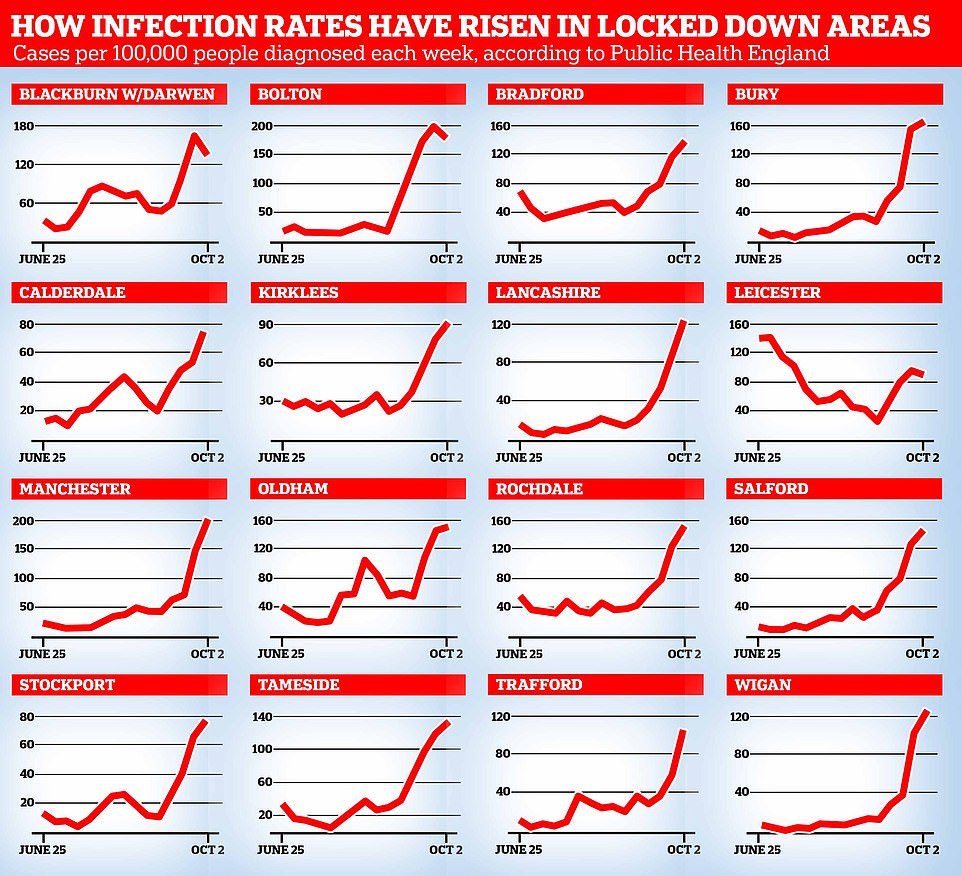
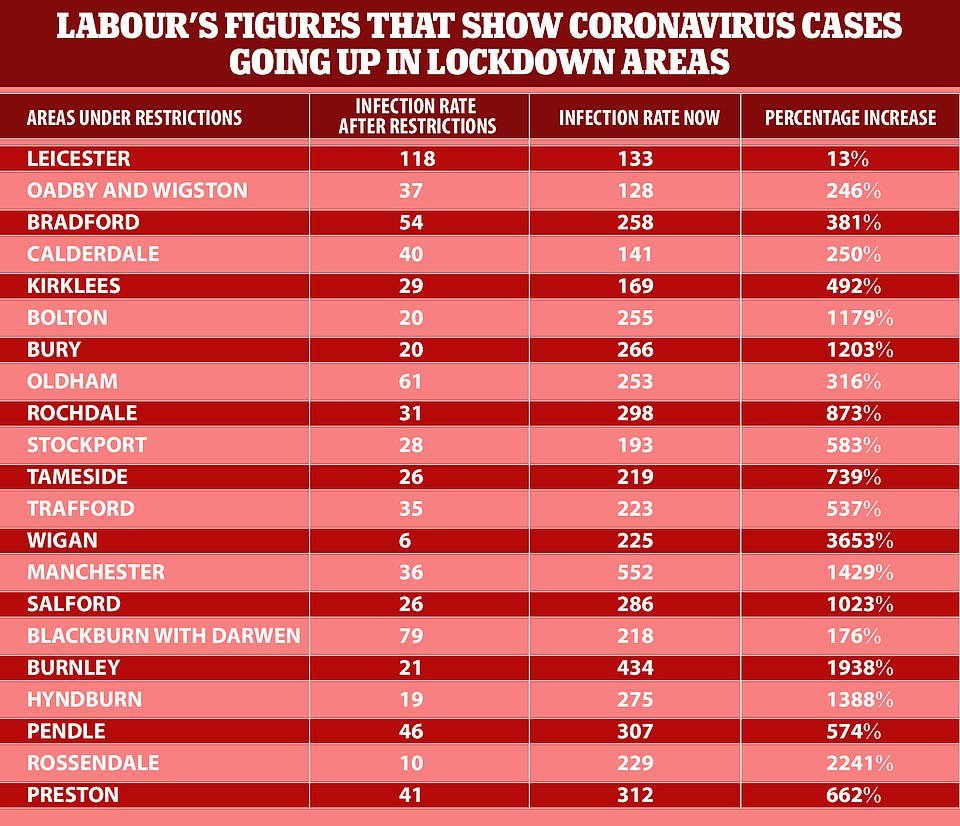
The Prime Minister was confronted with damning statistics this afternoon which revealed tightened local restrictions have failed to curb the spread of coronavirus across the North of England, while ministers and advisers face mounting questions over what action they will take next.
At a stormy PMQs session, Mr Johnson stressed the impact of the surge was being felt worst in the North, saying that showed the Government's mix of tough local lockdowns and national restrictions like the Rule of Six and the 10pm pubs curfew was the right one.
The backing for 'differentiated' measures in England suggests that the premier is still resisting pressure from scientists for a blanket crackdown - in an apparent boost for Cabinet ministers alarmed over the threat to millions of jobs and civil liberties.
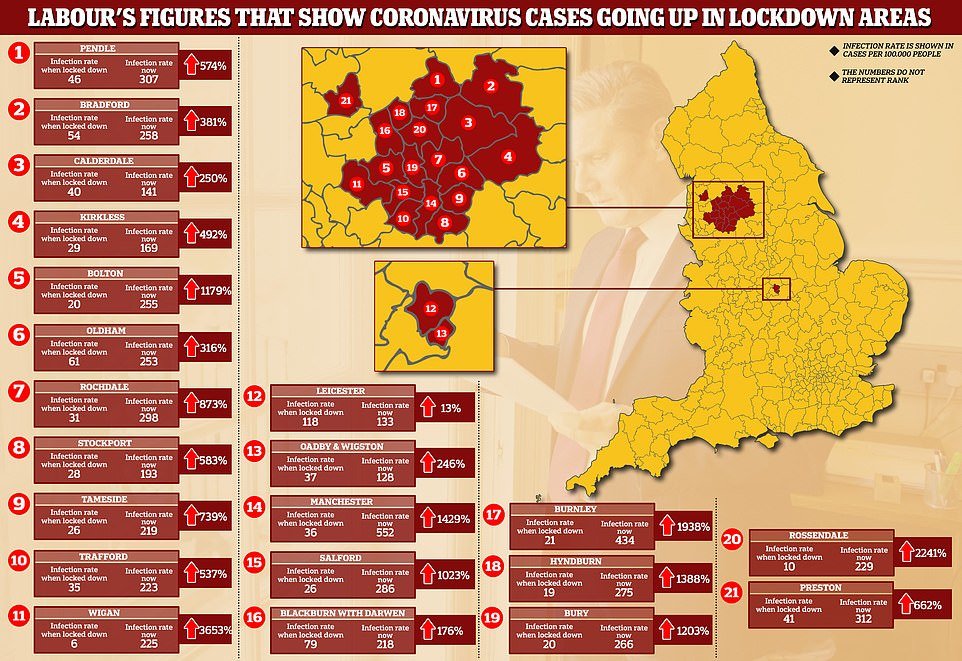
But Labour leader Keir Starmer launched a furious attack on Mr Johnson in the Commons, saying 19 out of 20 areas subjected to local curbs over the past two months have actually seen infections rise. He insisted that the measures were 'not working', and singled out the controversial 10pm curfew on pubs saying the government had failed to provide any 'scientific basis'.
As chaotic infighting threatened to engulf the government, allies of Chancellor Rishi Sunak, regarded as the leading 'hawk' on the need to protect the economy, today denied claims he has been trying to shut 'dove' Michael Gove out of decisions on what areas will be subject to the most draconian restrictions. The wrangling is believed to be holding up the announcement of a new three-tier 'traffic light' system, intended to clear up confusion about what rules apply where in England.
In bruising clashes with Sir Keir, Mr Johnson seemed to close off the possibility of an imminent national clampdown.
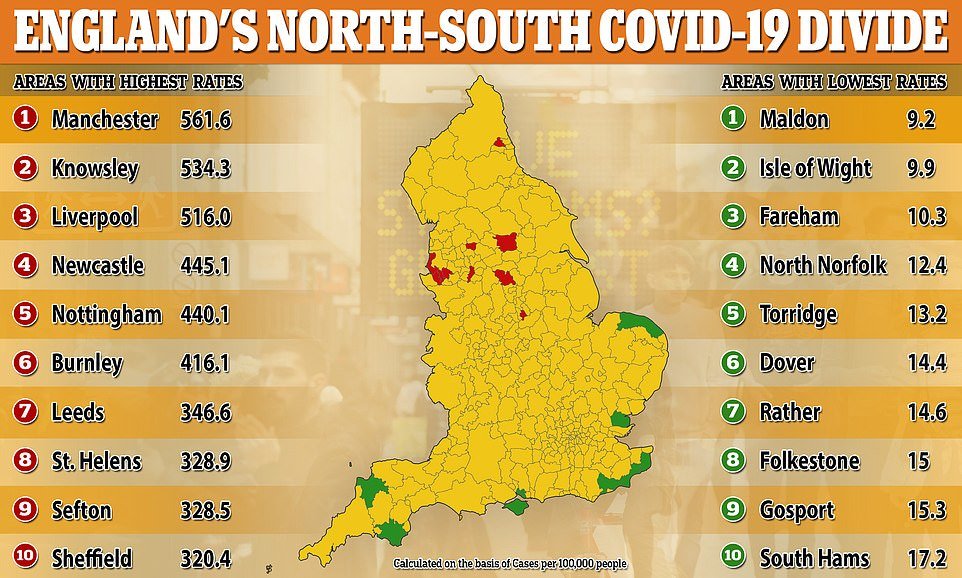
'Although the cases in the country are considerably up across the country this week on last week, the seven-day statistics show that there are now 497 cases per 100,000 in Liverpool, 522 cases per 100,000 in Manchester, 422 in Newcastle,' he said.
'The key point there is the local regional approach combined with the national approach remains correct because two-thirds of those admitted into hospital on Sunday were in the North West, North East and Yorkshire.'
But Sir Keir unleashed a tirade, pointing out that the government's local lockdown were clearly 'not working'.
'On care homes, protective equipment, exams, testing. The Prime Minister ignores the warning signs, hurtles towards a car crash, then looks in the rear mirror, says 'what's all that about?' he said.
'It's quite literally Government in hindsight.'
Sir Keir added: 'All the Prime Minister has to say is it is too early to say if restrictions are working but it's obvious that something's gone wrong here, so what's the Prime Minister going to do about it?'
The Labour leader pointed out that in Mr Johnson's own local authority, Hillingdon, there were currently 62 cases per 100,000, and no local restrictions.
'But in 20 local areas across England, restrictions were imposed when infection rates were much lower. In Kirklees it was just 29 per 100,000,' he said.
'Local communities, Prime Minister, genuinely don't understand these differences. Can he please explain for them?'
Mr Johnson replied: 'I wish I could pretend that everything was going to be rosy in the Midlands or indeed in London where, alas, we are also seeing infections rise.
'That is why we need a concerted national effort, we need to follow the guidance, we need hands, face, space, get a test if you have symptoms and obey the Rule of Six.'
Sir Keir insisted that he does support the Government's Rule of Six.
But he struck a starkly different tone on whether Labour will support the England-wide 10pm curfew on bars and restaurants, which critics say is causing more harm than good as revellers merely spill out on to the streets.
'The Prime Minister can't explain why an area goes into restriction, he can't explain what the different restrictions are, he can't explain how restrictions end – this is getting ridiculous,' Sir Keir said.
'Next week, this House will vote on whether to approve the 10pm rule. The Prime Minister knows that there are deeply-held views across the country in different ways on this. One question is now screaming out: is there a scientific basis for the 10pm rule?'
Mr Johnson shot back: 'The basis on which we set out the curtailment of hospitality was the basis on which he accepted it two weeks ago – that is to reduce the spread of the virus and that is our objective.'
As cases continue to mount Scotland is reportedly facing the prospect of even tighter restrictions across the nation. Nicola Sturgeon is set to unveil a dramatic squeeze this afternoon, expected to include swingeing curbs on the hospitality sector and local travel.
The move - which she has stressed will not amount to a full lockdown as happened in March - comes after the First Minister received 'very strong' advice about the need to respond to a surge in infections.
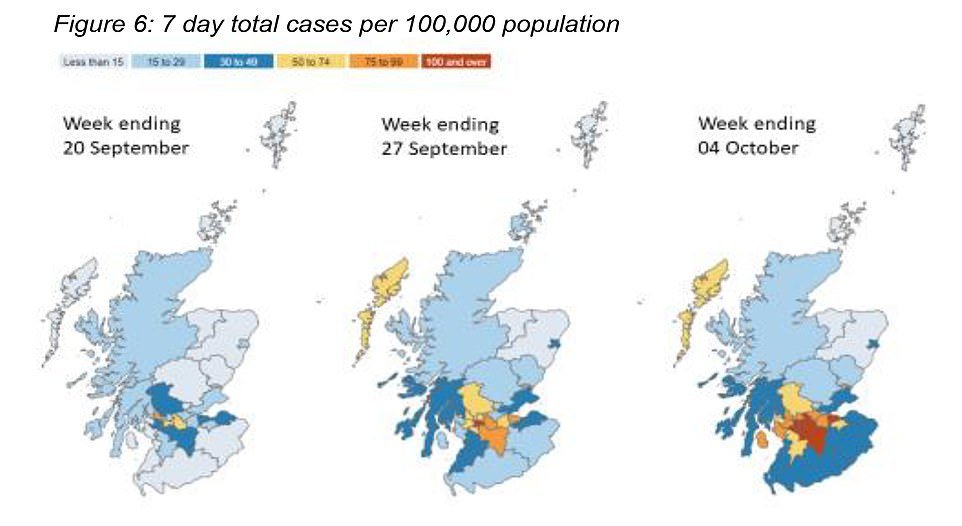
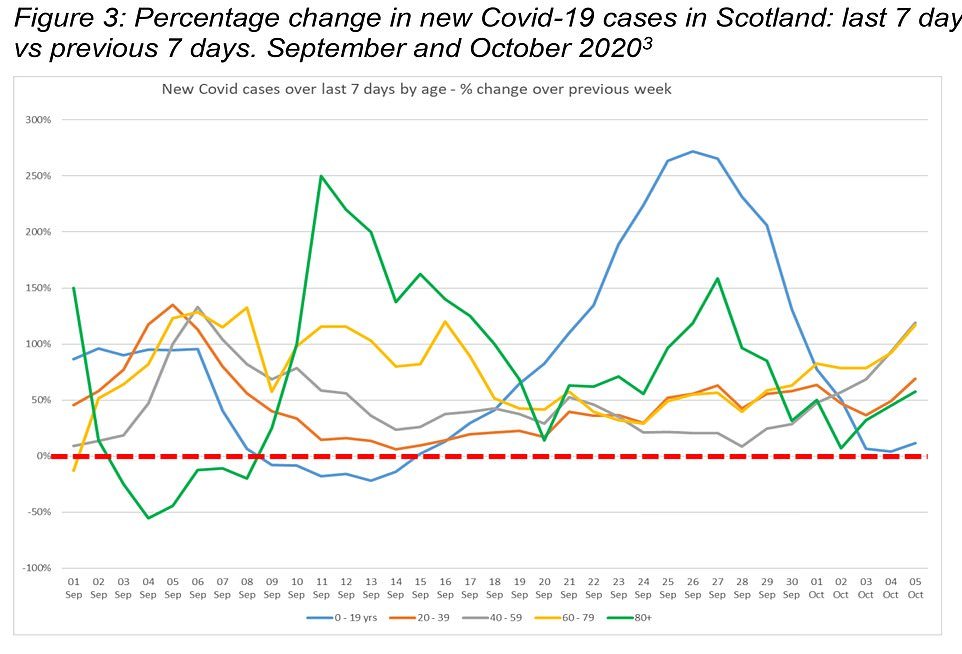
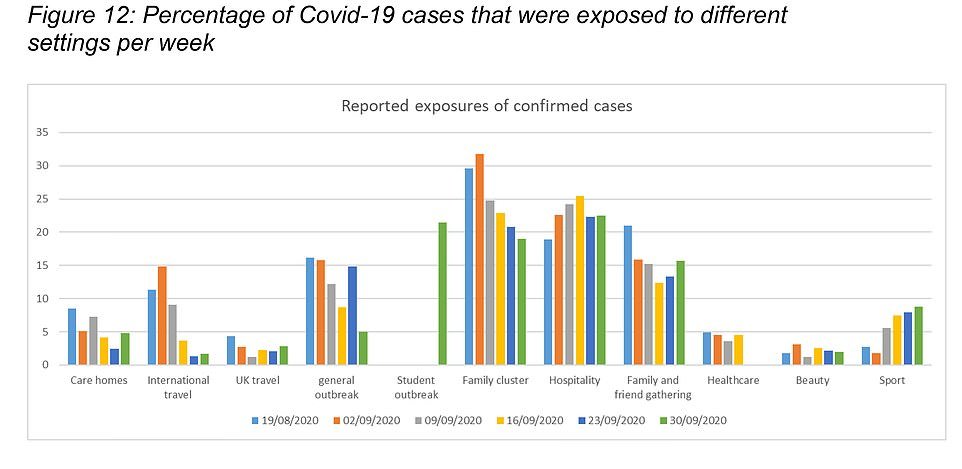
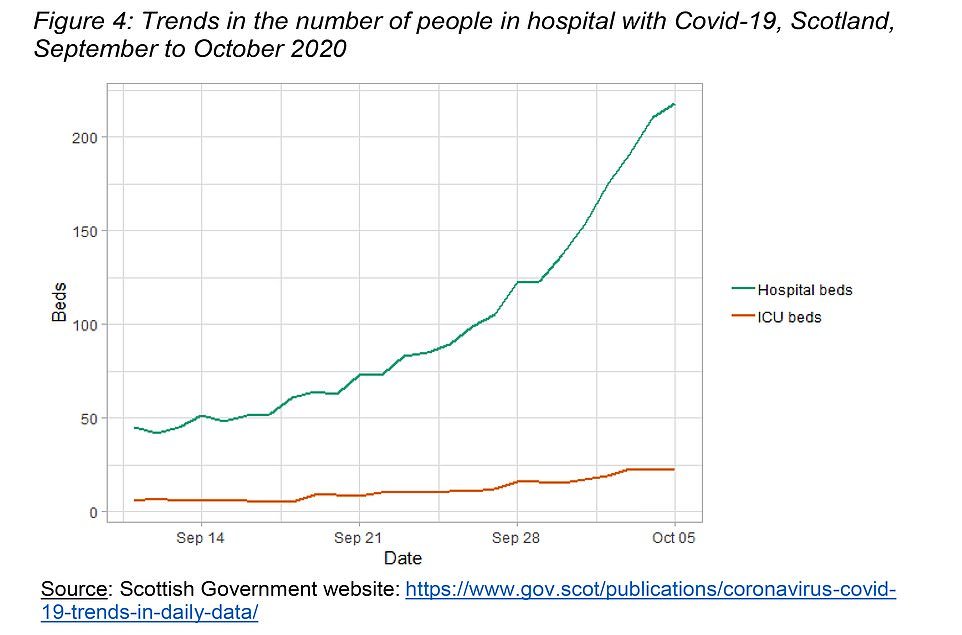
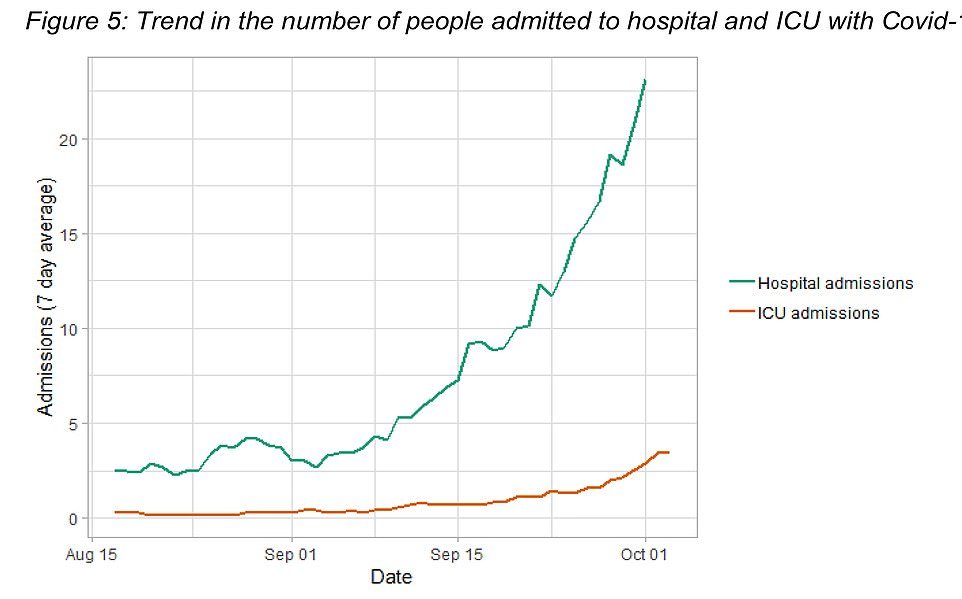
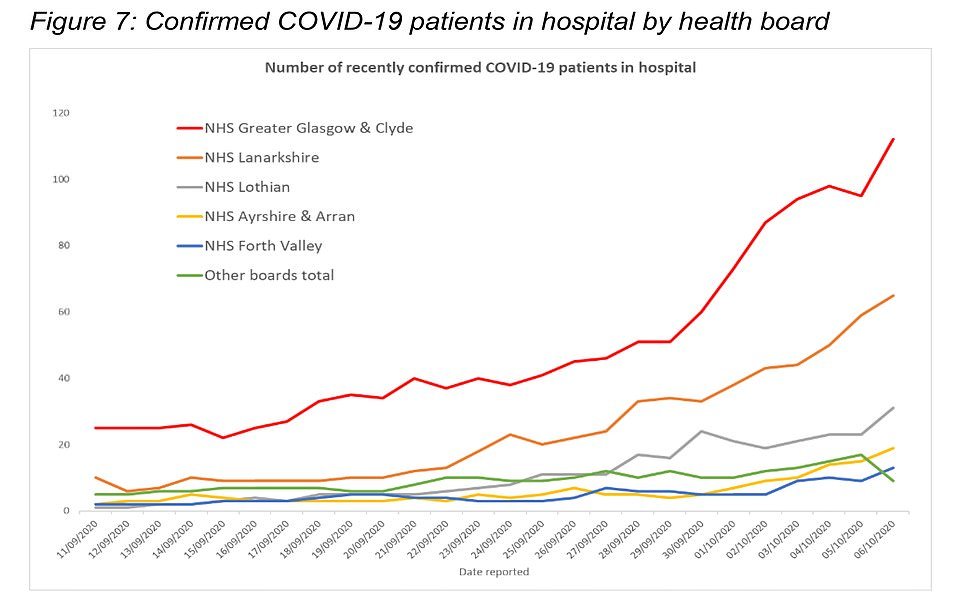
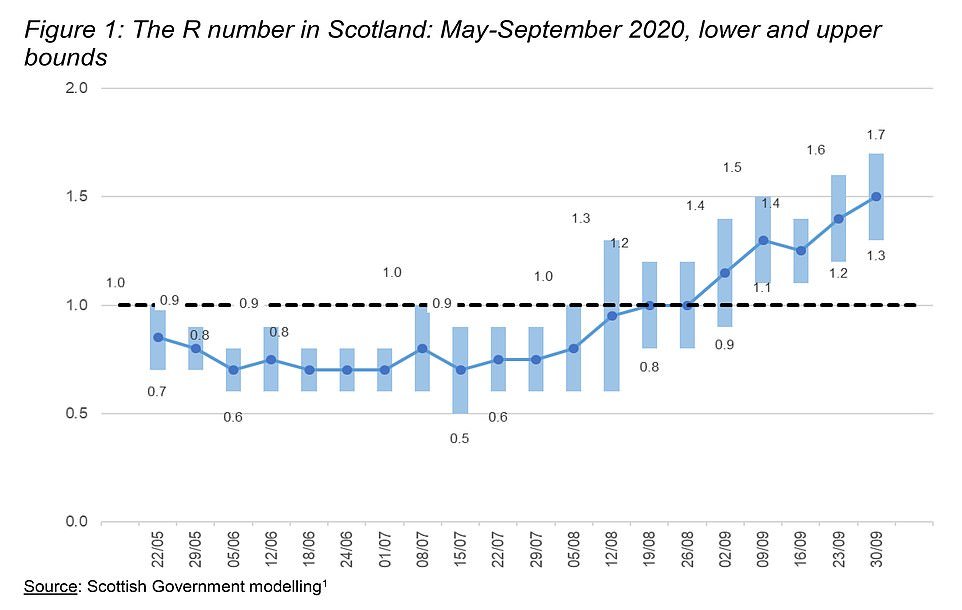
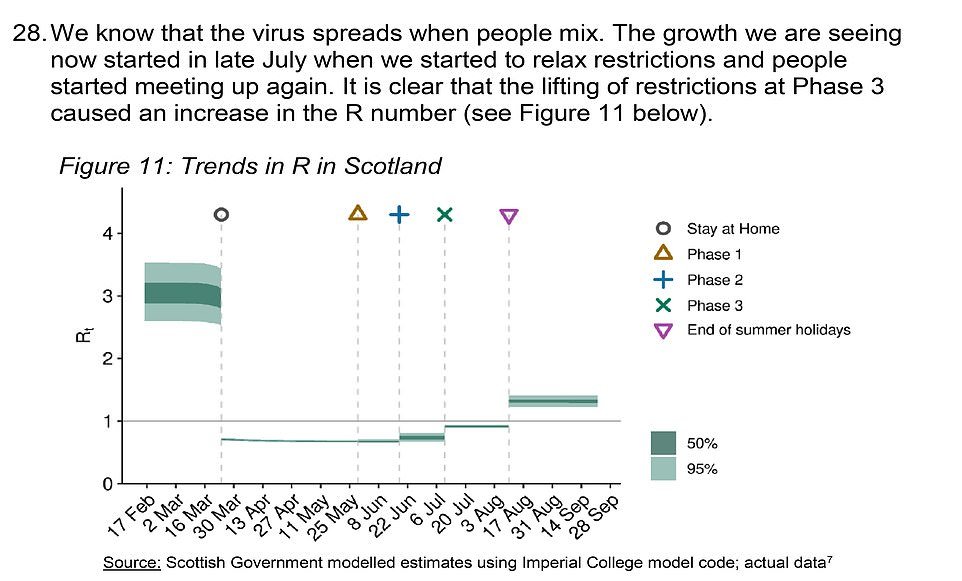
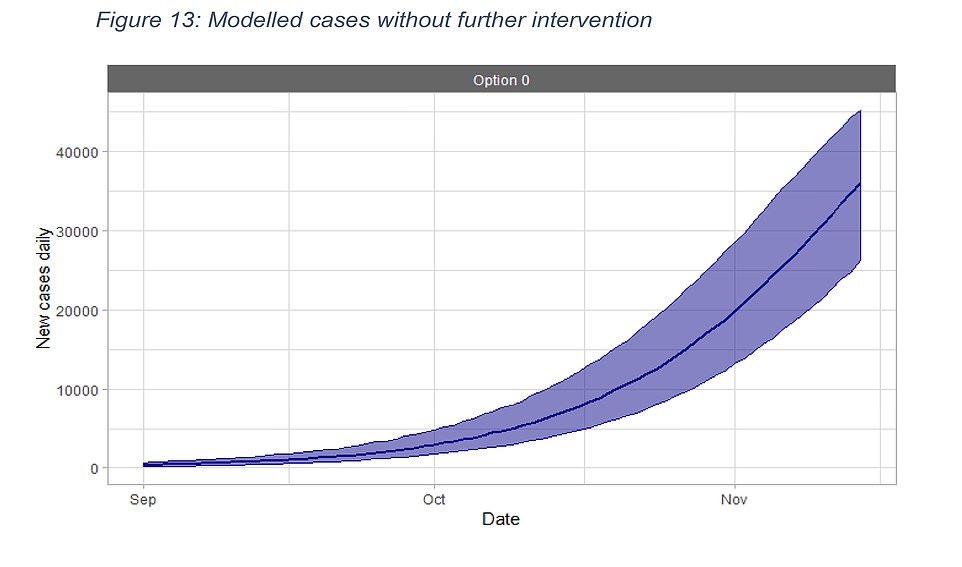
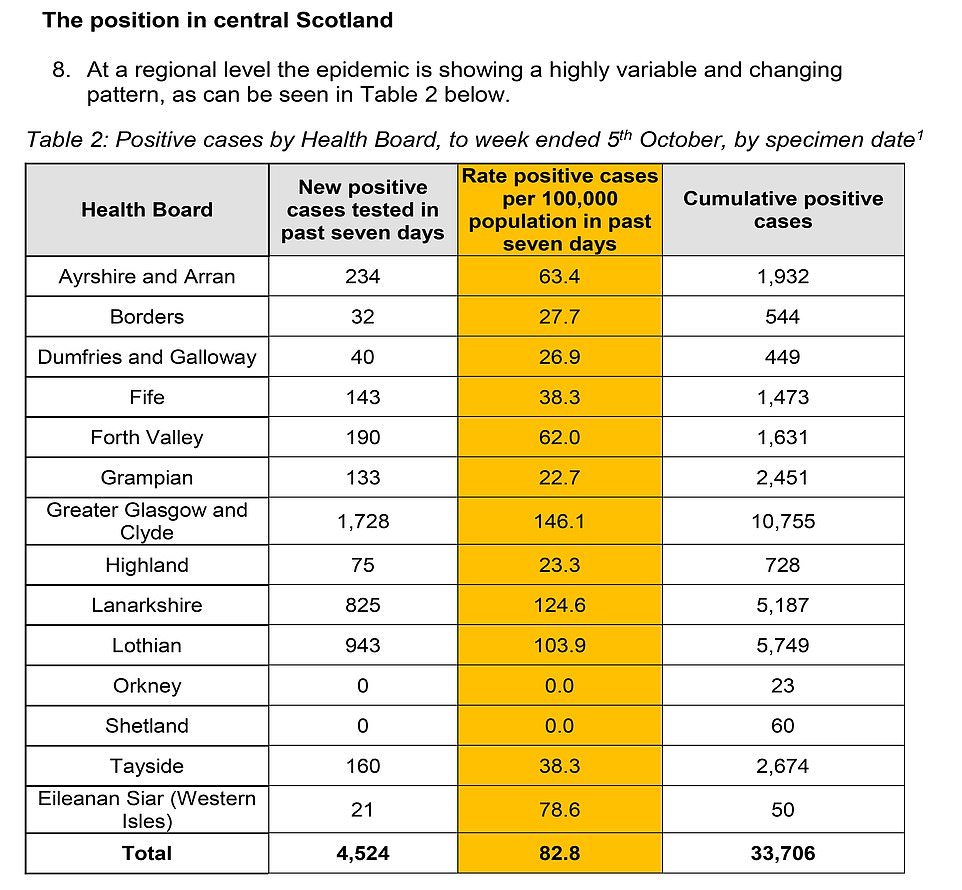
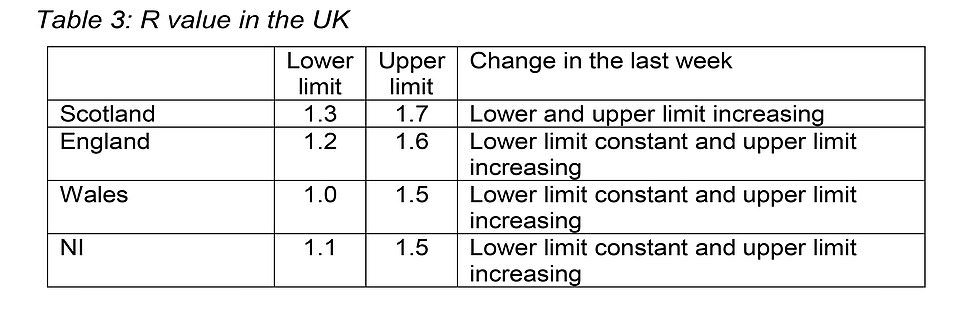
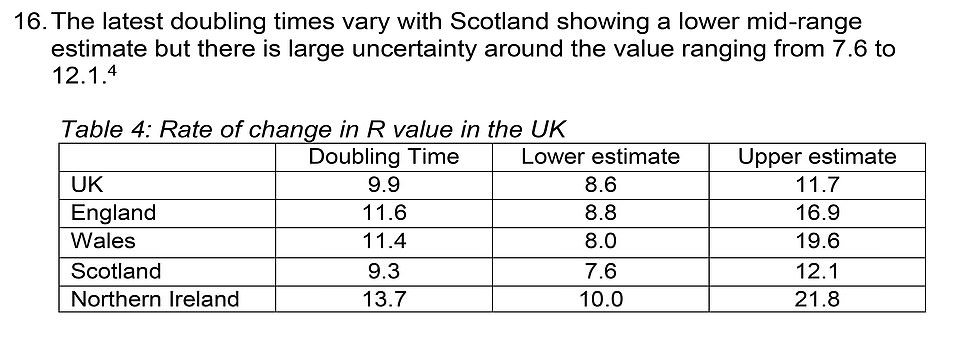
At her daily briefing yesterday, Ms Sturgeon said Infections were beginning to spread from younger sections of the population to older age groups. The average number of daily cases has risen from 285 two weeks ago – when a ban on households mixing indoors was introduced – to 729.
The First Minister has described the situation as 'the most difficult decision point we have faced so far'.
However, the closure of schools has been ruled out, as have Scotland-wide travel restrictions.
There will be no requirement for people to stay inside their homes most of the time, as was the case in March, though some additional measures in 'hotspot' areas might be necessary.